When a Regional Military Medical Commission Can Overrule a Permanent Unfitness Decision.

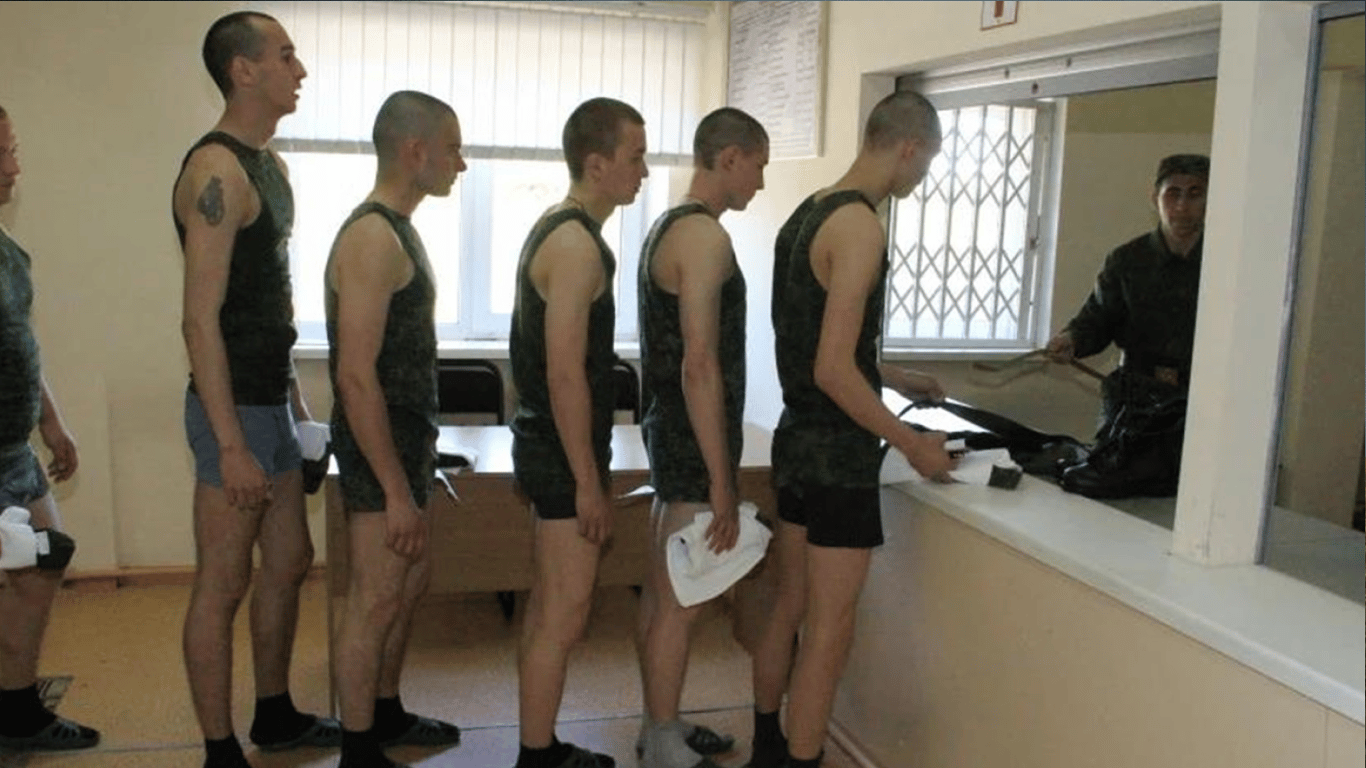
How Military Medical Commissions Work in Ukraine
According to Novyny.live: In Ukraine, a regional Military Medical Commission (MMC) has the authority to reject a primary MMC's finding of unfitness for service if it determines that the course of the disease is atypical. This occurred in the case of a man who was initially declared unfit under Article 40a. His case was sent to the regional commission for approval, but one month later, the decision was marked as “not approved.”
Under Ukraine’s Ministry of Defense Order No. 402, stable angina pectoris of functional class III–IV qualifies as grounds for unfitness. However, the regional MMC may refuse to endorse the primary commission’s ruling if it suspects an unusual clinical picture. As Vladyslav Deriy explains,
“The reason you were turned away the first time is that the regional MMC can refuse to approve the district MMC’s decision if it sees an atypical presentation.”
Why Thorough Medical Evaluations Matter
The regional commission must review the discharge summary from the M.D. Strazhesko Institute of Cardiology and document the conscript’s condition after surgery before making a final determination on fitness. After the medical examination, the MMC has five days to issue its decision. Yet, even if unfitness is confirmed, the individual will not be granted the status of “removed from military registration.”
This means that the process of being declared unfit for service can become complicated when a regional commission overrules the initial finding. The situation highlights the need for a careful review of medical records and the patient’s actual health status—especially in cases involving serious conditions like angina.
The case illustrates how Ukraine’s military medical procedures can involve multiple layers of review, where decisions may be overturned at higher levels. Accurately assessing a conscript’s medical condition is critical, as it directly affects their legal status and eligibility to serve. A systematic approach to medical evaluations could help prevent such complications in the future.
Read also
- Beating the Heat in Ukraine: A Doctor’s Guide to Hydration and the Best Clothing Choices
- No Solar Flares Expected on June 24: Magnetic Storm and Solar Activity Forecast
- How Ukrainian Men Liable for Military Service Can Be Removed from the Registry Due to Illness
- How to Appeal a Fitness-for-Duty Ruling When a Military Medical Board Fails to Offer Surgery
- Up to a Year of Waiting: How Ukraine’s Military Medical Boards Delay Illness Certificate Approvals for Conscripts
- Spider Mites Threaten Raspberry Crops: Immediate Treatment Needed to Protect Berries