Americans are fleeing smartphones: what they offer instead of digital detox.

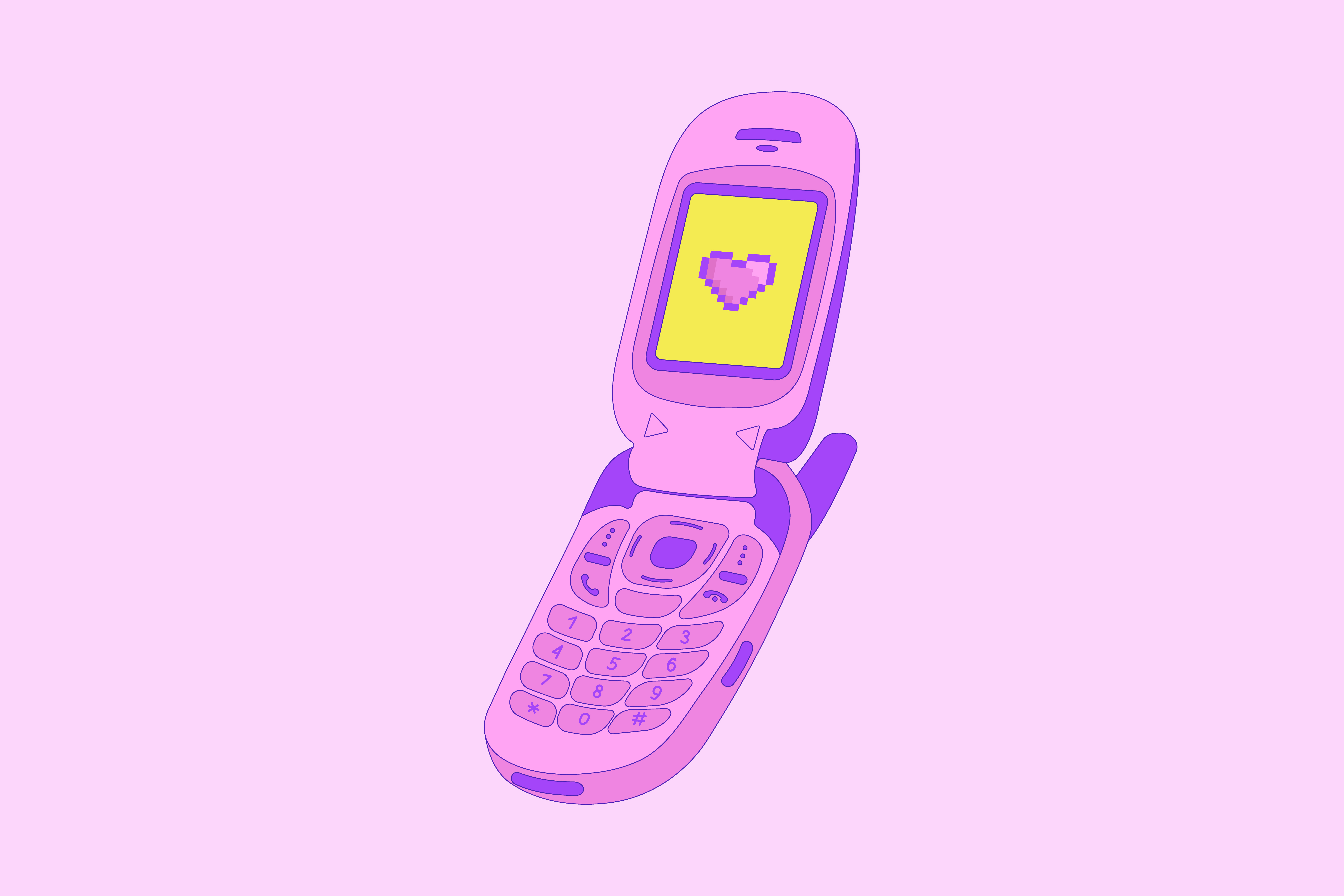
According to Vox: In recent months, the mysterious company Dumb and Co. has been trying to convince people in Washington to give up smartphones for a month. This is part of a project called Month Offline, where participants receive a flip phone and access to a support group to discuss algorithms, 'palm scrolling,' and why smartphones make us so lonely.
This is not just another digital detox course. Rather, it is a fashionable social club. The main location is Hush Harbor, the first phone-free bar in Washington. To join, you first need to call a toll-free number and leave a voicemail.
This local movement is quickly becoming national. Now there is a website that allows you to join the program from anywhere in the U.S. For $100, you get a Dumbphone 1, essentially a TCL flip phone; a new phone number with area code 404, and a curriculum that supports participants throughout the month. Weekly radio shows, which replace in-person meetings, are also available. This entire initiative evokes nostalgia, similar to a revival of CDs or a return of compact digital cameras. The idea of technology that performs one function and doesn't distract us from what's important is certainly appealing.
“The phone definitely amplifies some of our unique tendencies,” said Grant Bezner, one of the co-founders of Month Offline. “Just its replacement, even for a little while, and the need to be alone with your thoughts to feel boredom, can be transformational and truly positive in a person's life.”
Month Offline is part of a new generation of solutions in a smartphone-saturated world. These include carefully crafted alternatives like the Light Phone 3. There is also the Brick — a magnet with NFC that blocks access to certain apps when the phone touches it. Many apps, such as Freedom, One Sec, or Forest, aim to achieve similar goals. The main concept is that a short break from your phone won’t change your habits in the long term. You need to learn to be more mindful in your phone usage.
“This is AA for smartphones”
I learned about Month Offline from Brittany Shammas, a Washington Post reporter who participated in one of the groups in Washington and wrote about her experience. It was striking that people were looking for not just a break from their phones. They sought community and connection.
“It really had elements that made you feel it was a support group,” Shammas told me. “People in the group sometimes said, ‘This is AA for smartphones.’”
After talking to several participants in the Month Offline program, it became clear that some genuinely wanted to switch to a flip phone, while others just needed a break from their iPhones. One participant, Lydia Peabody, shared that she gave up her smartphone for a month due to mental health issues and 'scrolling' through her life. Afterwards, switching to a flip phone changed everything.
“I didn't know life could be like this,” said Peabody, who now works for Month Offline. “I didn't even know I could exist in this kind of life.”
For those who don’t want to participate in the Month Offline challenge, the organizers offer the option of renting a Dumbphone 1 for $25 a month, with a new number and mobile connection. They also developed the Dumb Down app, which makes it easier to sync calls and messages between iPhone and flip phones. Even without a support group, switching to a flip phone can strengthen your relationships and improve your focus.
Digital detoxes work
Throughout the existence of smartphones, programs have been created to help us stop using them. More than ten years ago, you could spend big money to participate in Camp Grounded, an adult summer camp in California where digital devices were banned. The Digital Detox organization inspired groups worldwide to help people disconnect. For instance, the Offline Club conducts phone-free events and retreats across Europe. Every year, the Global Day of Unplugging festival occurs on the first weekend of March, sponsored by Verizon.
What was once trendy in the wellness space is rapidly transforming into a mass social movement. After Jean Twenge’s article “Have Smartphones Destroyed a Generation?” in The Atlantic in 2017, recognition that technology use is causing a mental health crisis among youth has become increasingly popular. The situation worsened after reports from the Wall Street Journal about Instagram's harmful effects on teenagers. At the end of 2020, the 'Wait Until 8th' initiative appeared, suggesting not giving children smartphones until they are 13, and some families even hired consultants to help their children break the smartphone habit. Then came the pandemic, when people's lives became even more dependent on screens.
Today, banning phones in schools has become an important legislative priority. Florida was the first to ban phones in classrooms in 2024, and now 35 states have laws or regulations regarding limiting or banning phones in schools. This could have irreversible effects on education, as in one Kentucky school district, the ban correlates with an increase in the number of books checked out from libraries.
It’s worth considering what a ban on phones in educational institutions might look like for adults. More than half of adults in the U.S. are concerned about their smartphone dependency, according to a 2024 Harris Poll survey, but hardly anyone wants to get rid of them. Spending weekends on a digital detox retreat could be a pleasant experience, and research shows that such interventions can significantly reduce smartphone usage time after the program concludes. Undoubtedly, time spent away from social media positively impacts mental health.
“Overall, there is now evidence that digital detox can actually work,” said Kostadin Kushlev, an associate professor of psychology at Georgetown, who leads the Digital Well-being and Happiness Lab. “But much of the research still focuses on quitting one function, like social media,” Kushlev added.
Let me confess: I did not undergo Month Offline. I couldn't last a week using only the Light Phone 3. The reason is that this is not the best time for me to sort out my digital life. Even though the organizers of Month Offline made the process easier, switching to a flip phone turned out to be challenging.
But I got a Brick. Every time I want to stop myself from mindlessly scrolling Reddit in the evening, I just touch my phone to a little gray square, and the app stops working. To activate it again, I need to walk away, cross the apartment, and touch it again. It sounds simple, but it helps me break out of my normal routine. And that’s enough right now to make me feel present.
A version of this story was also published in the User Friendly newsletter.
Subscribe here
to not miss the next issue!
Read also
- Your Ultimate Guide to Choosing the Perfect Summer T-Shirt: Fabric and Neckline Tips
- Egg-Free Kefir Pancakes: A Simple Recipe with a Dough Secret
- White Acacia Kvass: A Step-by-Step Guide from Klopotenko
- A 30-Minute No-Bake Lemon Dessert: Easy Recipe with Everyday Ingredients
- Easy Pickled Tomatoes for Winter: The Perfect Brine Recipe Using 1 Liter of Water
- A 15-Minute Dinner That Feels Like a Feast: Carbonara-Style Potatoes with Bacon and Cream Sauce