UK Budget: what new taxes will the government introduce and who will pay more.

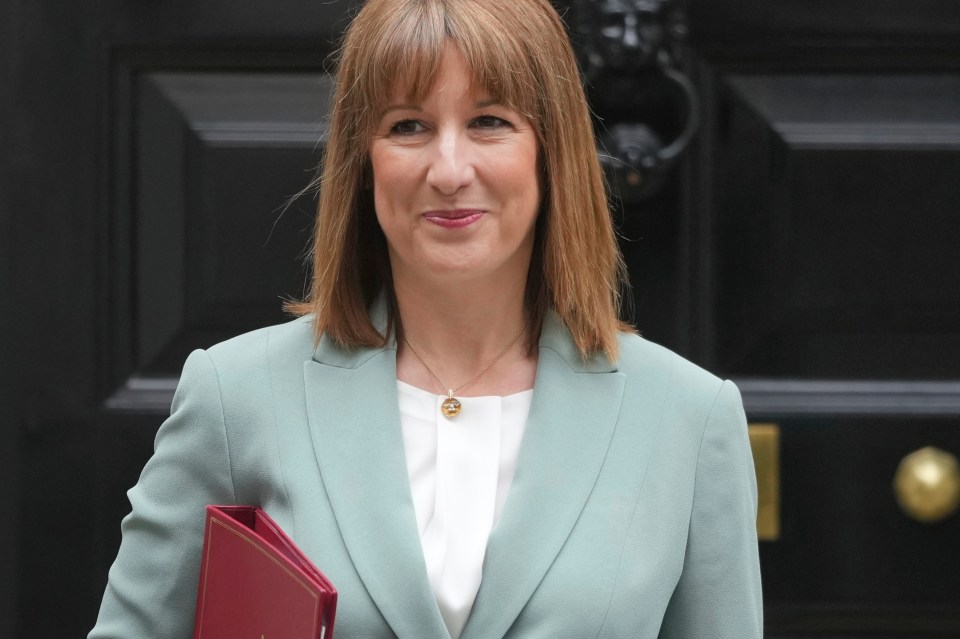
According to The Sun: Millions of people may feel changes in taxes after the autumn budget.
Chancellor Rachel Reeves is faced with serious decisions, as £50 billion needs to be raised to support the economy.
APChancellor Rachel Reeves will present her autumn budget at the end of November.To raise the necessary funds, tax increases are likely to be required.
However, the Labour Party has promised not to raise taxes on working individuals, so the Chancellor has few options left.
Proposed changes may relate to council tax, capital gains tax, and property tax.
The autumn budget will be announced on November 26, when all planned changes will be disclosed.
Even without increases in income tax, national insurance, or VAT, working individuals may feel the impact of the reforms.
Find out how this could affect you and what you can do now to protect your finances.
Council Tax
One option is to replace council tax with a local property tax.
This change would require a complete reorganization of the council tax system, which has been in place since 1993.
Council tax is an annual contribution paid to local authorities to fund services such as road maintenance and school upkeep.
The amount you pay depends on the location of your residence and the value of your home.
Discussion of council tax reforms has taken place following the bankruptcy of several local authorities, but a complete reform could take years.
Therefore, these reforms may not materialize in this parliamentary session.
Inheritance Tax
Reeves is considering changes to inheritance tax.
This could include restrictions for parents wishing to make tax-free gifts to their children by setting a limit on the value of gifts.
Under current rules, you can gift an unlimited amount of money and assets without incurring tax if you do so seven years before your death.
If you give money and die within seven years, tax is charged at a reduced rate.
Changes to inheritance tax could raise millions for the budget, but experts warn that this could lead to 'fundamental changes in wealth transfer within families.'
Reduction of Cash ISA Limits
This year there have been rumors about the government's plans to cut the annual tax-free limit for Cash ISAs.
Currently, savers can hold £20,000 in ISAs tax-free, and this limit can be split between Cash ISAs and Stocks and Shares ISAs.
Although plans to limit the cash portion of the limit have been temporarily shelved, they have not been canceled, so they may be revived in the budget.
Property Transaction Tax
There are rumors that the Chancellor is considering replacing the existing threshold tax with a new property tax.
Under new plans, there would be an annual charge of 0.54% on properties valued over £500,000.
A house worth over £1 million would pay 0.81% on the portion of the value exceeding the threshold.
This would replace the current transaction tax thresholds, which depend on the value of your property.
Currently, homes valued up to £125,000 are exempt from tax, while properties in the price range from £125,001 to £250,000 are taxed at 2%. Rates rise to 5% for homes valued between £250,001 and £925,000.
The government has not yet confirmed the implementation of these proposals, but has not rejected them either.
It is known that the changes will only affect property owners who purchase homes after the new tax is introduced.
Pensions
The Chancellor may also consider limiting the tax relief on pensions.
Possible changes could include reducing relief for higher-rate taxpayers or abolishing popular 'salary sacrifice' schemes.
Experts warn that such changes could be politically risky and have serious impacts on working families and public servants.
Currently, taxpayers receive relief on any money they contribute to their pension fund, depending on their tax bracket.
For basic-rate taxpayers, relief is 20%, but for higher-rate payers — 40%, or 45% for additional-rate taxpayers.
This means the system is currently more beneficial for the wealthy, as they pay more taxes.
However, it has been reported that the Chancellor may introduce a flat rate of tax relief.
This would reduce the amounts that higher- and additional-rate taxpayers receive, but could also affect workers such as teachers and nurses who have more modest incomes.
Changes may not be implemented immediately, so in the short term, they are unlikely to provide the necessary funds.
National Insurance on Renters
Times reports that Reeves is considering applying national insurance to rental income for landlords.
Currently, rents are mostly exempt from national insurance, but there are proposals to charge the same rate of 8% as with the self-employed.
This move could bring in about £2.3 billion per year.
Capital Gains Tax
High-value homeowners may also fall under capital gains tax when selling their homes.
Rachel Reeves, according to sources, is considering abolishing the exemption from capital gains tax for private residential properties.
This would mean that properties valued above a certain amount would be taxable.
Higher-rate taxpayers would pay 24% on the profit, while basic-rate taxpayers would pay 18%, according to Times.
If a threshold of £1.5 million is introduced, it would affect about 120,000 homeowners.
They could receive a bill of £200,000 when trying to sell their homes.
What You Should Do Now
It is important to emphasize that none of these changes are yet confirmed.
They have also not been dismissed, and we likely won’t know for sure until the autumn budget is announced in November.
You should not make decisions based on speculation regarding the budget.
When and if changes are announced, you can decide how to act to avoid financial losses.
For instance, if changes to transaction tax are implemented, you might consider moving to a new home before that deadline to avoid the tax.
And if the government decides to impose capital gains tax on pricier properties, you could look for less expensive housing before the changes take effect.
Most of the proposed ideas will only affect the very wealthy, so tax changes may not impact you.
If you are concerned about this issue, here are several options you can consider...
Seek Financial Advice
If you are worried about your finances, consult a financial advisor.
They can provide advice regarding your situation and explain whether any of these measures will affect you.
You can find such an advisor at unbiased.co.uk — remember that their services are fee-based.
Make a Will
It is important to plan for the future by making a will, ensuring your money goes to the right places.
If you die without a will, your estate may face high inheritance tax.
This is especially relevant for couples who are not married, as unmarried partners do not inherit automatically.
Learn how to make a will in our guide.
Review Your Finances
It is advisable to periodically review your financial matters and create a plan.
Identify all your expenses and incomes, and consider any changes such as rising bills or new sources of income.
Think about how to use your money most effectively: is it more important to pay off debts or save for a deposit on a home?
Our guide on reducing tax payments legally can help avoid overpayments.
Do you have financial issues that need resolving? Contact us at [email protected].
Join our Sun Money Chats and Tips group on Facebook to share advice and stories.
Read also
- Ukraine Disrupts Russia’s Largest Oil Refinery and Targets Shadow Fleet: Escalating Pressure on Moscow’s Energy Sector
- Russia’s Oil Exports Hit Record Highs, but Revenues Shrink as Urals Prices Plummet
- Fuel Shortage Drives Record Search Spike: Russians Desperately Google 'How to Make Gasoline'
- Strike on Russia’s Largest Oil Refinery Raises Fears of Fuel Shortages
- Ukrainian drones halt Russia's largest oil refinery, worsening gasoline shortages
- Over 1,000 New Weapons Systems Fielded by Ukraine, with 90% Domestically Produced