Kuwait Battles 54°C Heat: How the Hottest City in the World Survives.

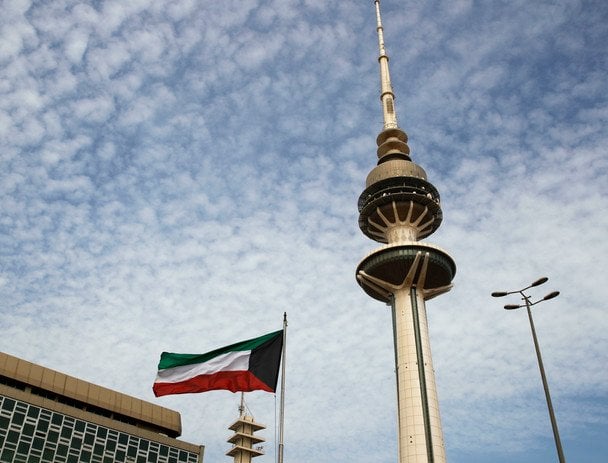
Kuwait Faces the Consequences of Extreme Warming
According to ТСН: Kuwait, known as the hottest city in the world, is facing serious consequences of global warming. Temperatures here often exceed 50°C, and the record high of 54°C, recorded in July 2016, has become one of the highest in history.
Previously, Kuwait was famous for its thriving fishing trade and lively coastline, earning the nickname 'Marseille of the Persian Gulf.' But today, the city grapples with the harsh reality of scorching temperatures that make even the strongest heatwaves in Europe seem mild.
Abnormal temperatures are already leading to alarming consequences for the environment. There is a noticeable decline in dead birds and the death of marine life, including seahorses, in the heated waters of the Gulf. Even resilient city birds are seeking shelter from the blazing sun. Scientific data indicates a decrease in annual rainfall, leading to more frequent and intense dust storms.
Temperatures above 50°C pose a serious threat to human health, exceeding the normal body temperature, which can lead to heat exhaustion, cardiovascular diseases, or even death with prolonged exposure. Therefore, being outdoors during the day in summer becomes dangerous.
The authorities in Kuwait are responding to these extreme conditions with a series of measures. This year, for instance, night-time funerals have been permitted when the heat is less intense. Many residents avoid being outdoors, preferring air-conditioned spaces. This has led to the construction of specialized infrastructure, including covered shopping streets in a European style that provide shelter from the heat.
According to 2020 studies, about 67% of the electricity consumed by Kuwaiti households is used for air conditioning. The state heavily subsidizes electricity and water, particularly that which is produced in energy-intensive desalination plants, reducing the motivation to cut consumption.
Despite the challenging conditions, life in the city continues. About 70% of Kuwait's population consists of migrant workers, most of whom work in construction and service sectors. They move around crowded buses and sidewalks even on hot days. Studies indicate increased health risks for this population group due to abnormal temperatures.
Forecasts suggest that by the end of the century, the average temperature in the region could increase by another 5.5°C. In 2021, Kuwait experienced more than 19 days with temperatures above 50°C, and this figure is likely to increase in the future. Without active climate measures, heat-related mortality could rise from 5.1% to 11.7% among the entire population and reach about 15% among non-citizens.
Ecologists emphasize that Kuwait has one of the largest carbon footprints in the region, second only to Bahrain and Qatar. At the COP26 climate summit, the country proclaimed its intention to reduce emissions by 7.4% by 2035, but energy consumption is likely to triple due to massive air conditioning use. Experts warn that without systemic changes, Kuwait risks facing further deterioration of living conditions and serious environmental challenges.
In one of the hottest places on the planet, where life seems impossible, scientists have found a unique plant that not only survives but starts to grow faster in the hellish heat.
Thus, Kuwait finds itself at the epicenter of problems related to global warming. The situation is exacerbated not only by extreme temperatures but also by health challenges for the population that can have lasting effects not only on people but also on the environment. Urgent action is needed to prevent further deterioration of the situation and to ensure the safety and well-being of residents in this region.
Read also
- Former CIA Officer Forecasts Ukraine’s Gains by Autumn: What Lies Ahead for Russia’s Military
- Trump Orders Military Strikes on Iran: What We Know About the Operation
- The 1918 World War: Historical Parallels and a Forecast for the Conflict in Ukraine
- Helicopter Down: Trump Warns of More Strikes After US and Iran Exchange Fire
- Ukrainian Outlets UATV and The Gaze Hit Record 42.5 Million Views in May
- Russian Forces Push to Isolate Kostiantynivka's Industrial Zone as Fighting Erupts