Fuel Oil Spill from Kerch Strait Reaches Odessa, Killing Protected Bird Species.

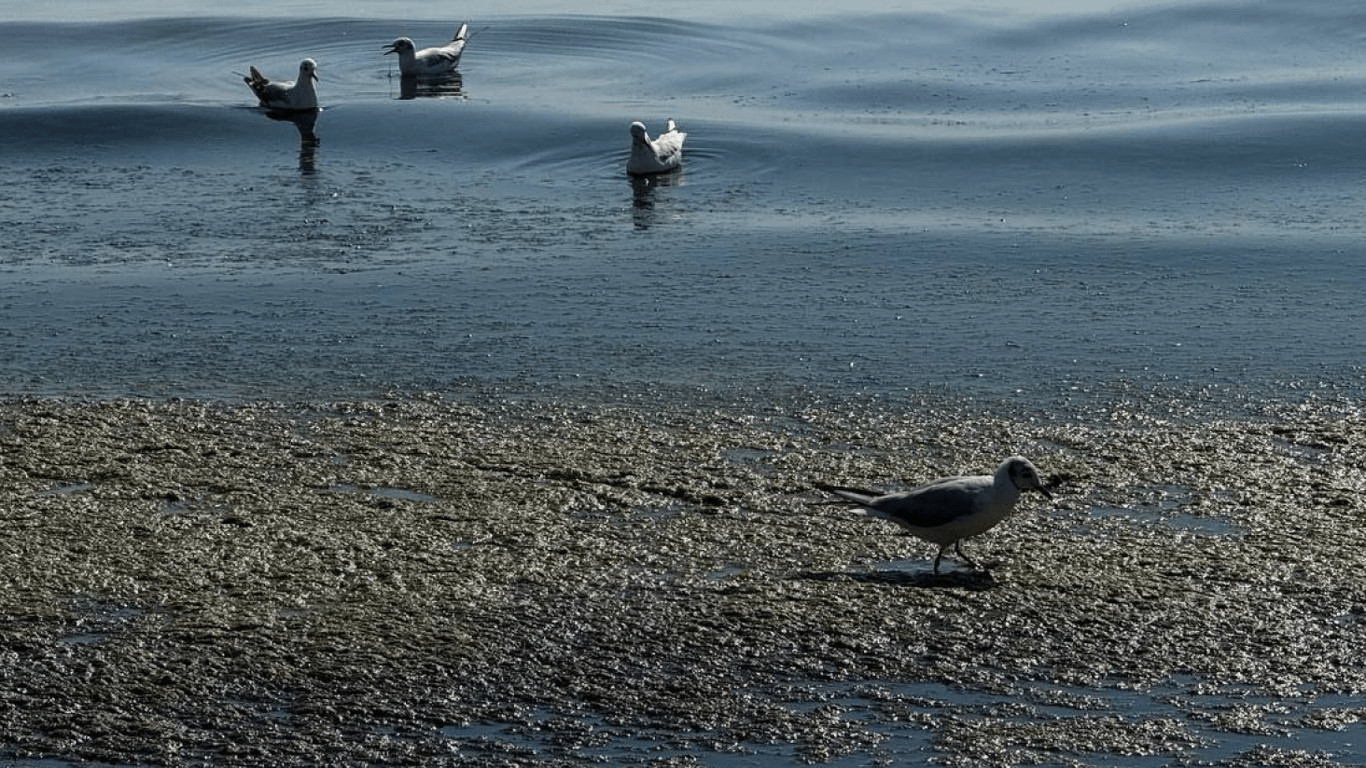
Oil-Soaked Birds Found Dead at Tuzly Lagoons National Park
According to Novyny.live: Birds covered in fuel oil, including species listed in Ukraine's Red Book of protected wildlife, have been discovered along the coast of the Tuzly Lagoons National Nature Park in the Odesa region. Two dead birds—a Black-necked Grebe and a Red-throated Loon—were found within the park's boundaries, raising significant alarm among ecologists and conservationists. This incident highlights the far-reaching consequences of maritime pollution in the Black Sea region.
According to the park's administration, the birds likely became contaminated with fuel oil from an accident in the Kerch Strait, an ecological disaster that occurred over 600 km away. Ecologists also noted that the deaths could be linked to sunflower oil pollution, a result of strikes by Russian drones on agricultural or port infrastructure. The sheer distance the contaminated wildlife traveled underscores how ocean currents can spread environmental damage across vast areas.
Ivan Rusev, an environmental community representative, commented on the situation: 'After the birds died, ocean currents carried them to our shores from more than 600 km away from the accident site in the Kerch Strait.'
Sea pollution from such disasters poses a severe threat to local flora and fauna, especially protected species. It is critical for relevant authorities to respond to these events and implement measures to prevent similar incidents in the future. The administration of Tuzly Lagoons National Park has already reported the situation to the Department of Ecology and Natural Resources of the Odesa Regional Military Administration.
Urgent Need for Stronger Environmental Safeguards
This event underscores the urgent need to strengthen environmental safety controls in Ukraine, particularly within the context of military conflicts that can trigger ecological catastrophes. State bodies must take action to protect vulnerable ecosystems and prevent future cases, as such pollution not only harms nature but can also negatively impact the health of people living in these regions. The ongoing war has created unprecedented challenges for environmental monitoring and disaster response.
Read also
- Strike on Sumy on June 30: 12 Injured, 5 Hospitalized
- Monaco Mansion Blast Targets Ukrainian Oligarch Yermolayev; Suspect Flees to France
- Scorching Heat Up to 35°C and Thunderstorms: Ukraine’s Weather Forecast for July 1
- German Graduate Killed in Kharkiv on Diploma Day: Russian Strike Forces Cancellation of Graduation Ceremony
- Ukraine's Power Grid Struggles Under Heatwave: When the Worst Blackouts Are Expected
- Earth Braces for Solar Storm on June 30: What to Expect