Mining Threatens the 'Lost City': A Unique Atlantic Ecosystem at Risk.

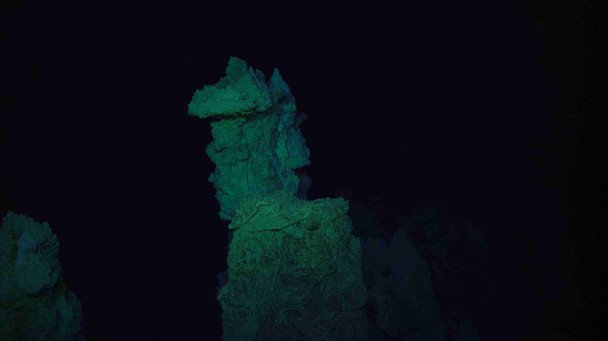
The 'Lost City' Hydrothermal Field: An Ancient Ecosystem Under Threat
According to TSN.ua: Scientists have discovered the 'Lost City,' a hydrothermal vent field on the Atlantic Ocean floor that has existed for at least 120,000 years. Located at a depth of over 700 meters, this site has captivated researchers due to its unique ecosystem. However, this fragile environment is now under threat after Poland obtained a license to explore for resources in the nearby area, jeopardizing its ecological balance. Hydrothermal vent fields like this are rare windows into extreme life forms and Earth's geological history.
First discovered in the year 2000, the Lost City has been the focus of extensive scientific study. Research has revealed that the temperature of its vents reaches +40 °C. The field's tallest structure, a tower named 'Poseidon,' stands over 60 meters high. These features make the Lost City not only a site of profound scientific interest but also a globally unique ecological treasure.
The Looming Danger of Resource Extraction
In 2024, the site's scientific importance was further underscored when researchers extracted a record-setting 1,268-meter core sample of mantle rock, providing invaluable data on geological processes. Despite this, the ecosystem faces potential destruction from nearby mining operations licensed to begin. The loss of this unique habitat could have severe consequences for marine life across the region.
Consequently, the Atlantic's Lost City is more than a geological phenomenon; it is a vital component of the global ecosystem. Finding a balance between resource extraction and preserving its unique nature presents a critical challenge for both science and environmental policy. This case highlights a broader, pressing dilemma of the modern era: how to meet resource demands without causing irreversible damage to irreplaceable natural environments. Urgent international discussion and decisive action are required to protect such valuable natural resources for future generations.
Read also
- Ukrainian Forces Push Back Russian Army on the Alexandrovsk Front: New Gains Reported
- Can Russia Capture Kramatorsk and Sloviansk? The Growing Pressure in Donetsk Region
- Ukrainian Drones Cripple Chongar Bridge to Crimea: Key Details on the FrontStrike Operation
- Overnight Drone Strike in Odesa Injures Woman and Two Children
- Ukraine Disables Russian Shadow Fleet Tanker and Destroys Missile Arsenal
- Ukraine Strikes Drone Factory and Oil Refinery in Russia – Targets Hit Up to 900 Kilometers Away