Olympic Champion Beleniuk Condemns IOC's 'Lethal Disease'.

Olympic Champion's Critique of IOC Ruling
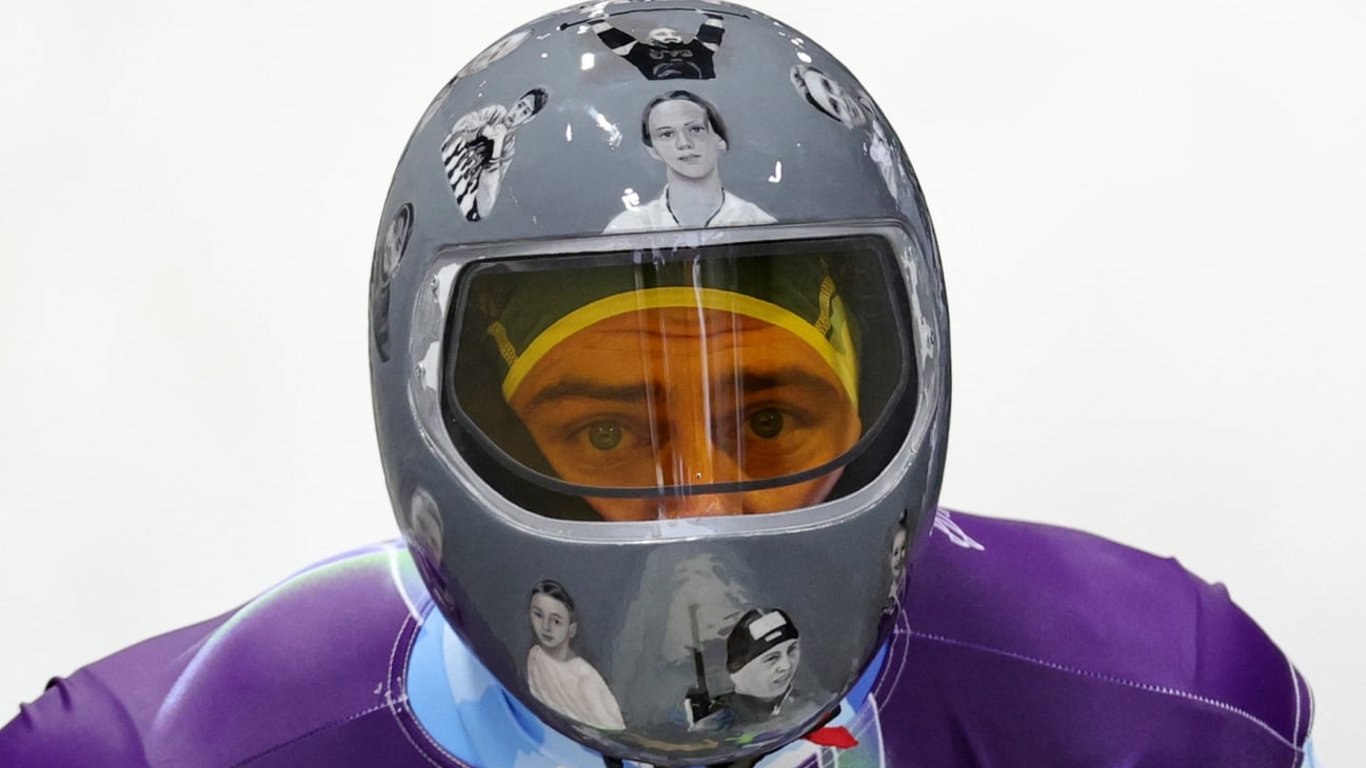
According to Novyny.live: Jean Beleniuk, an Olympic gold medalist in Greco-Roman wrestling, has publicly condemned a recent decision by the International Olympic Committee (IOC). The ruling concerns Ukrainian skeleton athlete Vladyslav Heraskevych, whom the IOC has prohibited from wearing a uniform featuring images of deceased Ukrainian athletes. This ban has ignited a broader debate about the core values of the Olympic movement and the limits of athlete expression. The decision touches on the sensitive intersection of global sport and ongoing geopolitical conflict.
While the IOC has permitted athletes to wear a black armband or ribbon, it has stipulated that these items must not be personalized. Reacting to this compromise, Beleniuk stated on his Instagram page:
“A black armband should be worn. It should be worn because of a lethal disease. Because of the lethal disease of the IOC itself.”His sharp criticism highlights perceived inconsistencies in the committee's policies and suggests the existence of a double standard.
Scrutiny of Olympic Principles
The controversy surrounding the IOC's decision has prompted a wider examination of what Olympic values and fairness truly mean in today's sporting world. It demonstrates how rulings from international sports federations can directly impact athletes' ability to express their views on significant social and political issues.
This incident underscores the complex and often contentious relationship between individual athletes and the governing bodies that regulate international competition, particularly during times of political turmoil. It raises serious questions about the IOC's effectiveness in upholding its own principles when faced with acts of remembrance and respect for those lost in conflict. The ongoing discourse may ultimately pressure the IOC to refine its policies and influence future decisions regarding athlete participation and expression.
Read also
- Olympic Champion Beleniuk Fires Sharp Criticism at IOC Over Russian Athlete Decision
- Why the Olympic Games Must Exclude Russia: A Political Power Play Through Sport
- Ukraine Confronts Kremlin's Use of Sport to Whitewash Its War
- Ukrainian Lawmaker Jean Beleniuk Urges 2026 Paralympic Boycott Over Russian and Belarusian Inclusion
- Ukraine Condemns Moves to Reintegrate Russian and Belarusian Athletes
- Jean Beleniuk on Revising Hero of Ukraine Honors: Presidential Prerogative