Why You Should Unplug Chargers: The Hidden Dangers of Leaving Power Adapters in Outlets.

The Risks of Keeping Chargers Permanently Connected
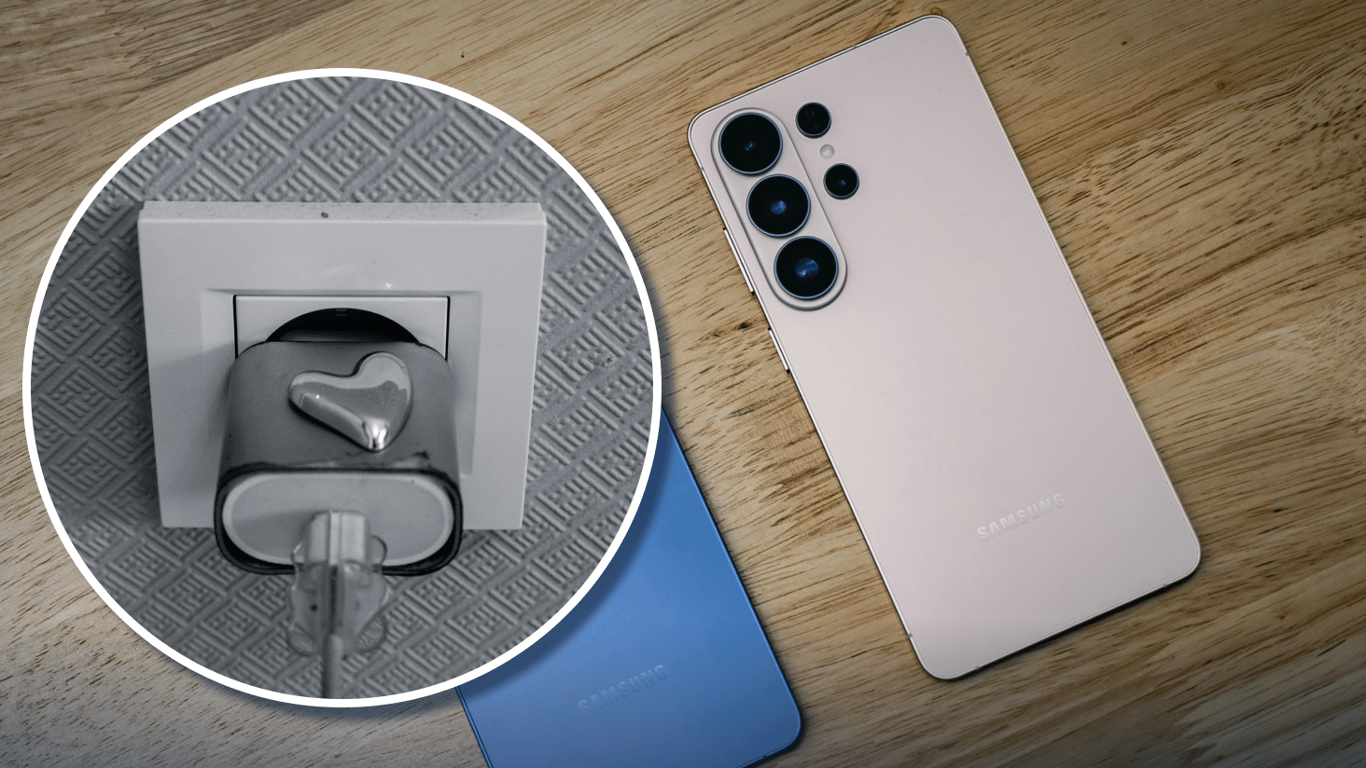
According to Novyny.live: Many people leave their phone chargers plugged into wall outlets even when no device is attached. While this habit may seem harmless, it exposes users to several potential hazards. Even without a smartphone connected, the adapter remains live and continues to draw power, leading to:
- accelerated wear on internal components;
- increased danger from low-quality adapters;
- a higher risk of overheating;
- phantom electricity consumption, which can also create safety risks for children.
Charger components degrade over time, even when the charger is not actively powering a phone. This gradual wear reduces the adapter's efficiency, making it less reliable when finally needed. The greatest threat comes from cheap power bricks, which are prone to overheating and can trigger electrical failures. Such adapters, especially during voltage fluctuations, significantly raise the chance of overheating, potentially leading to serious incidents.
Child Safety and Energy Waste
Another concern is that chargers consume electricity even when idle. A single adapter in standby mode uses only a small amount of power, but multiple units left plugged in can add up to a meaningful load on your home's electrical system. For households with children, a live charger presents an additional hazard—it is an exposed electrical point that can pose a shock or burn risk. Therefore, it is wise to adopt cautious habits and consider unplugging chargers whenever they are not in use.
Understanding these risks is a key part of modern home safety. Given that most people rely on electronic devices daily, being aware of charger-related dangers can help prevent accidents and save energy. Users are strongly advised to follow basic safety guidelines and disconnect power adapters when they are not needed, thereby reducing threats to both themselves and their families.
Read also
- Intel’s 14A2 Process with Dual-Side Power Delivery: How It Could Reshape the Chip Market
- 260 Starlink Satellites Decommissioned by SpaceX: What’s Happening in Orbit
- First Jet1 Aircraft Model Now Under Assembly in Mojave: Promises Up to 50% Fuel Savings
- Seasonic Reveals RTX 5080 SUPER Specs: 415W TBP and 24GB Memory
- Electric vehicle range gets a massive boost as South Korea unveils next-generation battery electrodes
- Ukraine’s New ‘Flamingo’ Missile Strikes Targets 3,000 km Away: How the FP-5 Works