Which Plants Can Thrive on a Cold Windowsill at 12°C?.

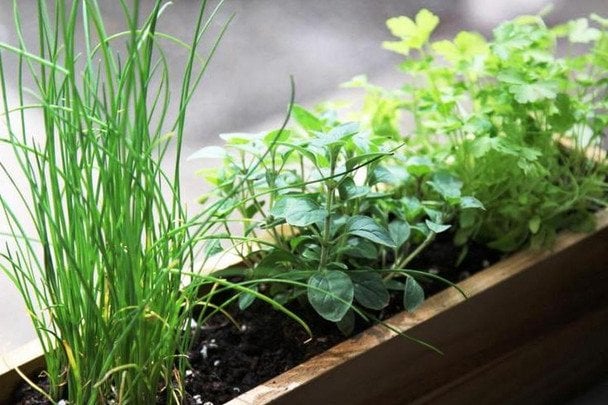
Growing Herbs in a Chilly Room: A Guide for Cool Windowsills
According to TSN.ua: Cultivating herbs on a windowsill becomes challenging when indoor temperatures drop, but certain resilient plants can survive in conditions as cool as 12 to 15°C. For success, it's crucial to consider not just temperature but also lighting, as both significantly impact plant growth and development. This is particularly useful for those living in older homes or cooler climates where indoor heating may be limited.
Hardy Plants Suited for a Cold Windowsill
Topping the list of hardy plants is green onions (scallions). This plant doesn't require sunlight for its initial sprouts, making it an ideal choice for a cold windowsill. Fast-growing microgreens, like cress or mustard, are also excellent, ready to harvest in just a week. Root celery is another robust option, more cold-tolerant than parsley. However, root parsley demands the sunniest spot or supplemental grow lights in winter to ensure proper growth conditions.
Successful cultivation also requires attention to each plant's specific needs. For instance, basil needs protection from drafts and stable temperatures, which can be problematic in the cold season. Mint grown from root cuttings is hardier but still requires shelter from the cold. Overly moist soil can lead to frozen roots, so careful watering control is essential.
Protecting Your Greens: Survival Strategies for a Cold Home
To safeguard your plants, insulate pots from the cold windowsill surface to help retain root warmth. For feeding, use natural supplements like vermicompost (worm castings), which can encourage growth even in cooler temperatures.
In summary, when selecting plants for a cool windowsill, carefully consider their light requirements and need for cold protection. The right choices will allow you to enjoy fresh herbs even during the coldest months.
In the context of climate change and a growing interest in sustainable living, cold-tolerant windowsill gardening is gaining popularity. This practice not only provides fresh dietary greens but also promotes eco-friendly home food production. With proper care and knowledge, it's possible to maintain plant vitality in less-than-ideal conditions, highlighting the value of basic horticultural understanding for plant enthusiasts.
Read also
- Compost in Just 10 Days: The Key Secrets to Rapid Waste Breakdown Revealed
- No-Sterilization Winter Pickles: A Simple 6-Step Recipe
- Holiday Gift Guidelines for 2026: How Much to Give for Weddings and Birthdays in Ukraine
- No June Blooms for Your Jasmine? Follow These 3 Essential Care Tips
- June Financial Horoscope: Three Zodiac Signs Set for Prosperity
- Loose Powder Keeps Makeup Intact: How to Prevent Sunglass Marks on Your Face