Zelenskyy States Iran Has Currently Halted Drone Shipments to Russia for Use Against Ukraine.

Statements from Ukrainian, Israeli, and American Officials
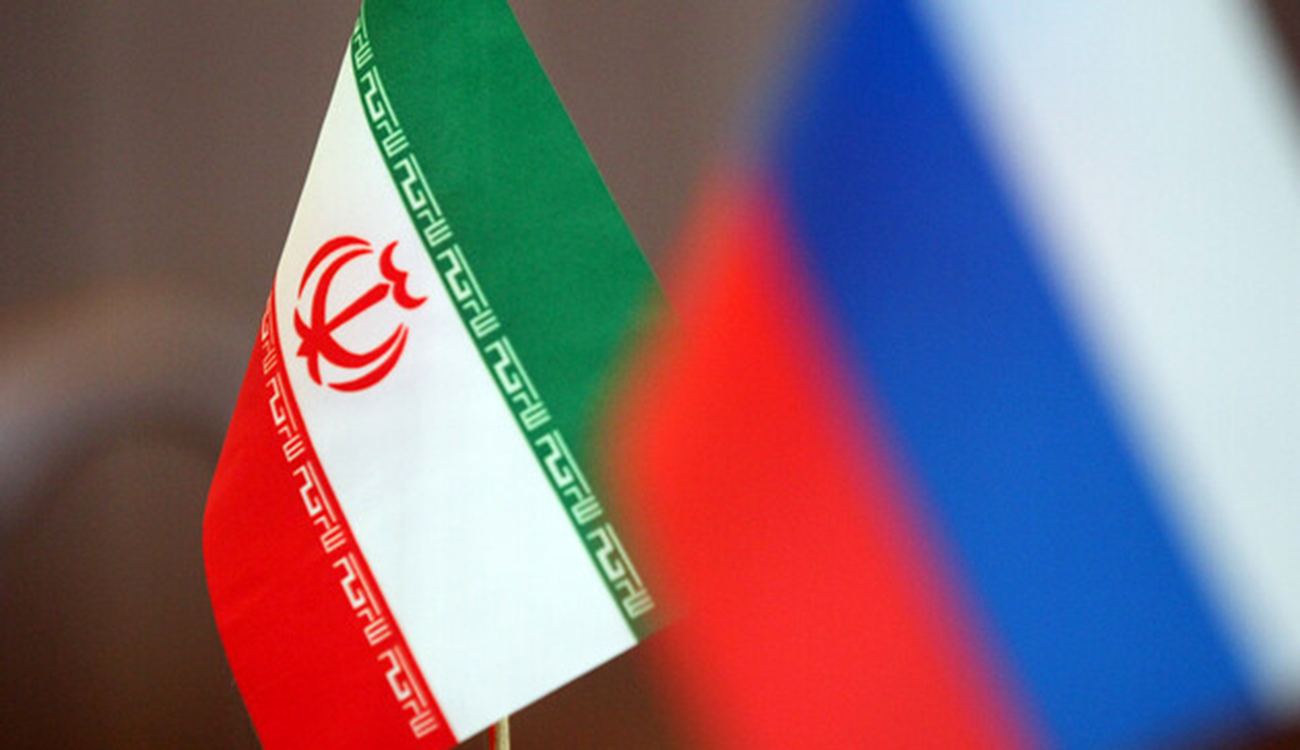
According to UATV: Ukrainian Foreign Minister Andrii Sybiha highlighted the close connection between the regimes in Iran and Russia, which he described as a threat to Ukraine and other nations. Sybiha stated these regimes are "inextricably linked: they cooperate, exchange resources, weapons, and technologies." This alliance underscores the complex geopolitical landscape where such partnerships can significantly impact regional security.
Ukrainian President Volodymyr Zelenskyy confirmed that, at present, Iran is not supplying Russia with drones or other weaponry that the Kremlin uses for attacks on Ukraine.
"Right now, Tehran is not supplying Moscow with drones or other weapons that the Kremlin is using for attacks on Ukraine" — Volodymyr Zelenskyy.This statement comes amid heightened global scrutiny of military aid to Russia and may reflect diplomatic efforts to de-escalate tensions and reduce suspicions of Iran's support for the aggression.
Regional Dynamics and International Relations
Meanwhile, Israeli Prime Minister Benjamin Netanyahu commented on Iran, noting that
"a moment of truth is approaching. For we do not seek to divide Iran. We seek to liberate Iran" — Benjamin Netanyahu.These remarks point to the broader Middle Eastern context and potential shifts in international policy towards Tehran, independent of the Ukraine conflict.
U.S. officials also play a key role in shaping the international response. Specifically, U.S. Representative to the UN Mike Waltz remarked that "if they are providing anything, it's certainly not very effective." Such comments indicate Washington's assessment of the potential scale and impact of any ongoing weapons transfers in the context of the war.
Consequently, the situation surrounding Iran-Russia cooperation is causing concern among many nations, including Ukraine. The interaction between these states could have serious implications for regional security and international relations as a whole. The ongoing war has made the global community acutely aware of how such alliances can alter the balance of power.
The statements from Ukrainian, Israeli, and American officials indicate a growing apprehension within the international community regarding the Tehran-Moscow alliance. This concern is likely to influence the future foreign policy of nations involved in the conflict and their strategies for addressing security issues in the region. Monitoring these developments is crucial for understanding how global power dynamics are shifting in response to new challenges and threats.
Read also
- Zelenskyy's Decision on Syrskyi: Who Replaced Yermak in the Security Shuffle
- Zelenskyy to Declassify SBU and Intelligence Archives: Tusk Reacts Positively
- New Phase in Ukraine-Poland Ties Announced by Zelensky: What Lies Ahead
- Zelensky Breaks His Own Pledge: How the President Undermined Constitutional Order
- Temporary SBU Chief Appointed by Zelensky: Who Took the Role
- New Interim Leaders Appointed for Ukraine’s Security Service and National Police by President Zelenskyy