Four Years of Coordination Staff: 8,669 Ukrainians Freed from Captivity - Zelenskyy Summarizes.

Summary of the Coordination Staff
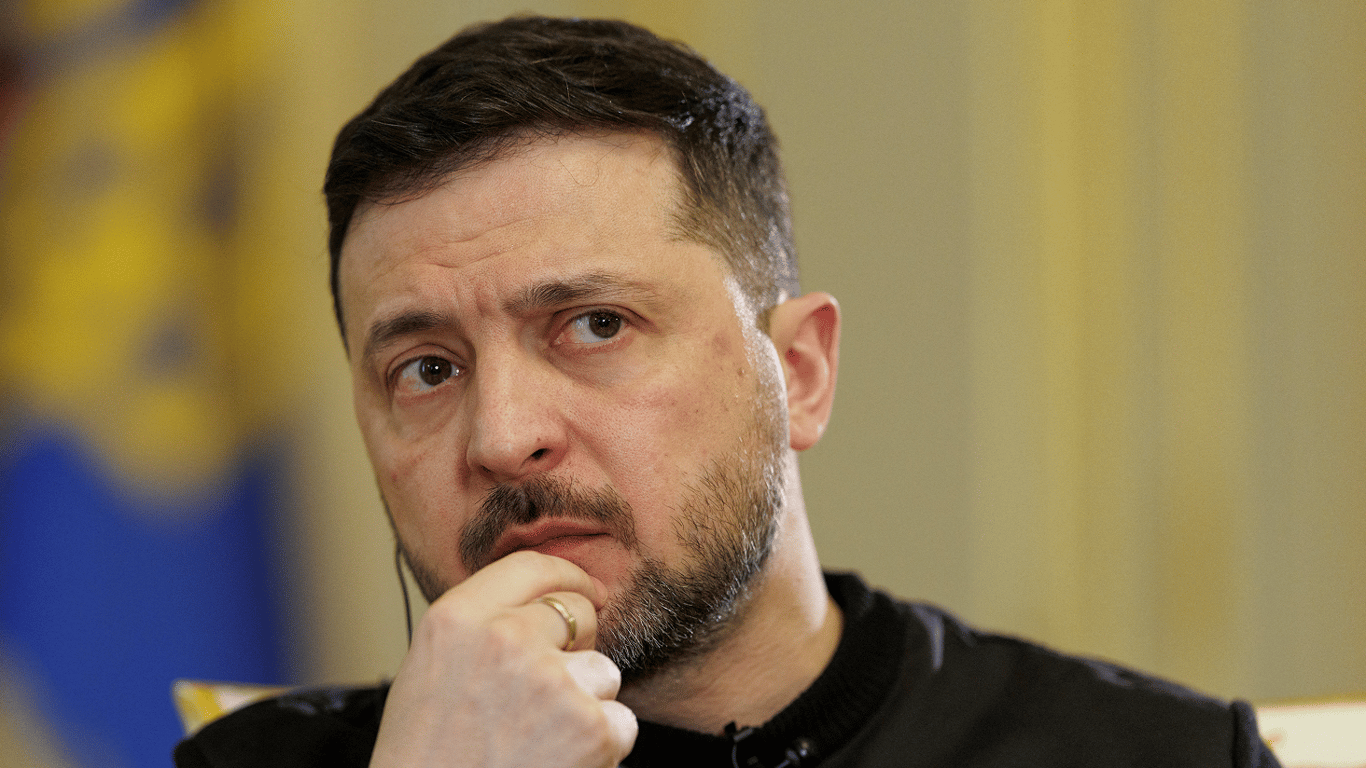
According to Novyny.live: President Volodymyr Zelenskyy highlighted the work of the Coordination Staff for POW issues as it celebrated its fourth anniversary. Since its establishment in March 2019, 8,669 Ukrainians have been rescued from Russian captivity. The most recent prisoner exchange took place on March 6, 2023, during which 300 soldiers and two civilians were freed. A day earlier, on March 5, 2023, another 200 Ukrainian fighters were released.
“This March, we celebrated the fourth anniversary of one of our most important state institutions – the one that brings people home from captivity and gives us all hope of seeing our loved ones again.” – Volodymyr Zelenskyy
The President emphasized that some war prisoners had been in captivity since the time of the hybrid war – that is, for ten years or more. “It is always good news, every day, every week, and every month, when Ukrainians return, and we see that lives have been saved. I thank everyone who makes this possible,” he added. The Coordination Staff works continuously to identify more prisoners and organize exchanges.
Importance of the Coordination Staff's Work
Zelenskyy also thanked for every Ukrainian flag that soldiers see on their way from the border. “I thank those who help with the adjustment after captivity, who heal bodies and souls. Those who help restore justice so that all who torment our people feel that there will be a response from us to each of their crimes,” said the president. He emphasized that the return of Ukrainians will continue: “The work to bring Ukrainians home is ongoing.”
This news highlights the central role of the Coordination Staff and Ukrainian authorities in the liberation of war prisoners – a topic that is particularly relevant in the ongoing conflict with Russia. The return of Ukrainians from captivity not only restores family ties but also boosts the morale of the population by showing that state institutions can act effectively even in wartime conditions. Thus, the work of the staff remains crucial for both the personal fates of the freed and for the general emotional climate in the country.
Read also
- Zelenskyy Welcomes UK’s New Prime Minister: Who Is Andy Burnham?
- UK’s New PM Andy Burnham Pledges Ukraine Support in First Call with Zelensky
- Zelenskyy Meets Corps Commanders: What’s Changing for Ukraine’s Military Supply Lines
- Zelenskyy Holds First-Ever Corps Commanders Meeting at Supreme Headquarters: Key Outcomes
- Zelenskyy Holds Special Staff Meeting: Weapons and Gear the Army Needs Right Now
- Kremlin Plans to Draft Over 500,000; Men of Conscription Age Advised to Leave Russia Before Autumn