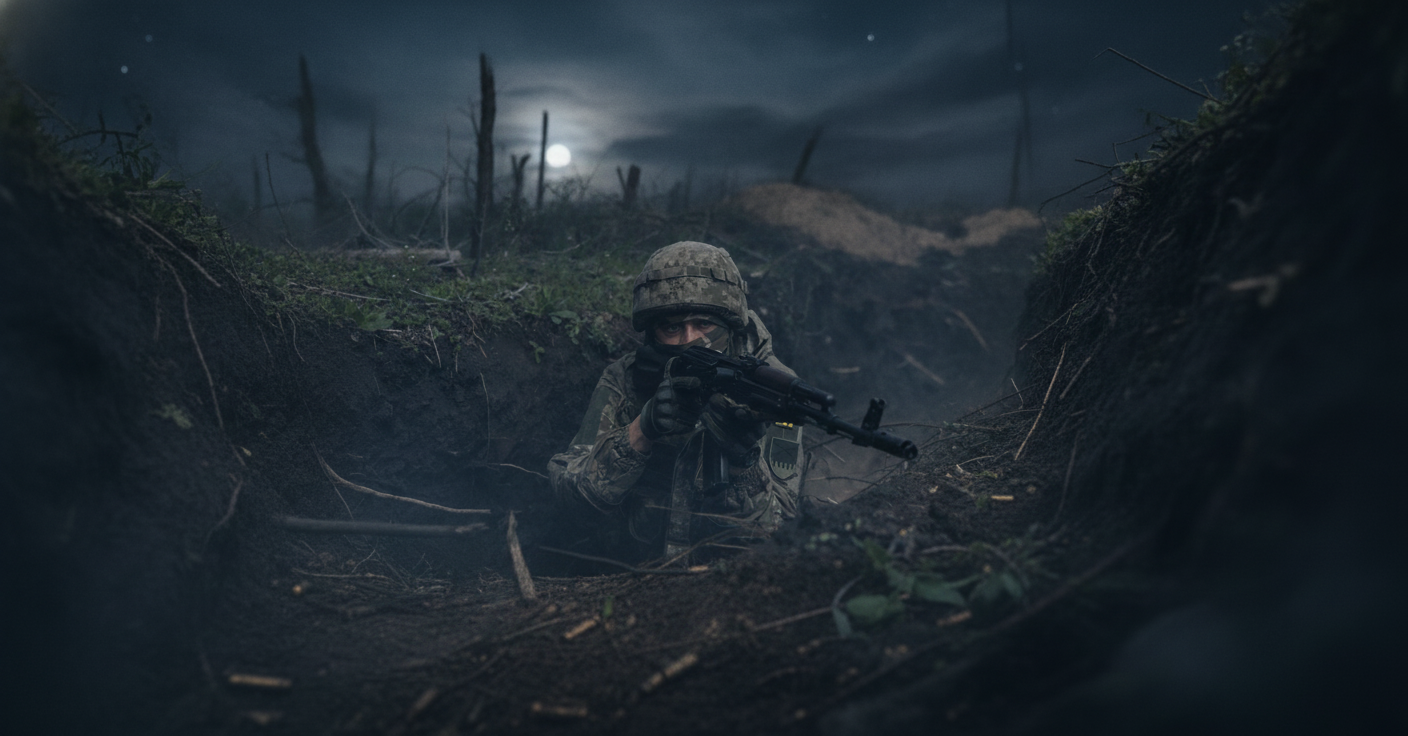
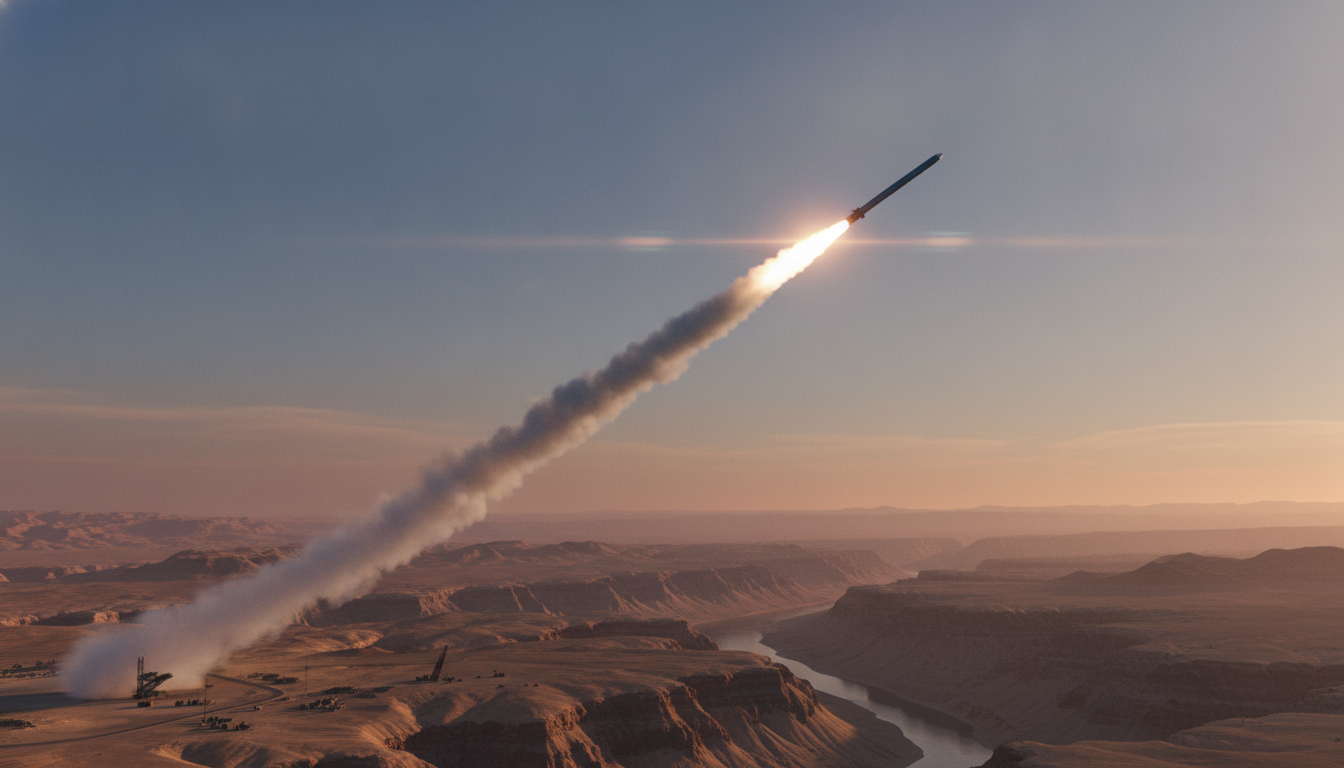
Iran Receives Drones from Russia for Strikes on U.S. Bases, Zelenskyy Claims.

Drone Transfer to Iran
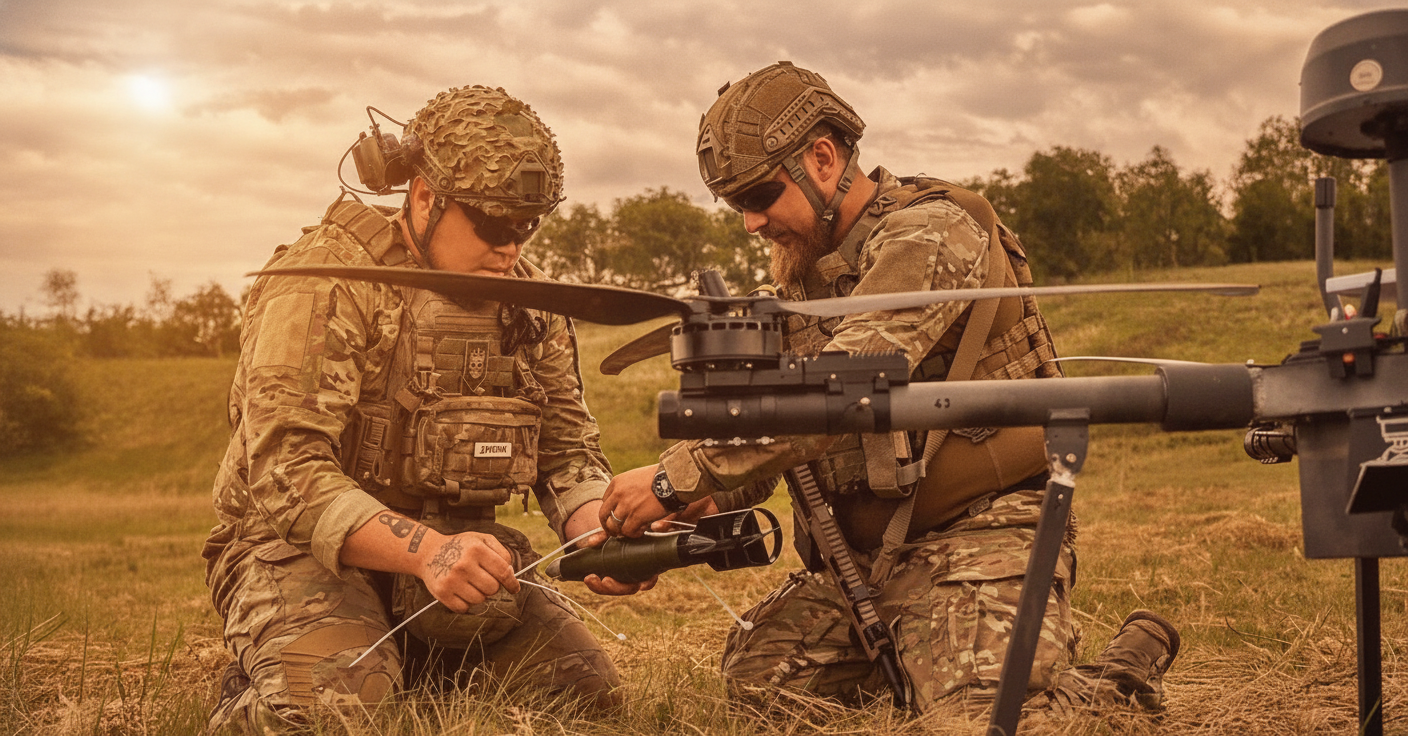
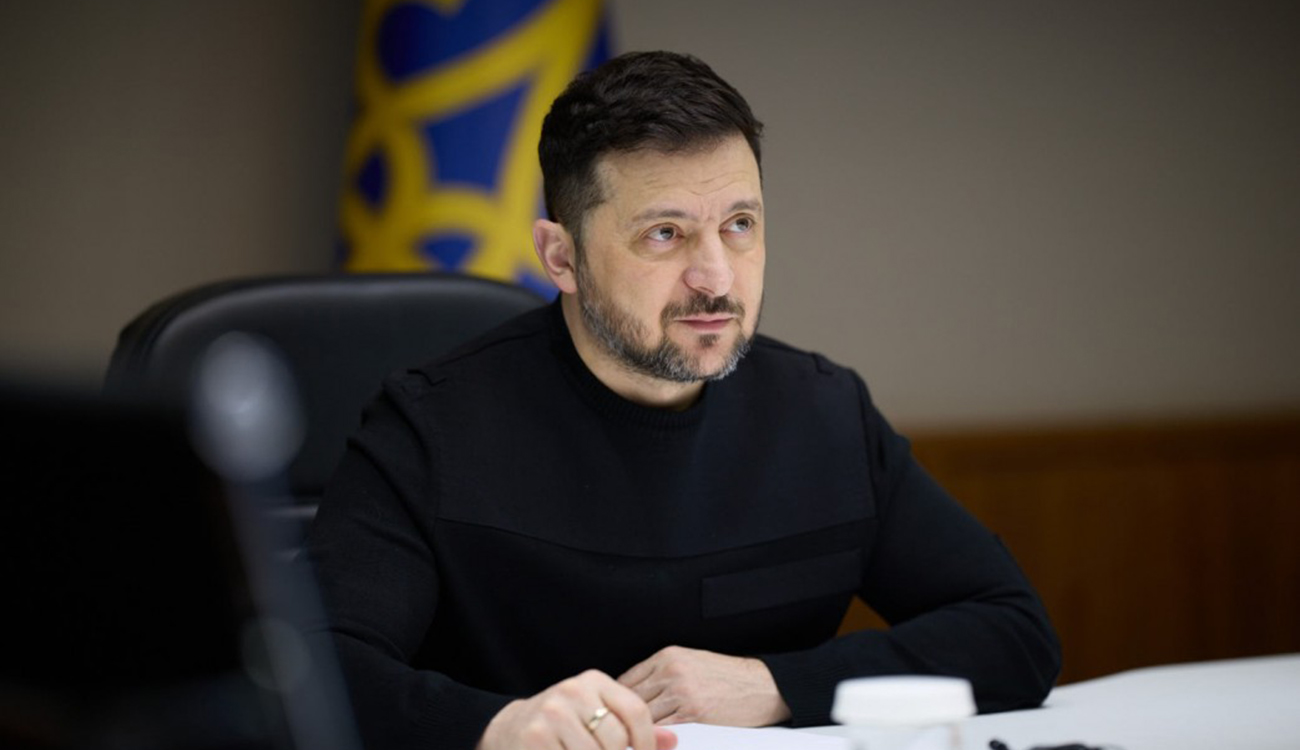
According to UATV: Ukrainian President Volodymyr Zelenskyy has alleged that Russia supplied attack drones, including Shahed models, to Iran, along with intelligence data that could be used to target American military installations and nations across the Middle East. According to Zelenskyy, there is '100% evidence' that the Iranian regime has already deployed these unmanned aerial vehicles against U.S. assets and its neighboring countries in the region. This disclosure comes amid heightened global scrutiny of Tehran's military capabilities and its growing alignment with Moscow.
Reports confirm that Iran has utilized these drones in attacks on American targets, raising serious international concerns that such actions could further destabilize an already volatile region. In response, Israeli Prime Minister Benjamin Netanyahu has initiated talks with Zelenskyy, highlighting the escalating security worries posed by the combined threats from Iran and Russia. These discussions underscore a broader unease among Western allies about the shifting dynamics of power and aggression in the Middle East.
Shifting the Regional Balance of Power
Russia's transfer of drones to Iran has the potential to significantly alter the strategic equilibrium in the Middle East, especially given Iran's prior experience using similar technology in its military campaigns. This development also underscores the deepening strategic partnership between Moscow and Tehran, a collaboration that alarms Western nations, particularly the United States and its allies, who view it as a direct challenge to regional stability.
The ongoing dialogue between Ukraine and Israel may signal a pressing need for collective international action to counter the threats emanating from Iran and its support for militant groups in the region. Such cooperation reflects a growing recognition that these challenges require a unified response to prevent further escalation.
Read also
- Massive Fire Engulfs FSB Coordination Hub in Kherson Region After Ukrainian Strike
- Partisans of the 'Atesh' Movement Leak Intelligence on Russian Oil Depot: Key Details About the Facility
- Over 68,000 Ukrainian Troops Trained in the UK Since 2022: Key Details
- Russia's Drone Forces Initiative Falls Short: Only a Quarter of Military Training Target Met
- 64 Russian Soldiers Captured Behind Ukrainian Lines in Operation by the 225th Assault Regiment
- Over 400 Drones Strike Moscow Region as Ukraine Unveils New Interceptor Missile