Zelensky: Russia Uses Drones to Probe NATO Air Defenses as Ukraine Intercepts Threats.

Ukrainian President Sounds Alarm on Russian Drone Strategy
According to UATV: Volodymyr Zelensky has stated that Moscow is deploying drones to pressure NATO member states and test their air defense capabilities. According to the Ukrainian leader, his country's forces are actively working to intercept Russian unmanned aerial vehicles, even when those drones are heading toward neighboring nations like Romania, Moldova, Poland, and the Baltic states. This revelation underscores the broader security implications for the alliance, as Kyiv acts as a frontline shield against Russian aggression.
Key Remarks from Face the Nation Interview
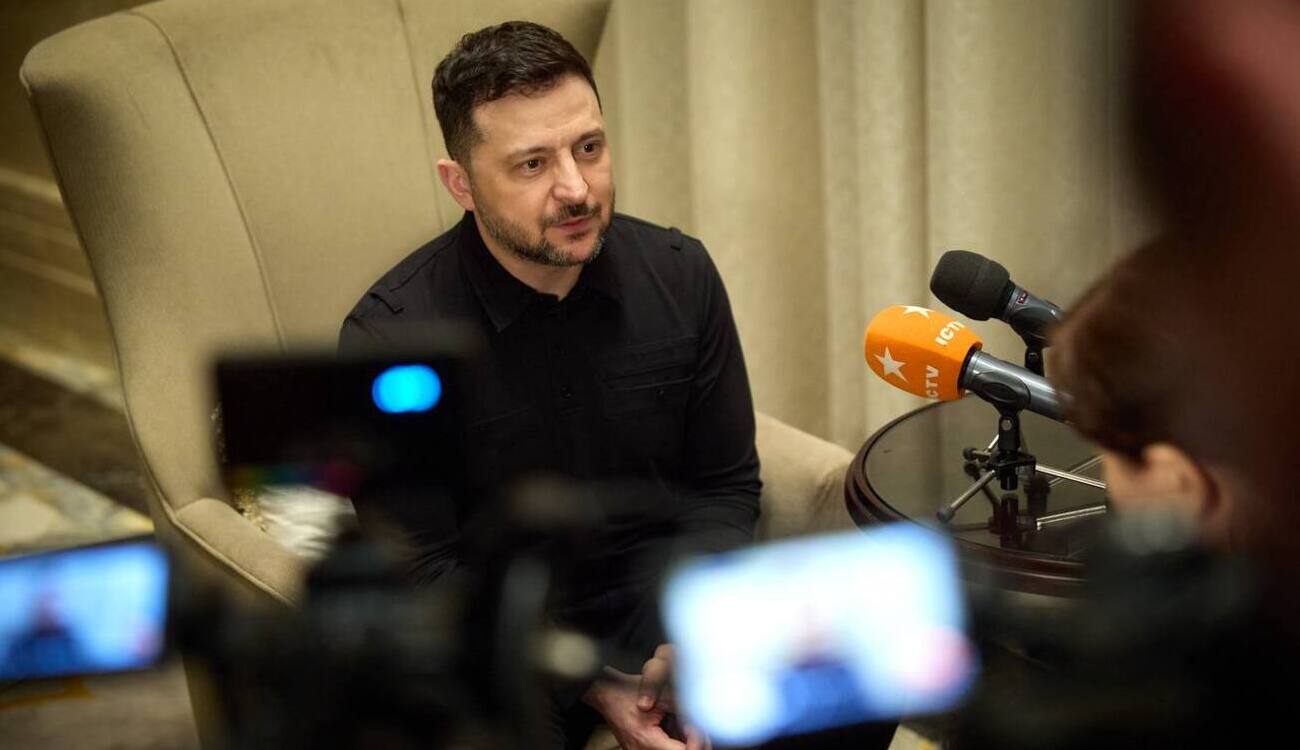
During an interview on the program Face the Nation, Zelensky explained:
“We are trying to intercept all Russian drones, even when some of them are moving in the direction of other countries.”He further emphasized that Russia is using these drones to 'pressure NATO countries and gauge their reactions.' The president noted that this activity allows the Russian leadership to compare NATO's current responses with those observed in previous years, highlighting a deliberate strategy to probe the alliance's resolve.
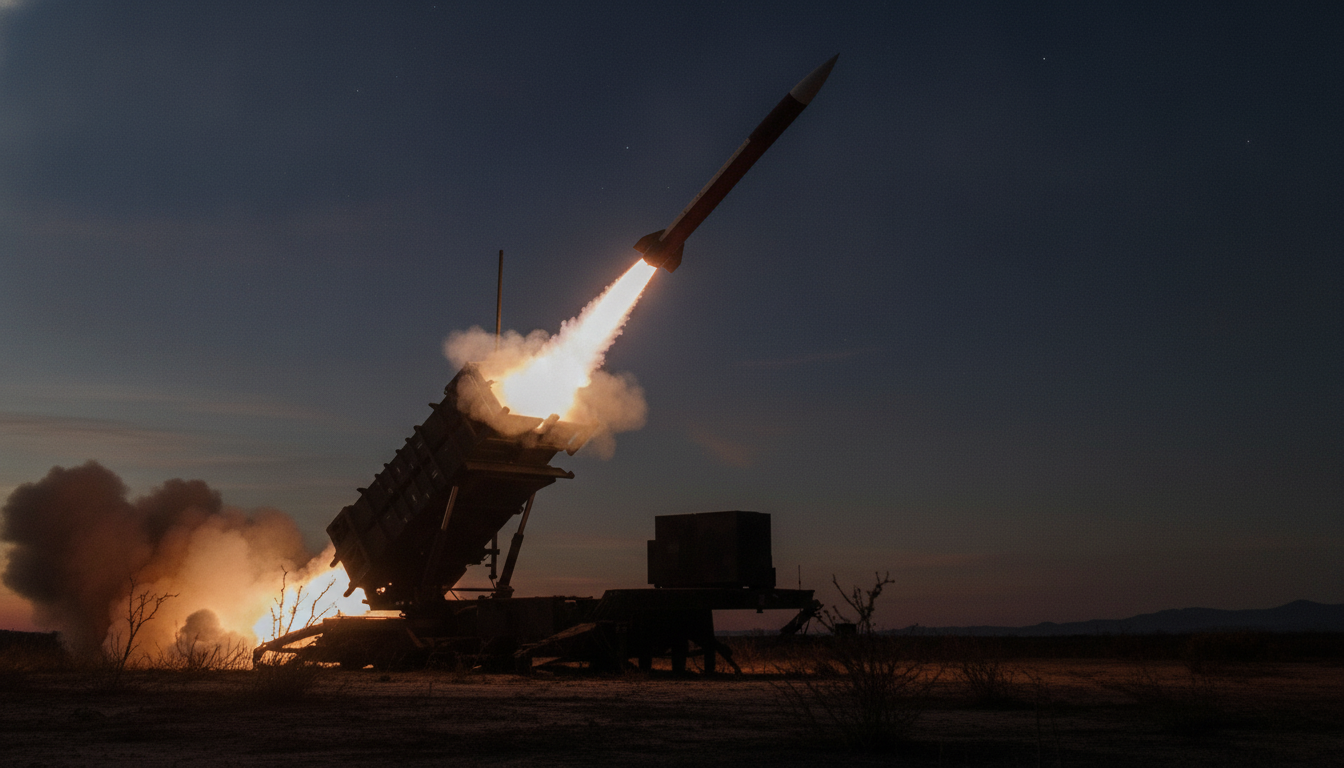
Romania is now planning to request that NATO accelerate deliveries of air defense systems, reflecting growing alarm across the region. Meanwhile, Ukrainian pilots remain on high alert, having already logged over 2,700 combat sorties aboard F-16 fighters to intercept aerial targets. These figures not only demonstrate the intensity of Ukrainian operations but also underscore the severity of the threat posed by Russia and the urgent need to bolster defensive mechanisms in neighboring countries.
Zelensky's statements capture the heightened tensions between Russia and NATO, acknowledging that the threat extends beyond Ukraine to encompass European security as a whole. The push for enhanced defensive measures—exemplified by Romania's appeal to NATO for additional air defense assets—signals a growing recognition of the need for collective security in the region. These developments are likely to shape NATO's response strategies and future actions against Russian aggression.
Read also
- At Kyiv Summit, Zelensky Urges Europe to Maintain Pressure on Russia Through Sanctions
- Massive protests erupt across Ukraine after defense minister Fedorov is dismissed
- Repeating History: Why Ukraine Lost Its Liberation Struggle a Century Ago
- Russia’s Accusations Over Zaporizhzhia Engineer’s Death Dismissed by Ukraine’s Foreign Ministry
- CIA Director: Russian Soldiers Survive Only 30 Minutes on the Frontline
- US Greenlights License for Patriot Missile Production in Ukraine