Zelensky Reports Tens of Thousands of New Russian Mobilizations: What This Signals.

Russia's Mobilization Landscape
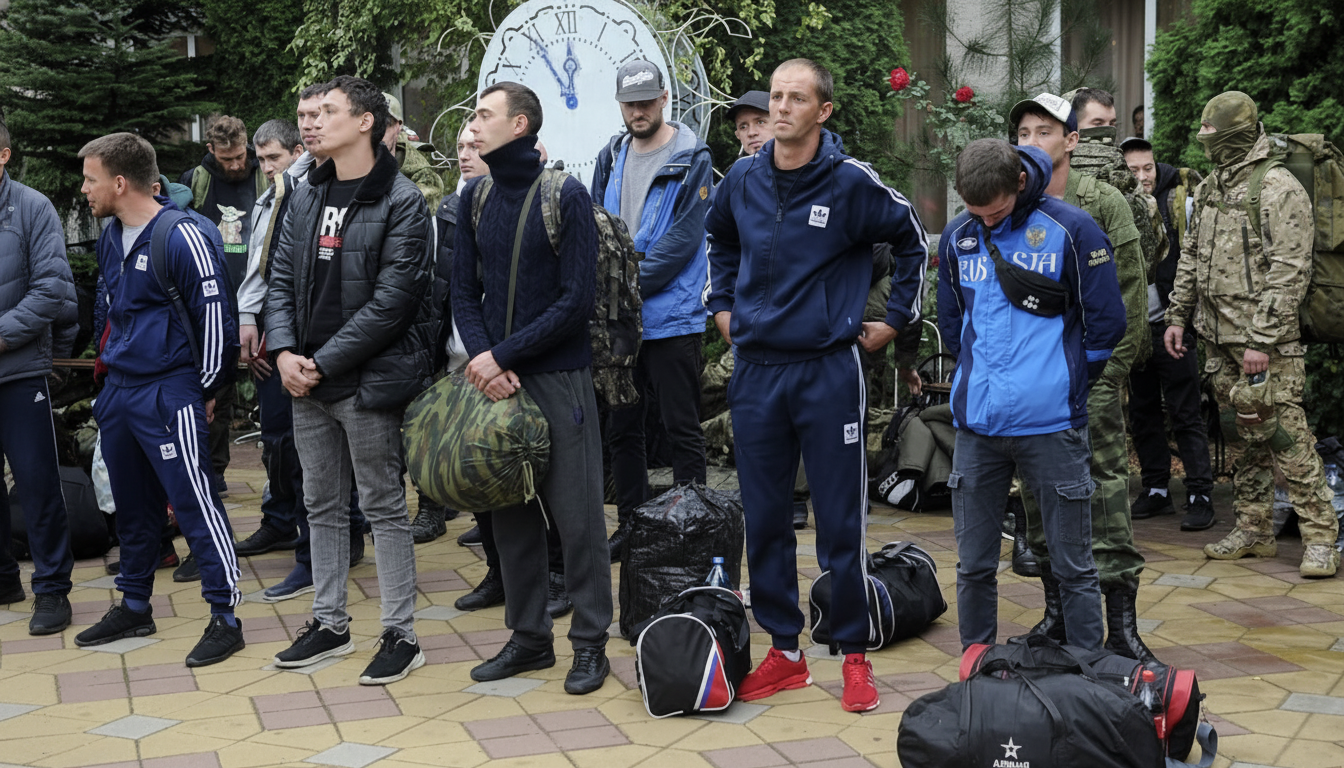
According to UATV: Reports from Ukraine indicate that Russia is preparing an additional wave of mobilization, driven by heavy losses suffered by its military in occupied territories. Ukrainian President Volodymyr Zelensky has voiced concerns over these actions, interpreting them as evidence of Moscow's unwillingness to engage in genuine diplomacy.
'Such steps by Russia show Moscow is not ready for real diplomacy' - Volodymyr Zelensky
According to the president, Russia is calling up tens of thousands of additional troops. Vladimir Putin has signed a law requiring police to conduct 'preventive work' with citizens who evade conscription. Meanwhile, estimates suggest the Russian army is losing equipment and personnel faster than the Kremlin can replace them. Russia's mobilization capacity is roughly 30,000 to 35,000 people per month, while Ukrainian assessments put Russian military losses at around 35,000 personnel per month.
Mobilization Outlook and International Response
Analysts at the U.S.-based Institute for the Study of War (ISW) note that the Kremlin is approaching a point where manpower shortages will become a major obstacle to continuing its aggression. Experts believe the Kremlin is considering a new mobilization scenario. They also point out that Moscow may find a legal loophole to extend conscription measures without using the term 'general mobilization.'
'Russia must end its war, and the world has the leverage to make that happen' - Volodymyr Zelensky
However, according to Andriy Sydelnykov, 'Little is likely to happen in the next three summer months,' suggesting no immediate operational changes in the military situation.
In summary, the situation surrounding mobilization in Russia remains tense, and the Kremlin's next moves could significantly impact the course of the war and diplomatic efforts in the region. Facing substantial losses and an inability to quickly replenish combat forces, Russia's actions may reflect an attempt to maintain a military presence, but they also raise questions about its capacity to sustain an aggressive policy. The international community continues to monitor these developments closely, as they hold major implications for regional stability.
For context, this update comes amid ongoing Western scrutiny of Russia's military capabilities and its ability to sustain prolonged conflict, with key allies like the U.S. and EU closely watching for signs of escalation or diplomatic openings.
Read also
- Fedorov Dismissed as Defense Minister: Tensions with Syrskyi Behind the Decision
- Ukraine Overhauls Military Leadership: New Army Chief and Chief of General Staff Appointed by Zelenskyy
- European Allies Caught Off Guard by Ukraine’s Military Leadership Shake-Up
- Ukraine Ready for 'Peace with Dignity,' Zelenskyy Says: What We Know About the Talks
- Putin’s Economic Claims Exposed as Manipulation by Ukraine’s Disinformation Center
- U.S. Media Hails Drapatyi’s Appointment: What Ukrainian Troops Are Saying