The Disappearance of 3D TVs: Why the Format Failed to Meet Expectations.

Why 3D Technology Quickly Lost Its Ground
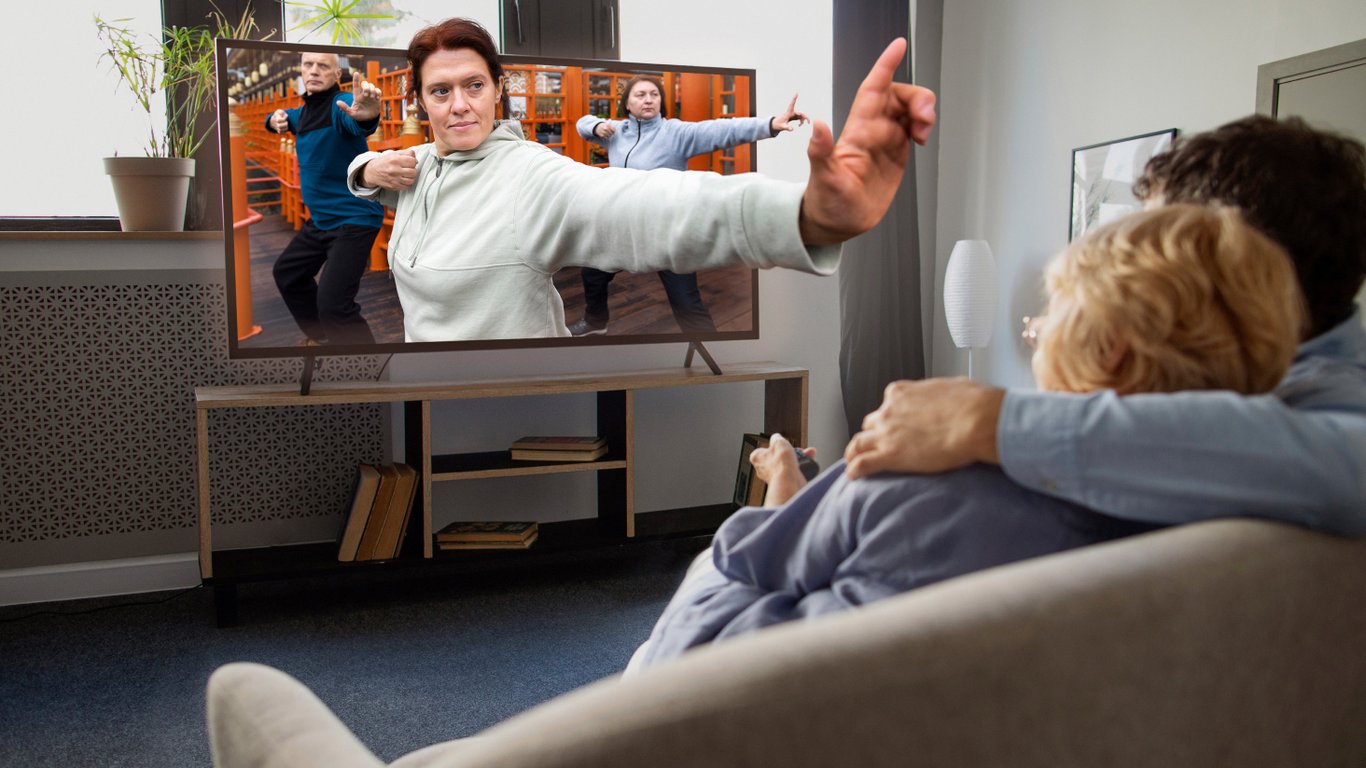
According to Novyny.live: The rapid exit of 3D televisions from the market stemmed from several key factors that undermined their appeal. The 2009 success of the film 'Avatar' initially sparked widespread interest in 3D technology. Yet despite this early surge, 3D TVs never managed to secure a lasting foothold in the consumer electronics landscape.
Key Reasons Behind the Decline of 3D Televisions
By the mid-2010s, electronics manufacturers began shifting their focus toward emerging technologies like 4K and HDR, which delivered noticeably superior picture quality. This pivot toward newer formats diminished consumer enthusiasm for 3D TVs, as buyers increasingly favored more advanced options.
In 2016, Samsung confirmed it would no longer produce new TVs with 3D support. This decision sent a clear signal across the industry that manufacturers saw no viable future for 3D technology. Contributing factors included persistent discomfort during 3D viewing and a shortage of high-quality 3D content, both of which eroded consumer interest over time.
- Rising appeal of newer display technologies
- Viewer comfort issues with 3D glasses and effects
- Lack of compelling, high-quality 3D content
Together, these elements led to the swift disappearance of 3D televisions from store shelves.
The decline of 3D TVs highlights how quickly the tech landscape evolves, with new formats and image quality improvements constantly entering the market. Consumers have grown more demanding about content quality and viewing experience, pushing manufacturers to adapt or risk obsolescence. The abandonment of 3D may reflect a broader industry trend that prioritizes comfortable, high-quality viewing—a shift that could shape future innovations in television technology.
Read also
- Turn Your Old Phone Into a Smart Display: Inside the New ScreenWall Web Platform
- Speed Record Set by Bombardier Global 8000: Los Angeles to Farnborough in Just 8 Hours 46 Minutes
- A New Augmented Reality Platform Lets You Read and Build 3D Comics
- How Artificial Intelligence Is Unlocking Billions in Real Estate Value
- Ukraine’s Air Defense Gets a Boost: New 'Hot Dog' Drone Takes Down Over 300 Targets
- Windows That Generate Power Even at Night: A New Solar Innovation