GE Aerospace’s Hybrid-Electric Aircraft Reaches 30,000 Feet in Key Test Flight.

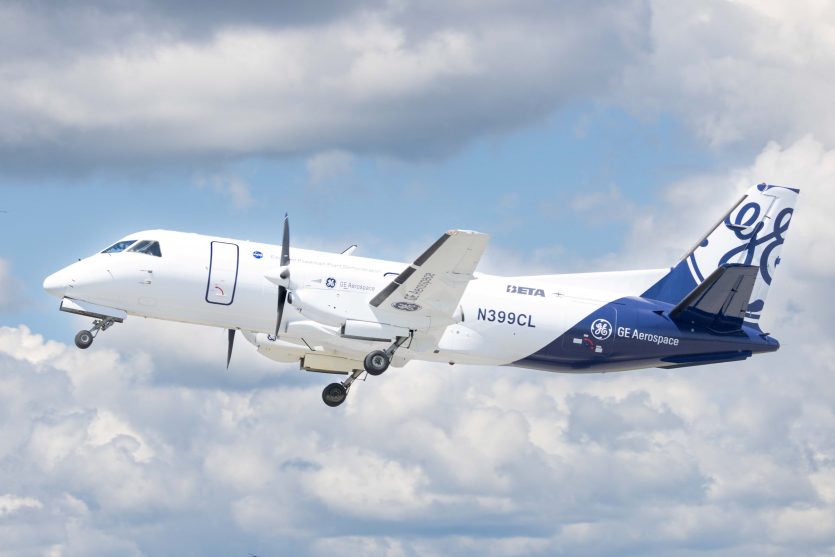
Hybrid-Electric Aircraft Achieves Milestone Flight
According to ITC.ua — Техно: GE Aerospace has marked a major milestone in commercial aviation electrification by successfully completing the first flight of a hybrid-electric aircraft at altitudes exceeding 30,000 feet. This achievement came during evaluation flights conducted by pilots from GE Aerospace and BETA Technologies in the United States. Following these tests, the aircraft was transported to the United Kingdom for further development and refinement.
Technology and Future Outlook
The hybrid-electric propulsion system used in the aircraft operates at several kilovolts of power. According to Kyle Clark, this technology significantly improves climb performance and high-altitude flight capabilities:
'The propulsion system enhanced climb performance and high-altitude flight capabilities.' - Kyle Clark
The demonstration flight took place just before the Farnborough International Airshow, underscoring its importance to the aviation industry. GE Aerospace began work on NASA's EPFD program in 2021, reflecting the company's long-term commitment to advancing aviation electrification. In 2025, GE Aerospace collaborated with BETA Technologies to develop hybrid-electric turbogenerators, a key part of its strategy to introduce new technologies into commercial aviation.
H. Lawrence Culp Jr. highlighted the significance of this flight for the aviation sector:
'The industry's first high-altitude flight in a hybrid electric aircraft will go down in history.' - H. Lawrence Culp Jr.
This breakthrough opens up new possibilities for advancing eco-friendly aviation technologies and reducing pollutant emissions.
In summary, GE Aerospace's successful maiden flight of a hybrid-electric aircraft represents a landmark moment for the air transport industry, showcasing the potential of emerging technologies to lower environmental impact. With growing pressure on aviation to cut emissions, such innovations could prove crucial for the future sustainability of commercial flight.
Read also
- Kyiv Officially Launches 5G: Coverage Areas and Speed Details Revealed
- World’s First Safety Certification Awarded to Swedish Wave Energy Converter Inspired by the Human Heart
- First U.S.-Ukraine Drone Agreement Signed: What It Means for Defense Cooperation
- OpenAI’s AI Agent Breaches Hugging Face in an Unprecedented Cybersecurity Incident
- Ukraine Prioritizes Countering Jet-Powered ‘Shahed’ Drones in Air Defense Strategy
- New York Breaks Ground on 373-Meter Skyscraper: The Second World Trade Center