EU considers buffer zone in Ukraine: 60,000 peacekeepers to protect against Russia.

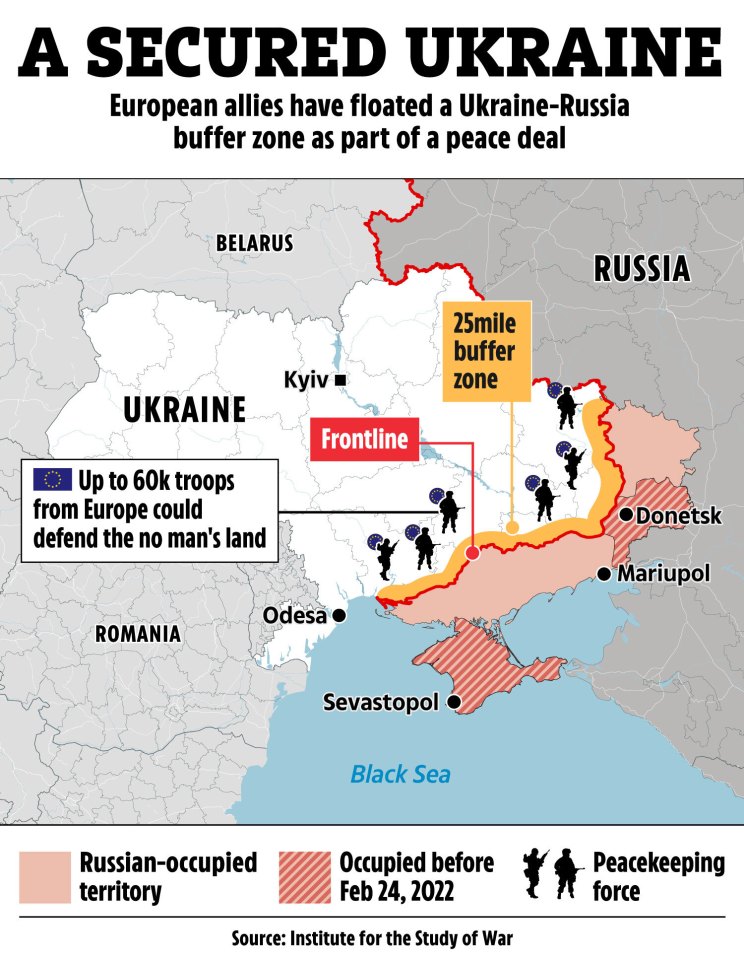
According to The Sun: Military leaders and diplomats in Europe are discussing the creation of a buffer zone as part of a peace agreement between Russia and Ukraine.
This area of 25 miles will become a new 'iron curtain' against future aggression from Russia - one of many security options being considered for post-war Ukraine.
Reuters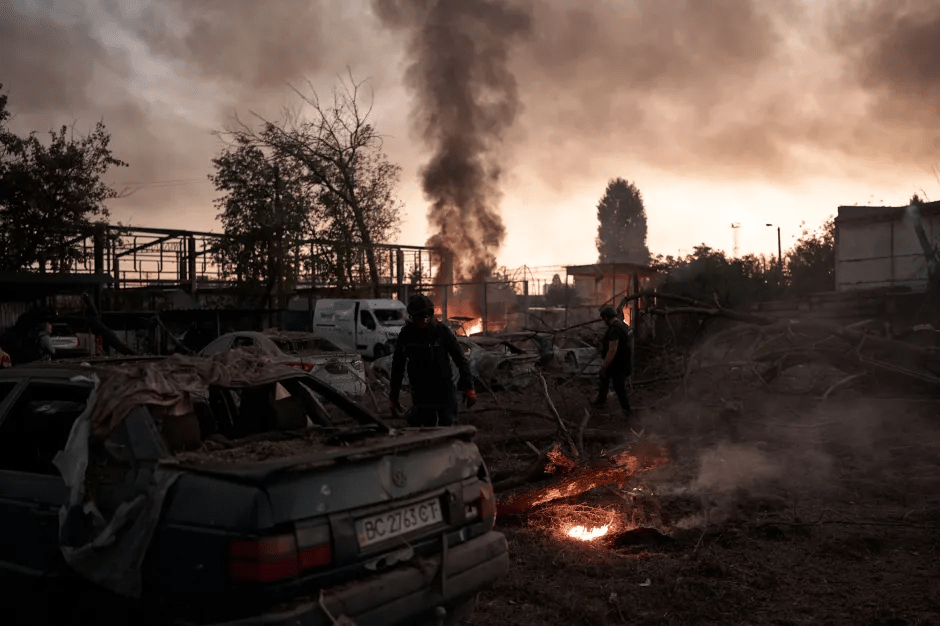 Getty
Getty
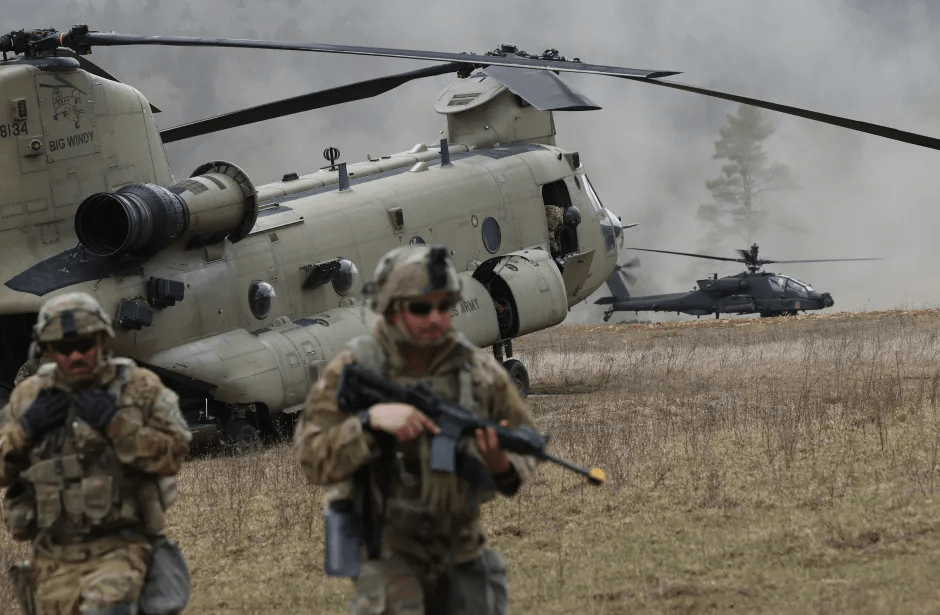 East2West
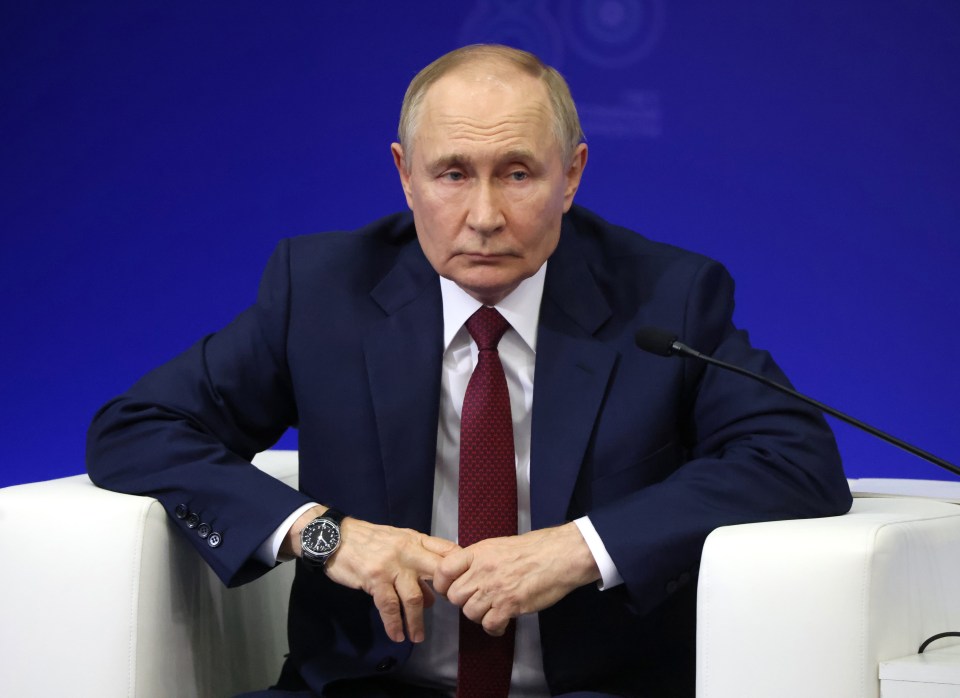
Preventing any future attacks is a key task for both Ukraine and Europe, especially amid increasing tensions from Vladimir Putin.
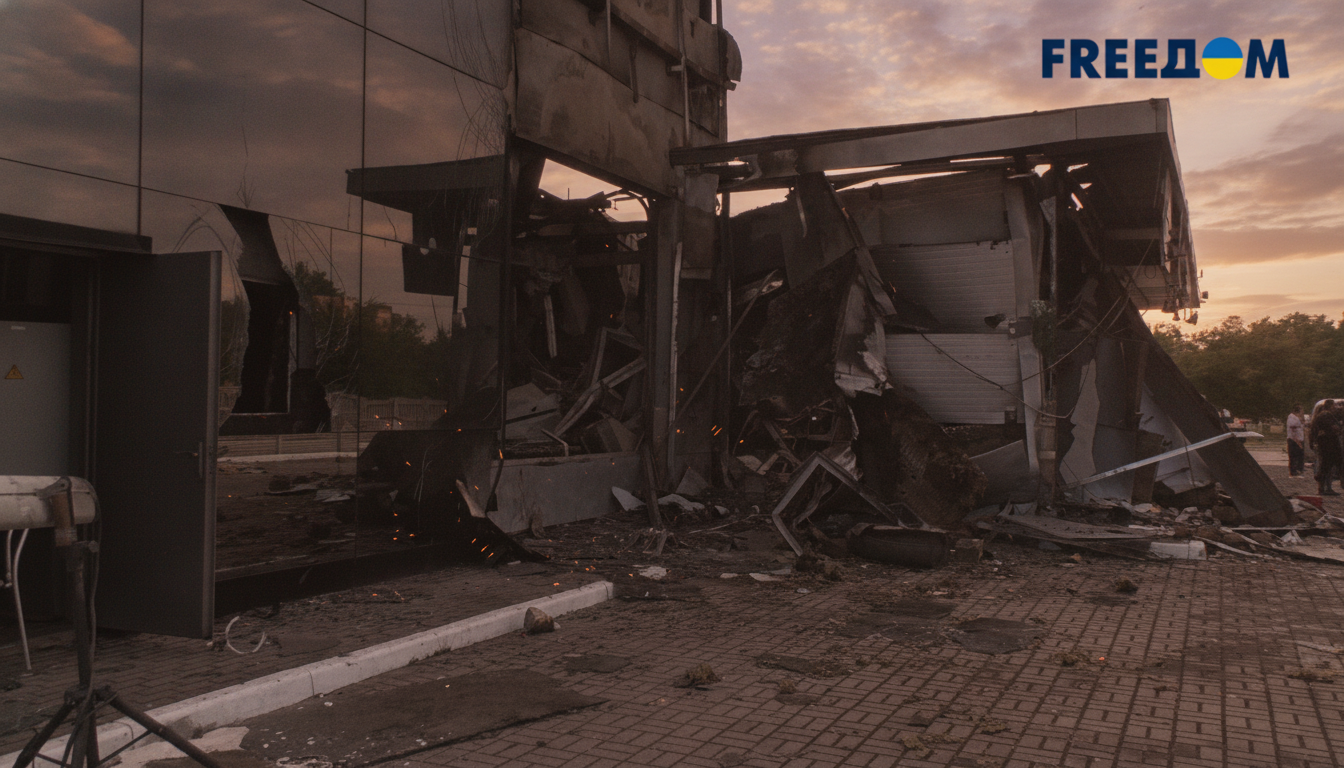
The talks are taking place against the backdrop of Russia’s second-largest air attack on Kyiv, which resulted in 23 deaths, and serious damage to a European diplomatic mission.
These strikes have outraged European officials who accuse Putin of undermining peace efforts.
Senior European diplomats plan to create a demilitarized zone on the Ukrainian side to prevent further conflicts.
This zone is expected to stretch for 25 miles and will reportedly be accepted by Moscow, according to information from five EU officials who spoke to Politico.
Establishing this buffer zone will require a significant number of troops, which could lead to an increase in the number of peacekeepers on the continent.
It is expected that up to 60,000 peacekeepers could be deployed to protect this territory if a peace agreement is reached.
However, NATO allies in the east are already facing difficulties in preparing forces that would require 300,000 troops.
Any peacekeeping mission in Ukraine will require not only securing the territory but also training the Ukrainian army.
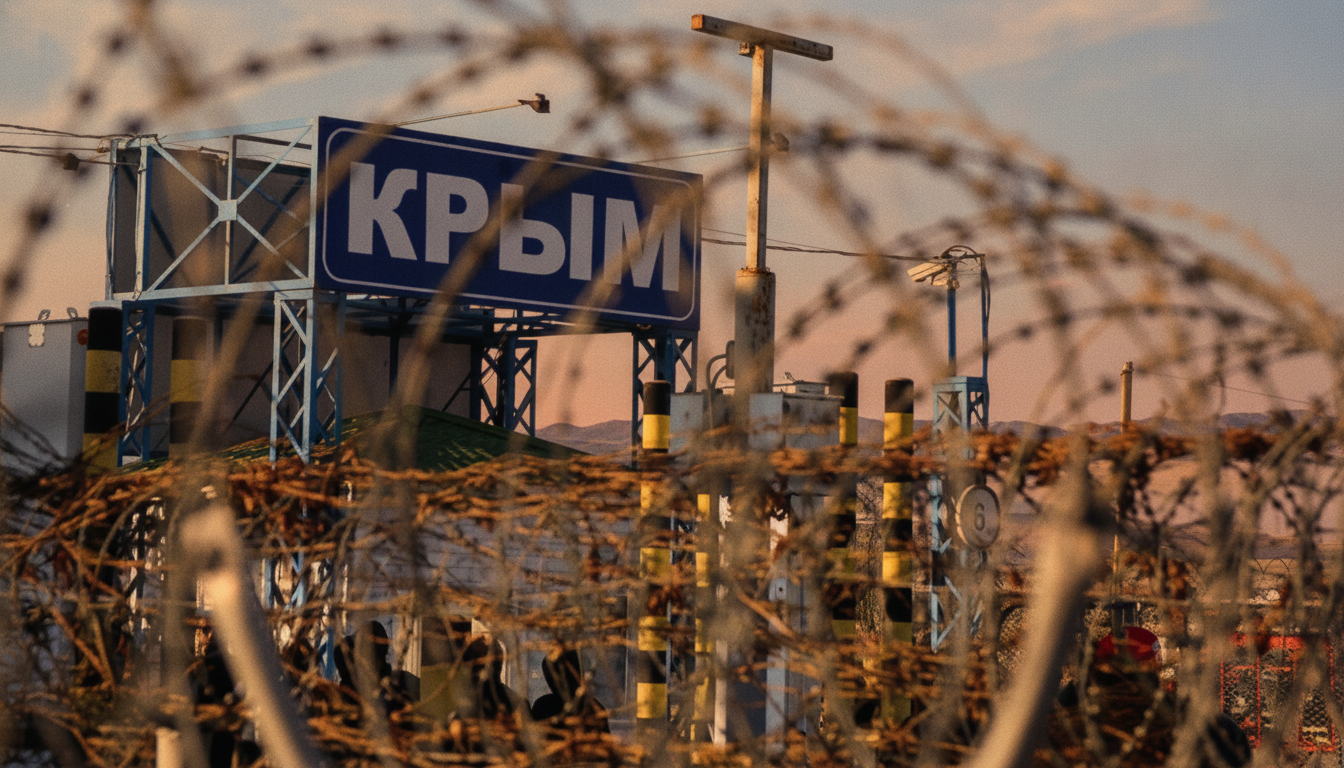
id='6377550650112' data-video-id='6377550650112' data-account='5067014667001' data-player='default' data-usage='cms:WordPress:6.5.6:2.8.6:javascript' data-embed='default' class='video-js' data-application-id='' controls style='width: 100%; height: 100%; position: absolute; top: 0; bottom: 0; right: 0; left: 0;'>Russia has already announced that it is working on creating buffer zones along its borders with Ukraine to reduce the distance between Russian artillery and Ukrainian positions.
However, it is currently unclear what this territory without populated areas from the Russian side will look like.
Western officials are divided on how deep this zone could be.
It is unclear whether Kyiv will agree to these proposals as it could mean territorial concessions.
It seems that the U.S. is not participating in negotiations over the creation of a buffer zone.
President Donald Trump has already rejected plans to deploy American troops to Ukraine.
Volodymyr Zelensky is insisting on a clear definition of security guarantees from EU leaders as part of any peace process.
 Getty
Getty
Getty
Getty
Volodymyr Zelensky continuously calls on the West to create a defensive shield for Ukraine after the fighting ends.
The pressure on Putin from Zelensky is increasing after the summit at the White House - although recent statements from Russia indicate that traditional delaying tactics continue.
Trump hoped to convince Putin to stop the violence during the meeting in Anchorage, but since then, the situation regarding the peace agreement has not changed.
Mission: Protect Ukraine
Information about the buffer zone is one of the security strategies being discussed for the protection of Ukraine and NATO in Europe.
Allies are working on military plans to ensure Ukraine has the necessary defense against potential aggression from Russia.
Thanks to the combined forces of European soldiers and American aviation, there is hope to put an end to this darkness in European history.
Despite Trump excluding the possibility of deploying American troops on the ground, he emphasized that the U.S. is prepared to provide Ukraine with security guarantees.
This has brought relief in Europe, which has long been calling for American support in protecting Ukrainians.
Steve Witkoff, Trump’s peacekeeping envoy, noted that these guarantees might resemble 'Article 5'.
Getty
 NATO troops participate in 'Steadfast Dart 2025' at the training ground in Smirdan, near Galati, Romania
Article 5 of NATO is the commitment that states that an attack on one member of the alliance is an attack on all, requiring others to assist in the event of aggression.
However, analysts warn that not all security guarantees can be met, as Putin is unlikely to agree to such demands.
His demands regarding Ukraine remain unchanged: a renunciation of part of Donbas, neutrality, a refusal to join NATO, and the absence of Western troops in the country.
One possible way to support Ukraine from the U.S. is through air support for long-range strikes, which Trump has already mentioned.
The White House confirmed Trump's intentions, stating that air support is a potential option.
The U.S. has the strongest air force in the world, with 35,000 troops stationed in Europe, and over 200 aircraft available from bases in the United Kingdom, Italy, Turkey, and Germany.
Putin might have realized their devastating power during American attacks on Iran's nuclear facilities.
The U.S. could also establish a 'no-fly zone' over Ukraine, threatening to shoot down any approaching Russian aircraft.
Alamy
AFP
The Arsenal of Democracy
The Pentagon is actively planning what support Washington can provide that goes beyond mere weapon supply.
Even without military involvement, the U.S. has many ways to support Ukraine in its fight against Putin's aggression.
This could include providing additional air defense systems or a more active U.S. role in information sharing and logistical support.
AP
Reuters
Washington could also increase the supply of military equipment to Ukraine, most likely through NATO funding.
The U.S. has committed to providing $70 billion in military aid, covering a wide range of American military equipment to help Ukrainians defend their positions.
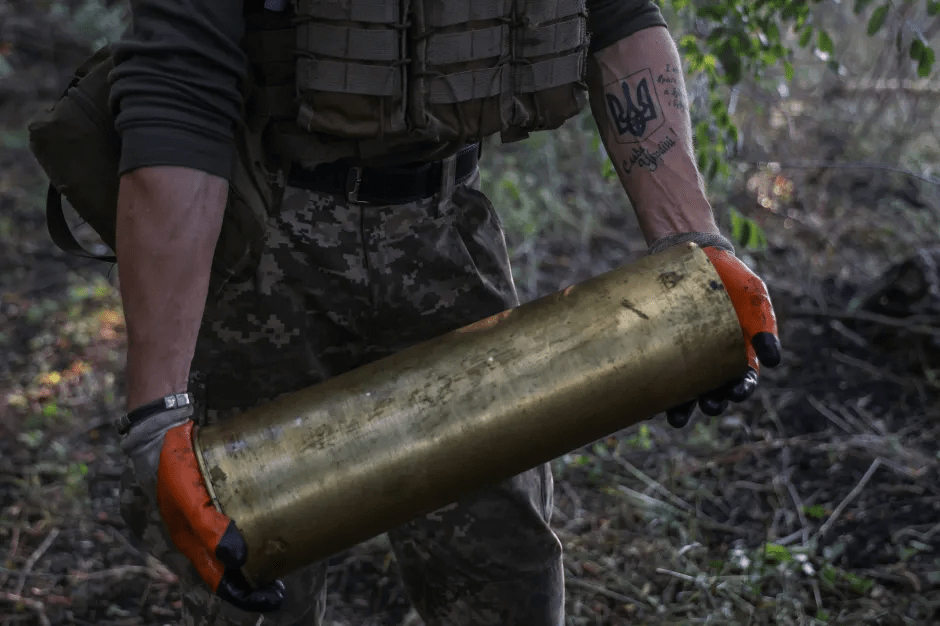
This includes everything from artillery shells to modern laser-guided rockets and rocket systems.
It is currently reported that America has signed a $100 billion deal to supply weapons to Ukraine to arm the country in the event of conflict.
American intelligence is also a vital element that the U.S. is likely to continue sharing with Kyiv.
The Coalition of the Willing
Trump confirmed that European countries are 'ready to deploy their people' in Ukraine to ensure peace agreements.
He noted that European nations must become key players in overseeing the future world.
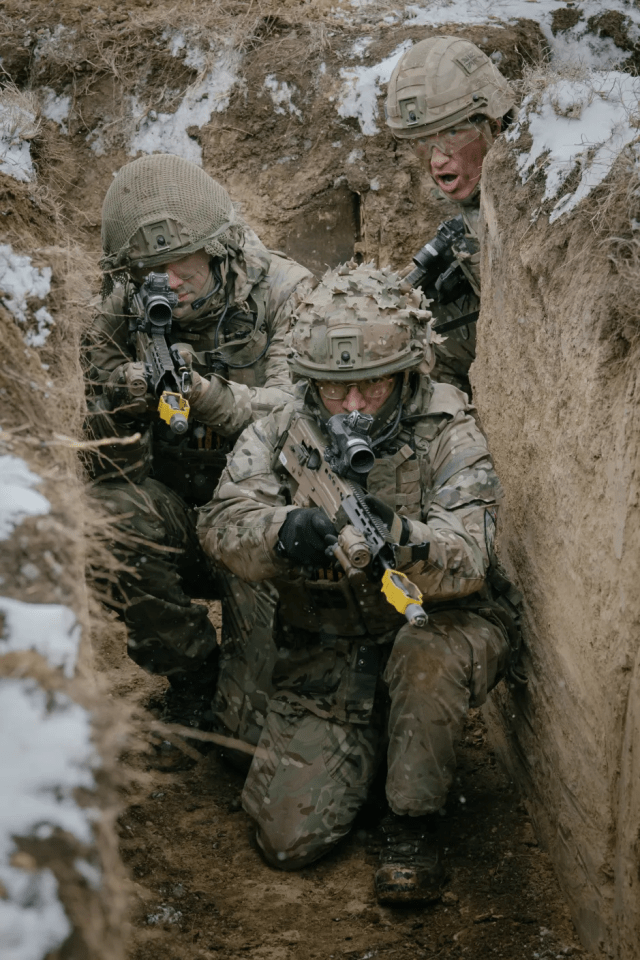
European leaders are discussing organizing international peacekeeping forces to send to Ukraine.
The coalition being formed under the leadership of Keir Starmer and Emmanuel Macron plans to provide part of European protection.
In the lead-up, 10 European countries expressed readiness to send their troops to Ukraine after a ceasefire agreement is signed, Bloomberg reports.
However, many experts warn that such an initiative could result in political and economic fiascos.
 Getty
Getty
Colonel Philip Ingram, a former army intelligence officer and NATO planner, stated: 'There will not be much national peacekeeping force in Ukraine because the cost will be enormous.'
'An international peacekeeping mission requires the ability to enforce an agreement,' he added. 'And ensuring peace means you must have the capability to attack any side that violates the agreement.'
'And that, most often, will be Russia, and you need to be politically ready to attack them. But that will not happen.'
Read also
- Trump Urges Zelenskyy to Take Bolder Steps: Key Takeaways from the G7 Summit
- Russia Signals Readiness for Talks: Kremlin Sets a Key Condition
- No Confirmation from Poland on Zelenskyy’s Absence at Gdańsk Conference: What We Know
- Zelenskyy Salutes Ukraine's Alpha Unit on Its 32nd Anniversary: Special Forces Have Destroyed Thousands of Russian Military Assets
- Nearly 1,900 Russian Tanks Destroyed by SBU Alpha Unit: Zelenskyy Reveals Enemy Losses
- Ukraine Sets a Condition for Direct Talks with Russia, Envoy Melnyk Reveals