Iran's Supreme Leader Acknowledges Thousands Killed in Protests: What the Real Numbers Reveal.

Iran's Protests: Acknowledging Casualties and the Government's Response
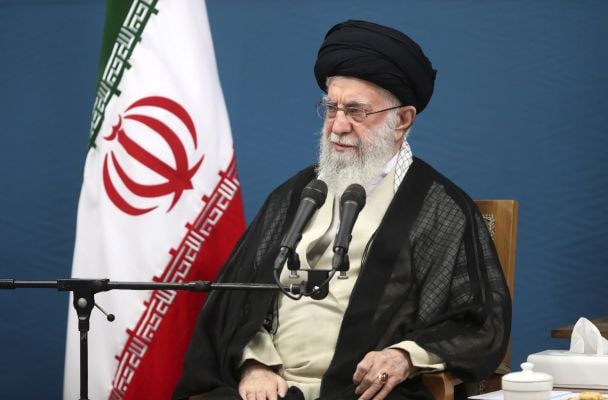
According to TSN.ua: In a rare admission, Iran's Supreme Leader Ayatollah Ali Khamenei has stated that several thousand people died during nationwide protests, while absolving the security forces of blame. Human rights groups, however, put the death toll at a minimum of 3,095. These protests, the largest the country has seen in nearly 50 years, erupted on December 28, 2022, fueled by deep-seated economic grievances. The scale of the unrest reflects widespread public discontent with the ruling establishment.
By harming people, they killed several thousand of them. - Ali Khamenei
Commenting on the situation, the Supreme Leader conceded the high casualty figure but did not accept responsibility for the actions of security personnel, whom he claimed were not at fault for protester deaths. Human rights monitors have documented that over 10,000 individuals were detained during the crackdown, highlighting the severity of the state's response and the ongoing political tension within Iran.
The Domestic and International Impact of the Unrest
The events have generated significant repercussions both inside Iran and internationally. Khamenei also pointed to external factors, labeling the U.S. President a 'criminal for the victims and damages,' a move analysts see as an attempt by the Iranian leadership to deflect attention from domestic failures. The protests remain a pivotal issue as the population continues to demand systemic change and economic improvements.
Khamenei's acknowledgment of a substantial death toll may indicate the regime's awareness of the serious public discontent. Simultaneously, the effort to shift blame onto foreign powers suggests a desire to avoid internal accountability and refocus on external threats. The situation in the country remains volatile, and its future trajectory could have profound implications for Iran's political stability and its relations with the wider world.
Read also
- Belarus Warned of 500 Pre-Identified Targets If It Joins Attack, Says Ukrainian Official
- How Pakistan Became a Key Mediator Between the U.S. and Iran: Trump Extends the Ceasefire
- NATO Backs Strikes on St. Petersburg During Forum: Rutte’s Statement from Kyiv
- Which NATO Countries May Host New US Nuclear Weapons as Washington Expands European Arsenal
- Hungary clears the path: Ukraine and Moldova to launch first EU negotiation cluster on June 15
- NATO Confirms Nearly $60 Billion in Weapons for Ukraine: Key Decisions Reached in Kyiv