How Pakistan Became a Key Mediator Between the U.S. and Iran: Trump Extends the Ceasefire.

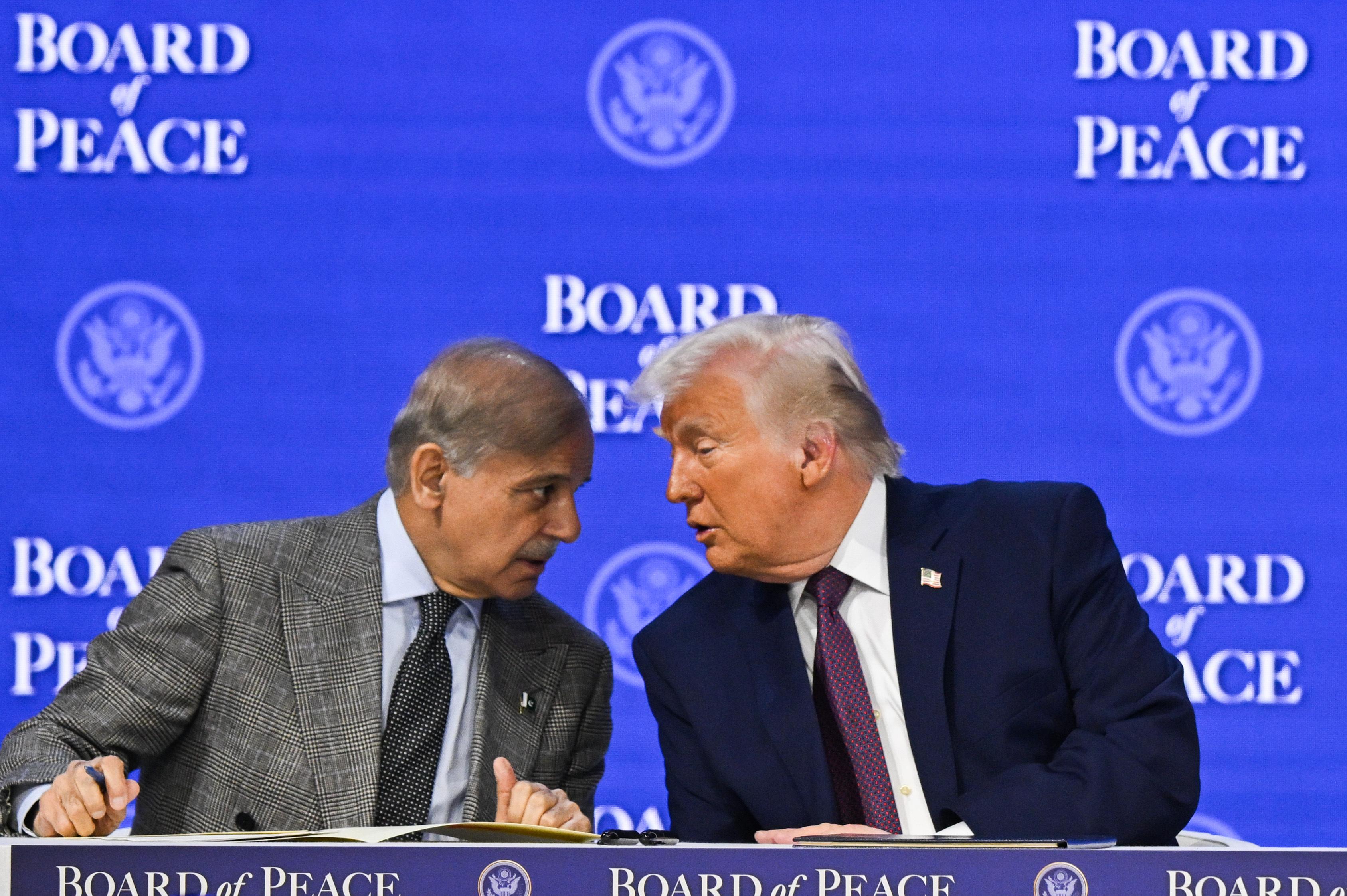
Pakistan Steps Up as Mediator in the U.S.-Iran Conflict
According to Vox - Загальний: Pakistan has taken on a crucial intermediary role between the United States and Iran, particularly following recent ceasefire negotiations. The Trump administration shifted its stance toward Islamabad, enabling the country to emerge as a central player in peace talks. In early April 2026, a two-week truce between the two nations was announced by Pakistani Prime Minister Shehbaz Sharif. Later, on April 21, Trump confirmed an extension of the ceasefire at Pakistan’s request, signaling growing international trust in the country’s diplomatic capabilities.
Risks and Hurdles Facing Pakistan
A key figure in these negotiations has been Pakistan’s top military leader, Marshal Asim Munir. He has made multiple trips to Iran as part of his mediation efforts, including two visits, the most recent on May 21, 2026. These actions underscore Pakistan’s proactive role in de-escalating tensions between Washington and Tehran. Donald Trump even expressed gratitude toward Pakistan, stating:
“I thank Pakistan and its wonderful prime minister and marshal—two fantastic people!”
Still, despite its diplomatic wins on the global stage, Pakistan faces serious internal and regional challenges. The prolonged nature of the conflict, combined with domestic issues such as:
- the arrest of an ISIS operative on March 23, 2025;
- a suspected mastermind behind the Kabul attack;
- a nuclear defense pact signed with Saudi Arabia in 2025;
- and a brief war with India.
These factors cast doubt on the stability of the situation. While Pakistan’s role in resolving the U.S.-Iran conflict highlights its growing importance on the international stage, internal problems and regional tensions could undermine its ability to sustain successful negotiations. For Pakistan to maintain its influence, it must navigate these challenges carefully, as its mediation efforts could significantly shape the broader dynamics between major powers like the United States and Iran.
Read also
- Iran Crisis Deepens: Why a Military Solution Is Inevitable, According to an Expert
- Why Rubio’s Call to Protect Shipping in the Strait of Hormuz Matters for Global Security
- Economics and Security Top the Agenda in Burnham-Trump Call
- Trump Endorses Sanctions and PAC-3 Licenses, Signaling a US Policy Shift on Ukraine
- Ukraine Secures Patriot License as Lockheed Martin Unveils $2 Million Missile
- Trump Urges Congress to Combine Russia and Iran Sanctions Into One Bill