Why Adults Are Being Diagnosed with ADHD and How It's Treated.

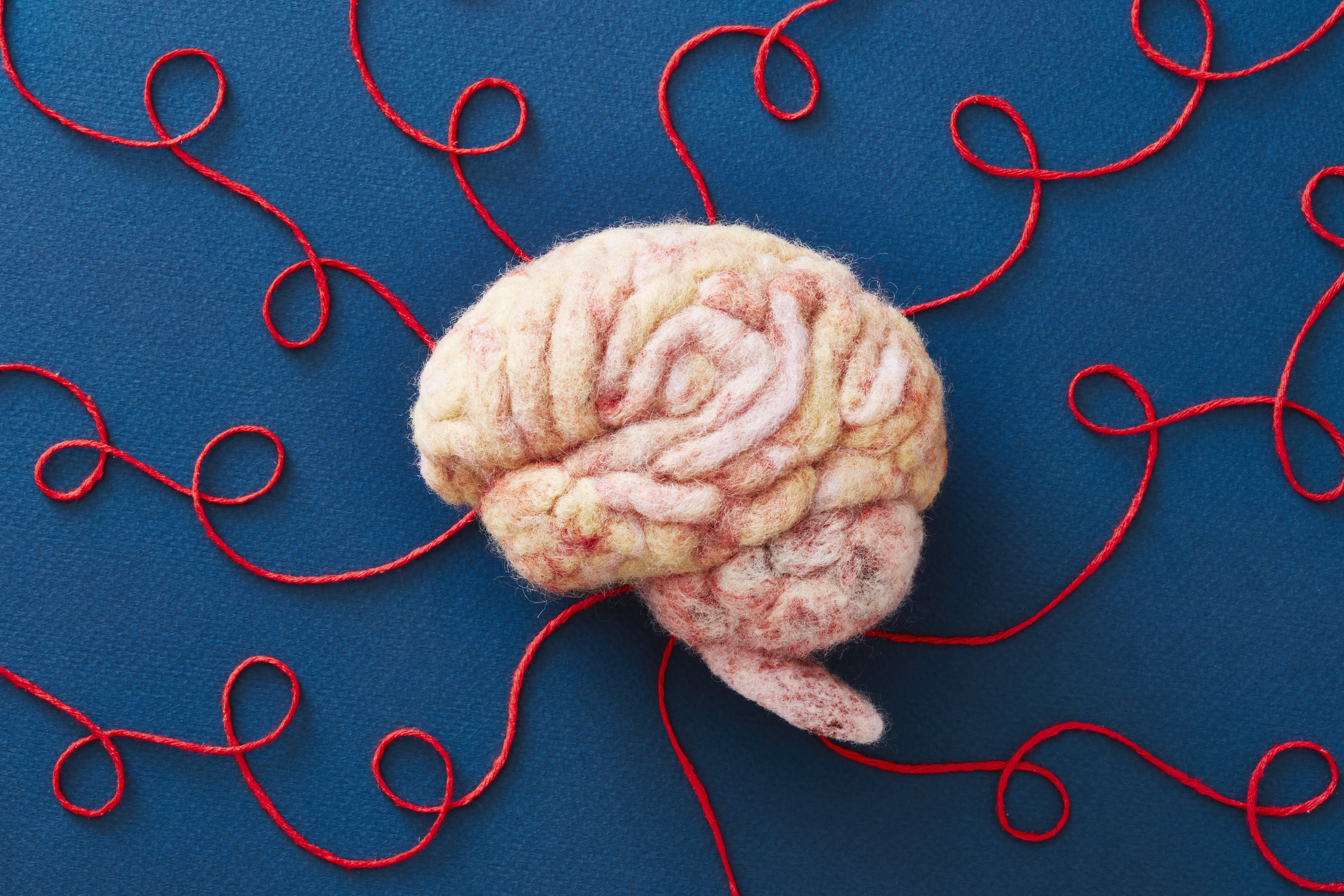
Attention-Deficit/Hyperactivity Disorder (ADHD)
According to Vox - Загальний: Attention-Deficit/Hyperactivity Disorder (ADHD) is a condition not confined to childhood; it is frequently diagnosed in adults as well. In the United States, over 15 million adults have this diagnosis, with approximately half receiving it for the first time in adulthood. This highlights the critical need to understand and diagnose ADHD in adults, as symptoms persist into later life for about 50% of those affected. For an English-speaking audience, it's important to note that increased awareness and evolving diagnostic criteria have driven a significant rise in adult diagnoses in recent decades.
The History and Treatment of ADHD
The first documented clinical case resembling ADHD was described by the German physician Melchior Adam Weikard in 1775. Later, in 1968, ADHD was formally included in the U.S. diagnostic system, marking a major milestone in recognizing and treating the disorder. Research indicates that genetic factors play a substantial role, with roughly 80% of ADHD symptoms being heritable.
Treatment for ADHD can involve medications, including stimulants and non-stimulants, alongside cognitive-behavioral therapy and transcranial magnetic stimulation. As Laura Knowles notes,
"symptoms may be due to ADHD, but they could also result from other mental health disorders or lifestyle factors."This underscores the necessity for thorough assessment, as she points out, "it can be both overdiagnosed and underdiagnosed." Accurate diagnosis is therefore essential for effective management.
Consequently, recognizing ADHD symptoms in both children and adults is vital to ensure timely diagnosis and appropriate treatment. A deeper understanding of this disorder and its impact can significantly improve the quality of life for those living with it. Growing awareness of how ADHD affects adult life is fostering new approaches in both diagnosis and therapy, offering crucial support in a modern society where demands on focus and productivity are ever-increasing.
Read also
- Heatwave Death Toll in France Surges 122% Above Normal Levels
- Ukraine's Smoking Population Drops Sharply: From 8.5 Million to 6.6 Million in Six Years
- Swimming Banned at Lake in Lviv Region After Infection Outbreak Hospitalizes 20 Children
- Mykolaiv Region Faces 20% Doctor Shortage: Officials Offer State Housing as Incentive
- U.S. Mortality Hits Historic Low as Life Expectancy Climbs to 79 Years
- G1 Geomagnetic Storm Forecast for July 4: What It Means for Ukraine