Lung Cancer Surge Predicted After Kyiv Strike: Doctor Warns of 'Burned Air' Danger.

Cancer Risks from Air Pollution on the Rise
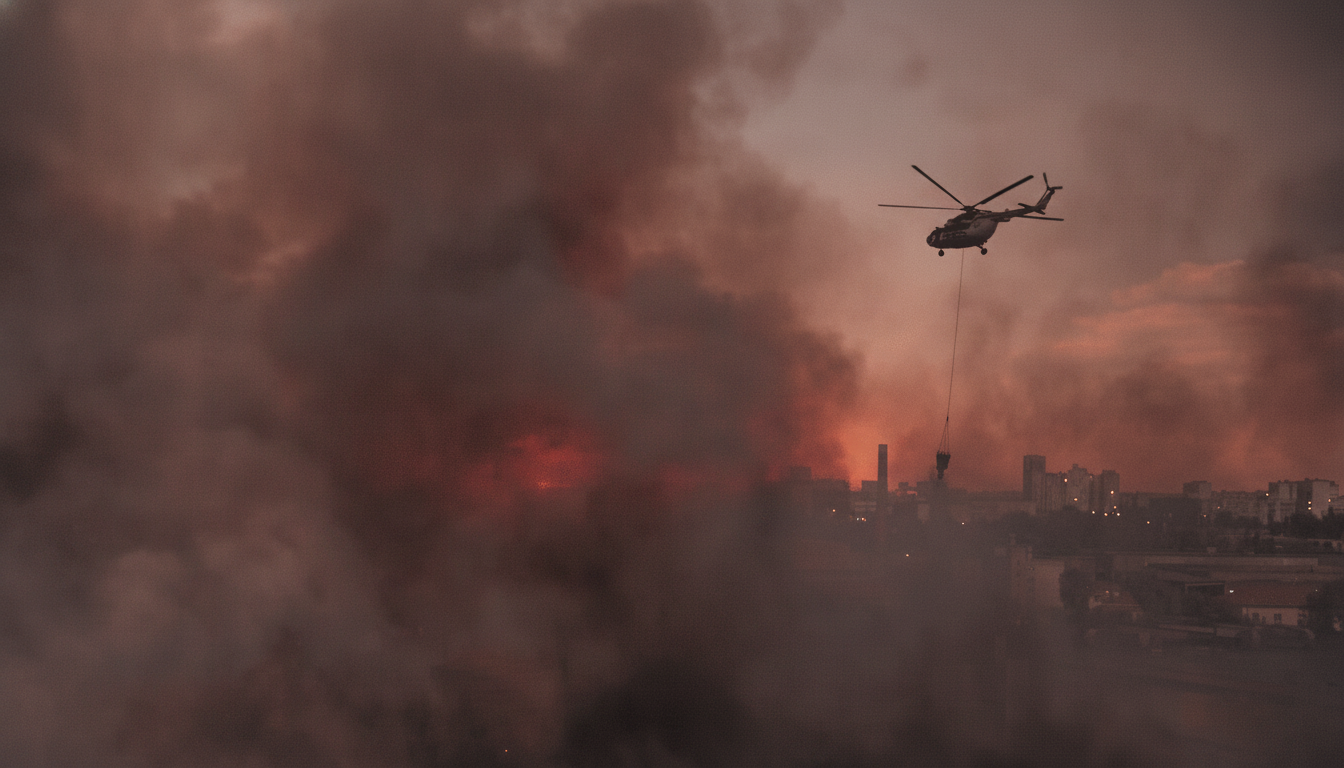
According to Novyny.live: Pulmonologist Rostyslav Lyubevych has warned that air contaminated with combustion byproducts from Russian attacks could lead to a rise in cancer cases, particularly lung cancer. Prolonged exposure to this polluted air, he explains, significantly increases the likelihood of developing malignancies. In recent years, lung cancer has been increasingly diagnosed in patients under 70—a shift from the past when it was predominantly found in people over 70.
The specialist noted a marked increase in cancer incidence since the war began, including a rise in central cancer gene activity. This suggests that air pollution from shelling may have severe long-term health consequences for the population. For context, a Russian strike on Kyiv on July 2 killed 30 people and wounded nearly 100. These events underscore the critical need for civilian safety, as Kyrylo Budanov emphasized, stating that
“civilian safety must remain a priority”.
Urgent Need to Address Air Pollution Threats
Given these circumstances, it is essential to monitor air quality and take steps to mitigate pollution-related risks. Experts are calling for greater awareness of how contaminated air affects health, especially during wartime. Lung cancer, now more frequently found in patients starting at age 40, is becoming an increasingly urgent issue that demands prompt action from healthcare institutions and authorities.
As the war continues with numerous attacks, it is crucial to consider not only the immediate impact on life and health but also the long-term environmental risks. The growing number of lung cancer cases among younger patients points to the need for measures to improve air quality and reduce exposure to hazardous emissions. How medical facilities and government bodies respond to this threat will be key to safeguarding public health during the conflict.
Read also
- Ukraine Appoints New Commander-in-Chief: Mykhailo Drapatyi Replaces Oleksandr Syrskyi
- After a Clash Between Fedorov and Syrskyi, Ukraine’s Defense Minister Resigns: What Comes Next?
- Zelenskyy's Decision on Syrskyi: Who Replaced Yermak in the Security Shuffle
- Turkey and Ukraine’s Budanov Discuss Reviving Peace Talks to End the War
- Former Minister Sobolev Takes on New Role in the President’s Office: What He Will Be Working On
- Europe Launches 'Anti-Ballistic Coalition' Freyja: What We Know About the New Initiative