How to properly apply a protective glass on a smartphone: step-by-step instructions.


Correctly installed protective glass extends the life of the smartphone screen and preserves its attractive appearance. There are tips that will help you handle this task without any unnecessary problems.
How to choose and install the glass
First, determine which protective glass suits your needs: they vary in thickness, hardness, and flexibility. Choose products with good reviews and a quality set — cheap options from online stores may only have one-sided film and low-quality wipes, complicating the installation process.
Before starting the installation, prepare your workspace. Clear the table surface of unnecessary items, wipe it to avoid dust settling, and ensure adequate lighting with a desk lamp if natural light is insufficient.
Without peeling off the protective film, place the glass on the screen and make sure that the cutouts for the speaker, front camera, or button align. If the accessory is slightly shorter or narrower (by 2-3 mm), immediately consider how to evenly distribute the gaps on both sides.
- Wipe the screen with the alcohol wipe from the kit, especially along the edges and in the corners;
- Remove dust with a microfiber cloth, using a sticky sticker.
Holding the glass by the edges, carefully remove the film, align it with the body, and slowly lower it. The sticky surface adheres to the screen by itself, and if bubbles appear, remove them with a cloth or plastic card from the center to the edges. Small bubbles often disappear within a few minutes.
If you make a mistake, gently lift the edge with a nail or toothpick, remove the excess material with the sticker, and press the glass back down without damaging the sticky layer. If you installed it crookedly, proceed similarly: quickly remove it and realign.
Protective glass is not only an accessory but also an investment in the durability of your smartphone. By following the recommendations provided, you will protect the screen from scratches while saving on potential repairs.
Remember that a smartphone that operates every day can fill up with temporary files, leading to decreased performance. Regular reboots help free resources and avoid crashes.
It is also worth remembering that even a smartphone with a large memory can quickly fill up with media files and apps, resulting in slow operation and reduced free space.
Overall, installing protective glass is an important procedure for keeping your smartphone screen in optimal condition. By following the step-by-step tips and recommendations, you can avoid many problems and extend the lifespan of your device's screen.
Read also
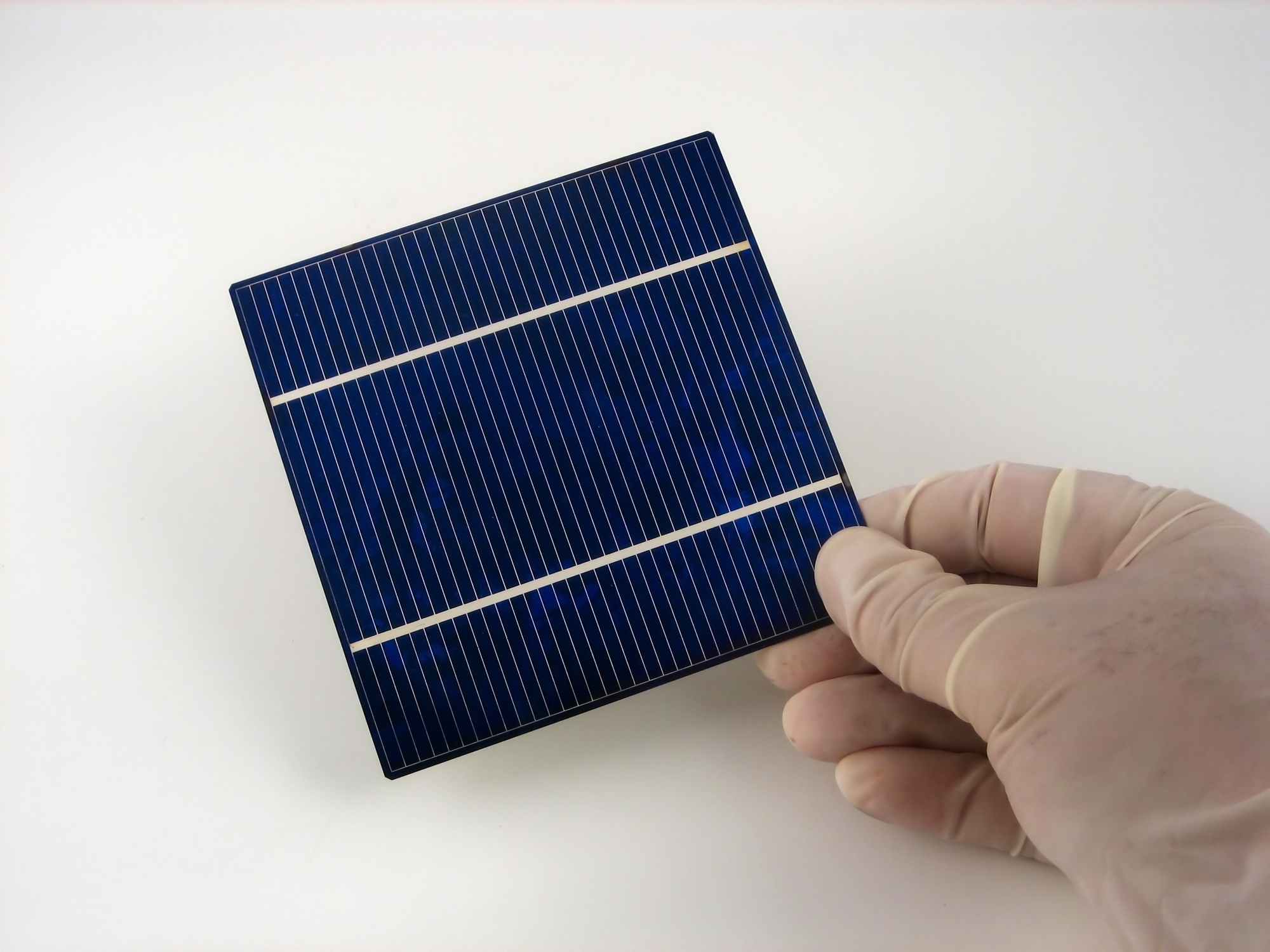
- Antique Musket Balls Repurposed Into Solar Cells with 94% Efficiency
- South Korea Patents a Silent Engine for Air Taxis
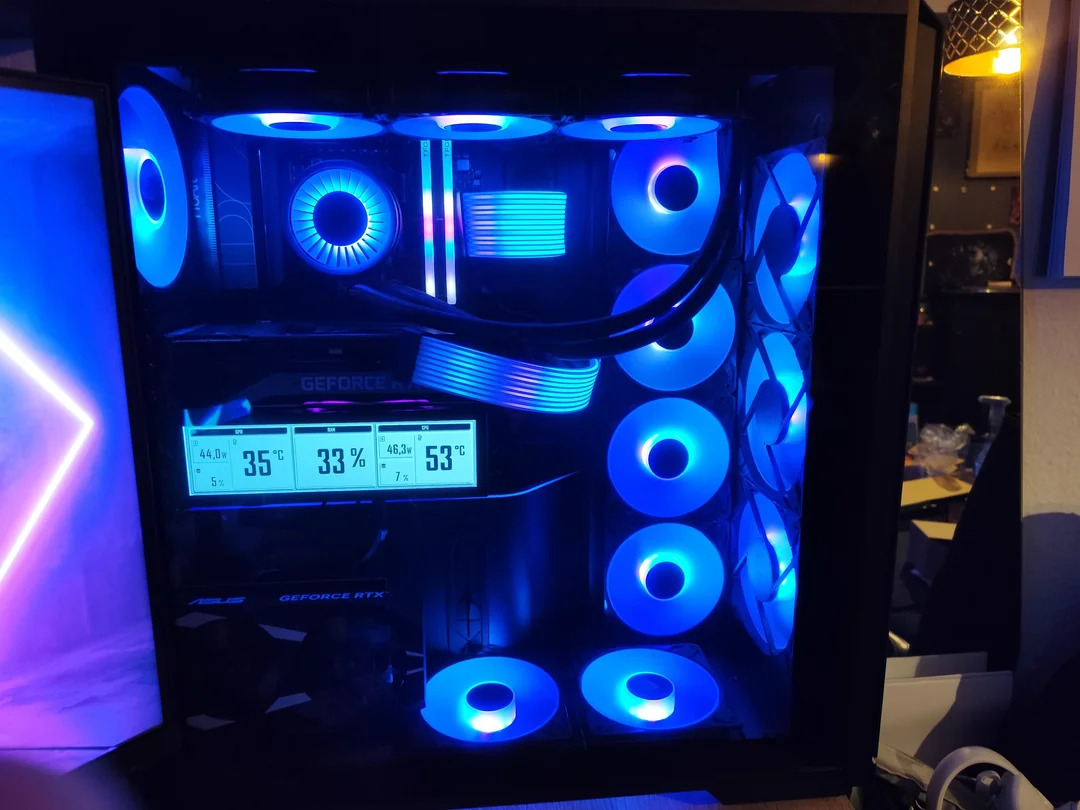
- 144 FPS at 4K: A Gamer Pairs an RTX 3090 and RTX 3050 for Stunning Performance
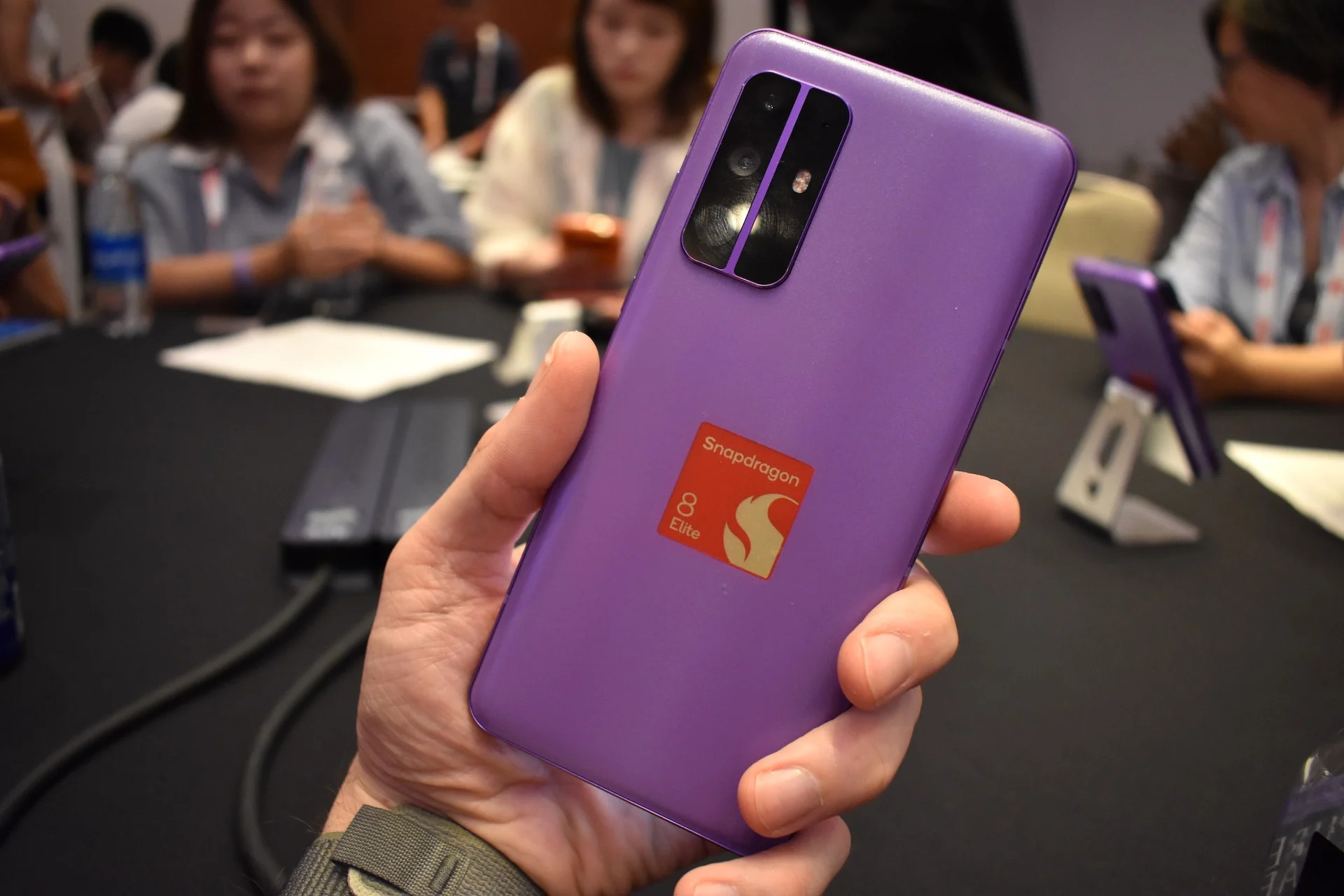
- Snapdragon 8 Elite Gen 5: Qualcomm’s New Chip Targets Sub-$600 Smartphones
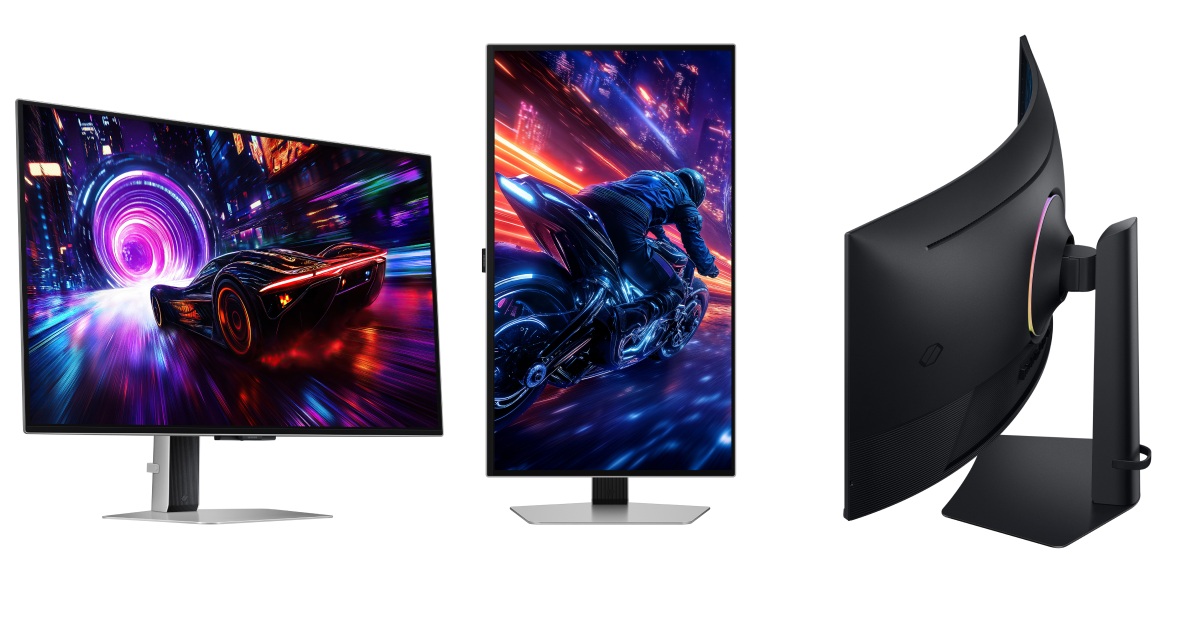
- Samsung Unveils Three New Odyssey Gaming Monitors: Specs and Features Revealed
- Plastic Waste Converted into Jet Fuel: New Breakthrough by Chinese Researchers