Plastic Waste Converted into Jet Fuel: New Breakthrough by Chinese Researchers.

A Novel Approach to Turning Plastic Waste into Aviation Fuel
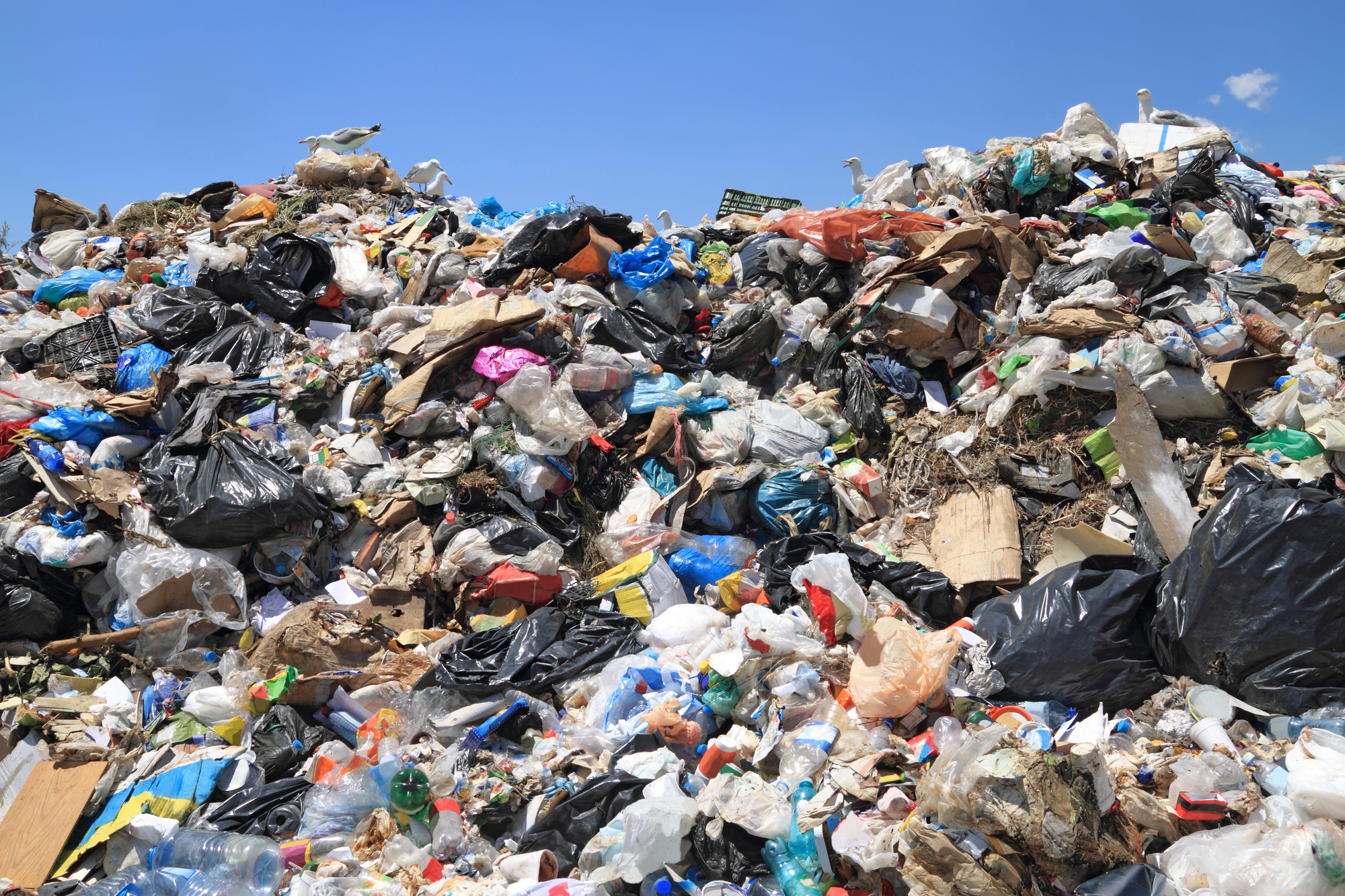
According to ITC.ua — Техно: Researchers at Fudan University in China have developed a low-cost method for converting plastic waste into aviation fuel, focusing on the hydrogenolysis of polyolefins. Using a cobalt and nickel catalyst, the technique could reduce both expenses and environmental emissions, though further development is needed before it can be applied at scale. With global plastic production exceeding 460 million tons annually and polyolefins making up the bulk of plastic waste, this innovation addresses a critical environmental challenge.
Conducted in partnership with the Shanghai Institute, the study achieved a liquid yield of 82.3% under mild reaction conditions. The selectivity for C8–C16 alkanes—the carbon range suitable for aviation fuel—reached 79%, highlighting the potential of this new approach to transform waste into a valuable resource.
The Growing Push for Green Technologies
Targeting hard-to-recycle waste like plastics is a key step in reducing pollution. Still, various obstacles remain before this method can be widely implemented. Meanwhile, Clean Planet Technologies has opened the world’s first dedicated pilot plant for sustainable aviation fuel (SAF) in Kent, UK, marking an important milestone in advancing technologies that repurpose plastic waste and lessen its environmental impact.
Developing new ways to turn plastic waste into useful products like jet fuel offers a promising response to the global pollution crisis. Widespread adoption of such methods could significantly cut the volume of plastics entering ecosystems each year. The parallel launch of the UK pilot facility underscores growing momentum behind eco-friendly technologies and their potential to combat climate change.
Read also
- Snapdragon 8 Elite Gen 5: Qualcomm’s New Chip Targets Sub-$600 Smartphones
- Samsung Unveils Three New Odyssey Gaming Monitors: Specs and Features Revealed
- First-Ever U.S. Manufacturing of Ukrainian MAGURA Drones: Key Details Emerge
- Google to Build America's Largest Solar Farm: 2.5 GW Facility to Power Data Centers
- Turn Your Old Phone Into a Smart Display: Inside the New ScreenWall Web Platform
- Speed Record Set by Bombardier Global 8000: Los Angeles to Farnborough in Just 8 Hours 46 Minutes