A Nutritional Breakdown: Comparing Calories and Nutrients in 7 Types of Bread.

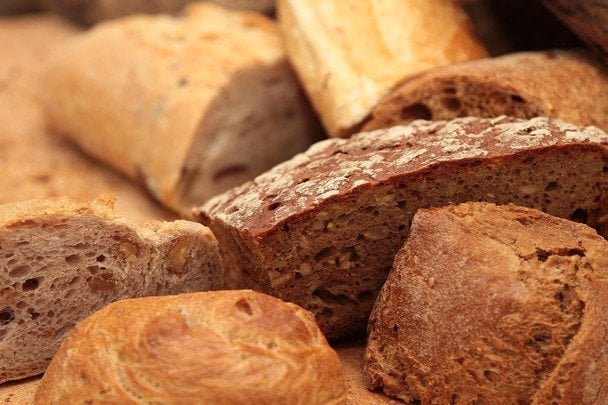
Bread's Role in Modern Diets
According to TSN.ua: Bread remains a staple food, with its many varieties offering distinct health benefits and nutritional profiles. Studies indicate that consuming high-quality bread regularly can improve glycemic control, making it a valuable component of a balanced diet for many. Nutritionists advise paying close attention to a bread's ingredients and composition to maximize its health advantages.
Nutritious Bread Varieties
Sprouted whole grain bread is a highly nutritious option. A serving contains 71 kcal, 5g of protein, 0g of fat, 12.9g of carbohydrates, and 2g of fiber. Another excellent choice is whole grain sourdough, which provides 120 kcal, 4g of protein, 3g of fat, 20g of carbohydrates, and 2g of fiber. 100% whole wheat is also a good selection, containing 80 kcal, 4g of protein, 1.1g of fat, 13.7g of carbohydrates, and 1.9g of fiber.
- Oat bread: 100 kcal, 3g protein, 0.5g fat, 20g carbohydrates, 1g fiber.
- Flaxseed bread: 110 kcal, 5g protein, 1.5g fat, 20g carbohydrates, 1g fiber.
- 100% sprouted rye bread: 140 kcal, 3g protein, 1g fat, 28g carbohydrates, 6g fiber.
- Whole grain gluten-free bread: provides a comparable calorie and fiber count.
Experts recommend selecting 100% whole grain options and avoiding breads made with enriched flour or added sugars. It's important to look for bread with at least 2–3g of fiber per serving and to prefer products with low sodium content. Including varieties with different seeds can add extra nutritional value. For those managing calorie intake, choosing thinner slices is a practical strategy.
Therefore, selecting the right type of bread can significantly impact overall health. By focusing on its composition and nutritional value, you can better meet your body's needs and enhance your quality of life. With the rise of low-carb and gluten-free diets, understanding bread's true nutritional profile is more relevant than ever.
Given the growing focus on healthy eating, choosing quality bread has become a key dietary consideration for many. Incorporating the recommended bread varieties into your diet can support better glycemic control and overall well-being.
Read also
- Deadline Set for Ukrainians to Spend 2,000 Hryvnia Medical Check-Up Grant
- Earth Braces for Major Geomagnetic Storm on June 8: What to Expect
- New Drug Doubles Survival in Pancreatic Cancer Patients: A Breakthrough in Treatment
- Flesh-Eating Parasite Discovered in Texas for First Time Since the 1980s—What It Means for the U.S
- Bacteria on Paper Money: How Long They Survive, Warns Doctor
- Military Personnel and Veterans Eligible for Spa Stay Reimbursements: What You Need to Know