Engine Pistons: The Critical Choice Between Aluminum and Cast Iron.

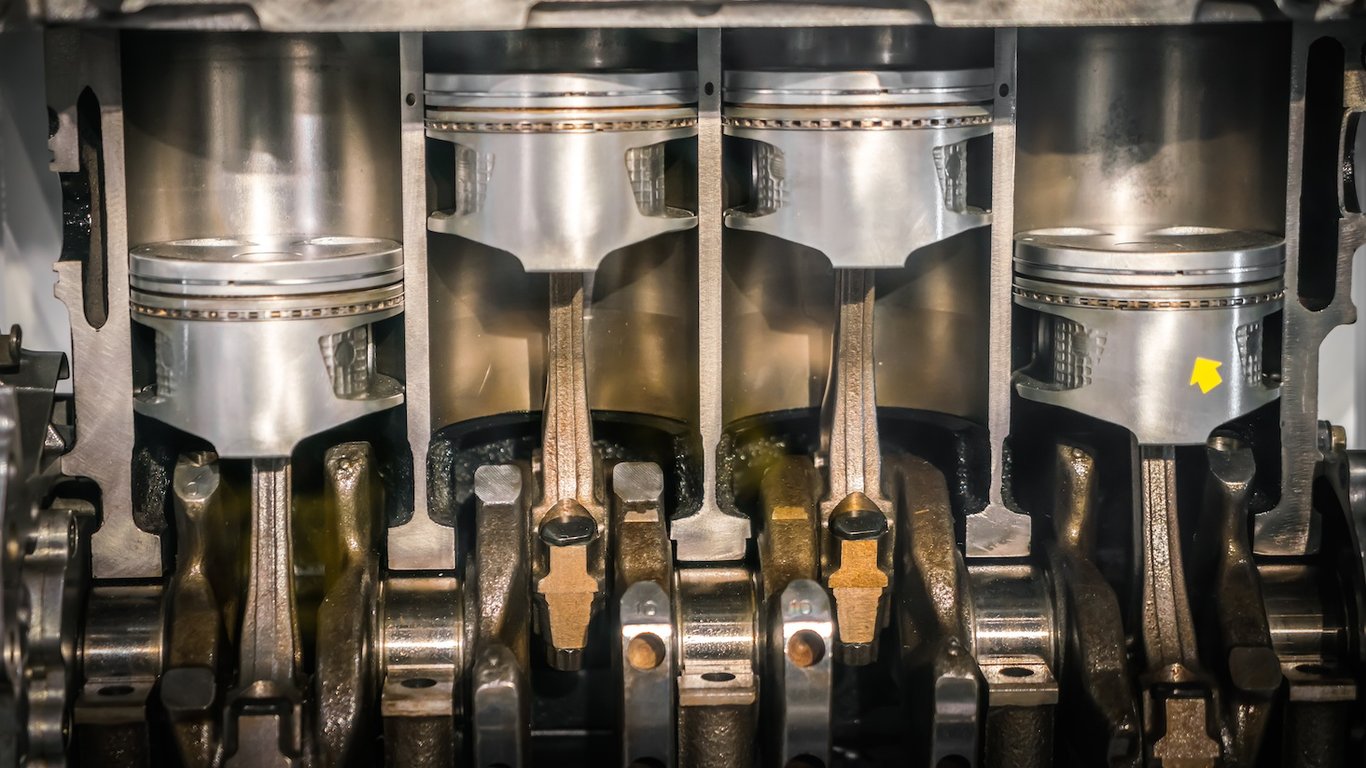
Why Piston Material Matters: Aluminum vs. Cast Iron
According to Novyny.live: The material used for engine pistons is a fundamental design decision, directly impacting an engine's performance, efficiency, and durability. This analysis compares the two primary contenders: aluminum and cast iron, each offering distinct advantages and trade-offs for automotive engineers.
Strengths and Weaknesses of Each Material
Aluminum pistons are prized for their light weight and superior heat dissipation. This is crucial in high-performance engines, where forged aluminum components enhance power output and responsiveness. For instance, Mercedes-Benz AMG vehicles utilize such pistons, underscoring their technological merit. The reduced mass also improves overall vehicle dynamics and fuel economy.
In contrast, cast iron provides exceptional strength and stable operation under immense pressure. This makes it the ideal choice for demanding applications like diesel generators and marine engines, where extreme durability is non-negotiable. Cast iron pistons are renowned for their reliability and ability to withstand harsh operating conditions.
Manufacturing techniques further influence application. Mass-produced cast pistons are common in standard passenger cars, while Formula 1 prioritizes the forging process to achieve the highest possible performance characteristics.
As explained to Autosvit by Oleksandr Chalenko, Head of the Service Department at UKRAVTO GROUP, the selection of piston material is a critical consideration during the engine design and manufacturing process.
Ultimately, the choice between aluminum and cast iron hinges on the specific application, balancing priorities for performance, efficiency, and ruggedness. For automotive enthusiasts, this engineering decision is a key factor behind an engine's character, influencing everything from throttle response in a sports car to the relentless endurance of industrial machinery.
This material selection remains pivotal for automakers, directly dictating engine behavior and overall vehicle capability. While aluminum's lightness and cooling efficiency make it increasingly popular for sport and high-performance models, cast iron remains indispensable for heavy-duty use where maximum reliability is paramount. The ongoing tension between lightness and endurance continues to drive innovation in automotive engine technology.
Read also
- Antique Musket Balls Repurposed Into Solar Cells with 94% Efficiency
- South Korea Patents a Silent Engine for Air Taxis
- 144 FPS at 4K: A Gamer Pairs an RTX 3090 and RTX 3050 for Stunning Performance
- Snapdragon 8 Elite Gen 5: Qualcomm’s New Chip Targets Sub-$600 Smartphones
- Samsung Unveils Three New Odyssey Gaming Monitors: Specs and Features Revealed
- Plastic Waste Converted into Jet Fuel: New Breakthrough by Chinese Researchers