After 40 Years of Use: The Unsettling Truth About Antidepressant Withdrawal and Dependence.

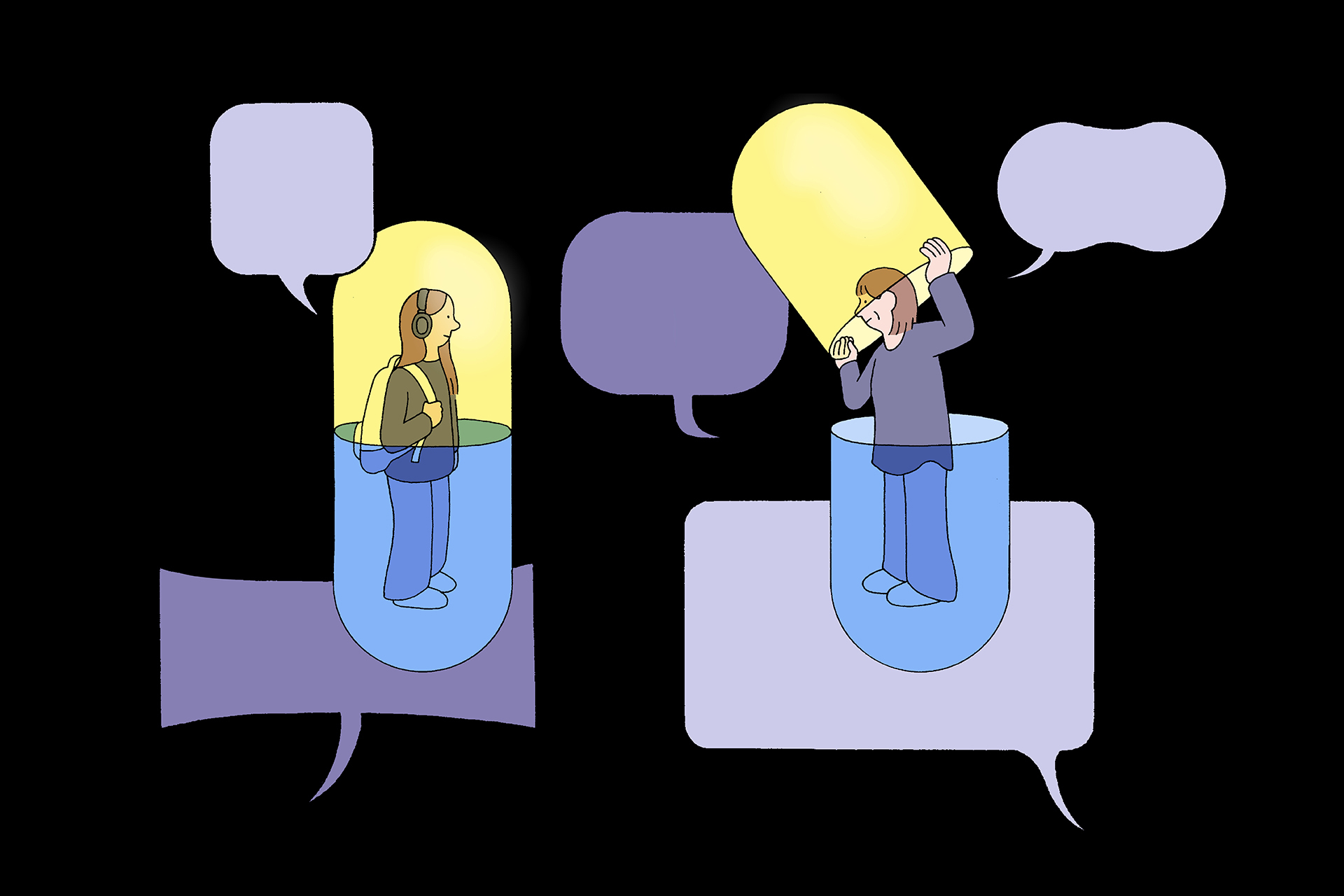
The Long-Term Use of Antidepressants
According to Vox - Загальний: The issue of long-term antidepressant use is a significant and often overlooked challenge in psychiatry, particularly concerning the risks of dependence and withdrawal. Awais Aftab, a professor of psychiatry at Case Western Reserve University, emphasizes that discontinuing these medications can lead to physical dependence. This presents a serious problem for the many patients who rely on them for extended periods. The widespread prescription of these drugs makes understanding their long-term effects a critical public health concern.
Antidepressant Withdrawal Symptoms
Withdrawal from antidepressants can manifest through a wide array of distressing symptoms. These commonly include:
- Dizziness
- Nausea
- So-called 'brain zaps'
- Irritability
- Insomnia
Such symptoms frequently cause significant anxiety for patients attempting to reduce or stop their medication. As Awais Aftab notes:
“The uncertainty you are feeling is absolutely legitimate, and you are not alone in this.” - Awais Aftab
Despite Prozac receiving approval over 40 years ago, there remains a stark lack of high-quality, randomized controlled trials investigating safe methods for antidepressant discontinuation. This gap in research alarms experts, who argue that proper study of iatrogenic harm—injury caused by medical treatment itself—must become a genuine funding priority.
Open dialogue between patients and healthcare providers is essential. These conversations can help mitigate the risks associated with long-term antidepressant use and pave the way for safer treatment protocols. The growing focus on mental wellness globally makes these discussions more urgent than ever.
The topic of prolonged antidepressant use is gaining prominence amid increased societal attention to mental health. Frank discussions about withdrawal risks and symptoms can foster better understanding for both patients and clinicians, ultimately helping to reduce potential negative outcomes. The current scarcity of research in this area underscores a pressing need to intensify scientific work dedicated to the safety of treating mental health disorders.
Read also
- Ukraine's Smoking Population Drops Sharply: From 8.5 Million to 6.6 Million in Six Years
- Swimming Banned at Lake in Lviv Region After Infection Outbreak Hospitalizes 20 Children
- Mykolaiv Region Faces 20% Doctor Shortage: Officials Offer State Housing as Incentive
- U.S. Mortality Hits Historic Low as Life Expectancy Climbs to 79 Years
- G1 Geomagnetic Storm Forecast for July 4: What It Means for Ukraine
- What Science Reveals About Ultra-Processed Foods and Their Health Impact