Nearly Half of Wounded Soldiers Wait Over a Day for Evacuation: Inside Ukraine's Battlefield Rescue Efforts.

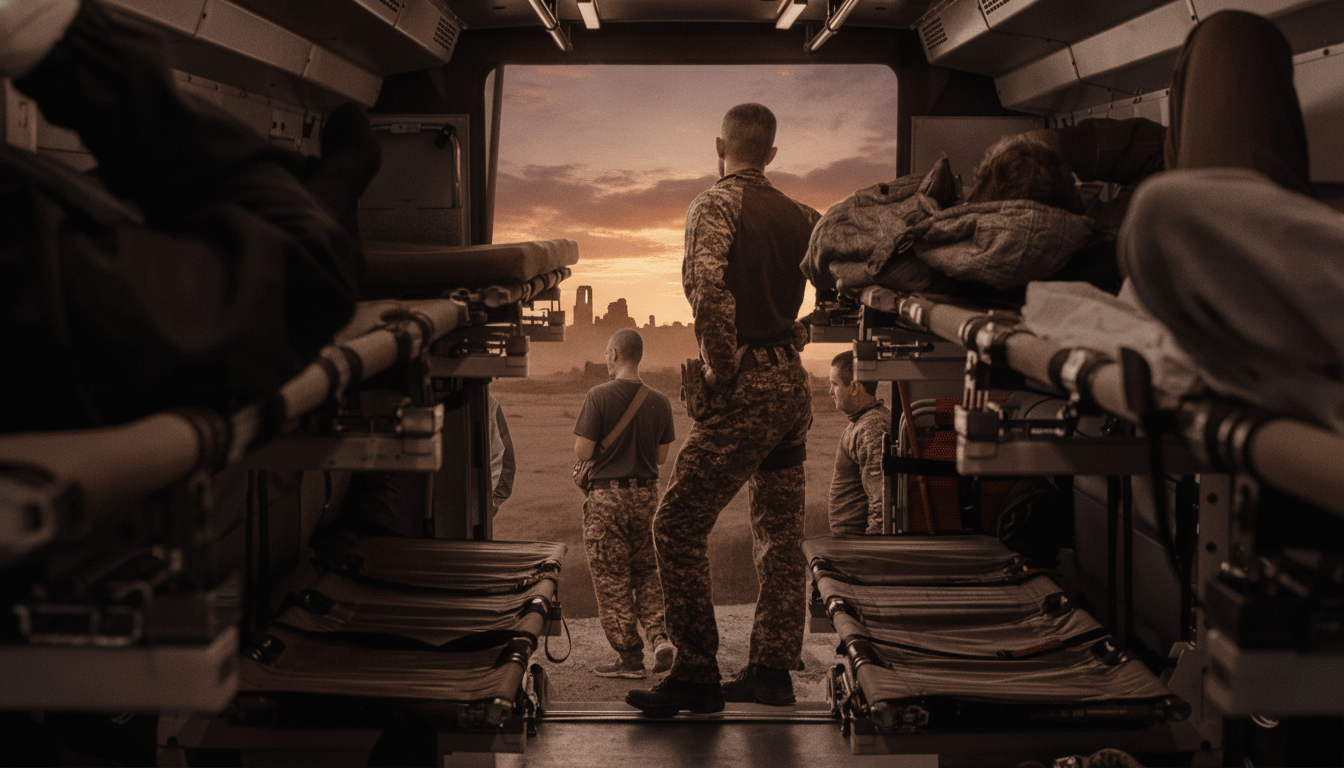
Fourth Ukrainian Tactical Medicine Forum
According to Novyny.live: The Fourth Ukrainian Forum on Tactical Medicine, titled 'Prolonged Casualty Care,' convened in Kyiv to address critical challenges in treating injured soldiers when evacuation is delayed. Organized by the Serhiy Prytula Charity Foundation, the event drew approximately 350 participants. Its central focus was on medical care protocols for situations where the wounded must endure wait times exceeding 24 hours before being transported to safety.
According to forum data, about 43% of injured Ukrainian troops genuinely experience evacuation delays longer than a day. This alarming statistic has raised serious concerns among medical professionals and volunteers, as extended wait times can significantly worsen patients' health outcomes. Discussions covered a range of strategies for delivering effective medical support under these constrained conditions—a vital topic for preserving soldiers' lives on the front lines.
Current Civilian Evacuation Efforts
Beyond military casualties, Ukraine continues to conduct various civilian evacuation campaigns amid active combat zones. For instance, on June 17, authorities announced evacuations in 23 settlements within the Dnipropetrovsk region, with plans to relocate nearly 3,800 children from the Synelnykove district. Similarly, mandatory evacuations were declared in the Chernihiv region starting July 1. These measures underscore the urgent need for robust evacuation systems and accessible medical care during wartime—key themes reinforced at forums like Prolonged Casualty Care.
The Prolonged Casualty Care forum serves as a vital platform for sharing expertise and best practices in tactical medicine, especially in conflict settings where rapid, effective medical intervention can mean the difference between life and death.
Forum discussions highlighted the pressing nature of evacuation delays for the wounded, calling for immediate action from medical services and government agencies. Amid ongoing hostilities, organizing efficient evacuations and delivering timely medical aid remain top priorities to ensure the safety of both civilians and military personnel.
Read also
- Heatwave Death Toll in France Surges 122% Above Normal Levels
- Ukraine's Smoking Population Drops Sharply: From 8.5 Million to 6.6 Million in Six Years
- Swimming Banned at Lake in Lviv Region After Infection Outbreak Hospitalizes 20 Children
- Mykolaiv Region Faces 20% Doctor Shortage: Officials Offer State Housing as Incentive
- U.S. Mortality Hits Historic Low as Life Expectancy Climbs to 79 Years
- G1 Geomagnetic Storm Forecast for July 4: What It Means for Ukraine