Japan's New Maglev Train Sets World Speed Record at 603.5 km/h.

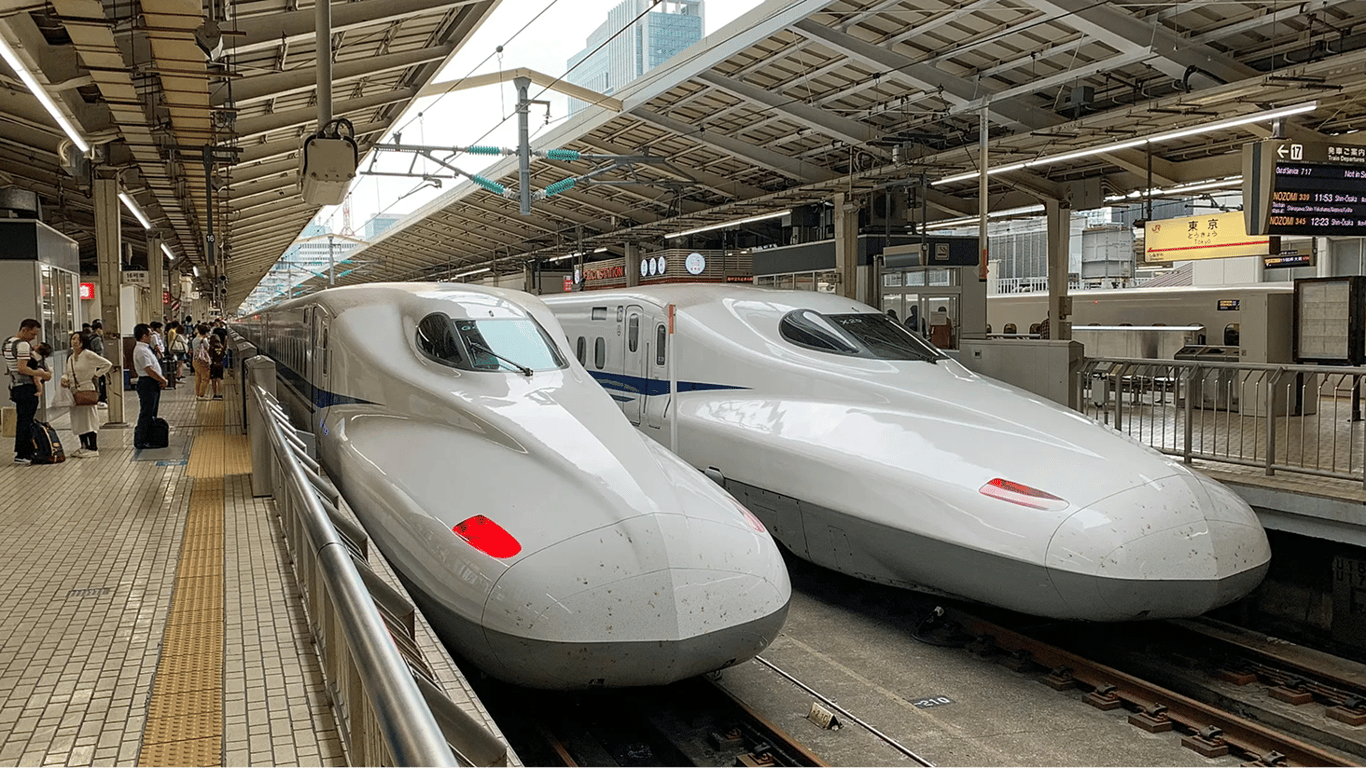
Japan Develops World's Fastest Train
According to Novyny.live: Central Japan Railway Company (JR Central) is developing the L0 Series train, a maglev (magnetic levitation) vehicle designed to reach a record-breaking speed of 603.5 km/h (375 mph). This revolutionary technology will drastically cut travel times between major cities; for instance, the journey from Tokyo to Nagoya will take just 40 minutes. Japan has long been a pioneer in high-speed rail, and this project represents its next major leap forward.
The L0 Series' projected speed significantly outpaces current high-speed rail systems around the globe, including:
- China's Shanghai Maglev, which has a top speed of 460.2 km/h;
- France's TGV;
- and Italy's AGV Italo, which operates between 306 and 354 km/h.
This innovation reinforces Japan's leadership in high-speed rail development. Travel time on the L0 Series' Chuo Shinkansen line will be far shorter than on other major routes, such as the 4 to 5-hour journey between London and Edinburgh. The introduction of such speeds could redefine long-distance travel and spur further technological advancements in railways worldwide.
Future Prospects for the L0 Series
While Japan is building the world's fastest trains, it remains an open question whether the L0 Series technology will be adopted in Europe. Nevertheless, Japanese engineers are clearly setting new global benchmarks for rapid transit.
The L0 project could become a major milestone in railway history, as increasing train speeds opens new possibilities for intercity travel by reducing journey times and enhancing passenger comfort.
The successful deployment of this technology may encourage other nations to invest in high-speed rail systems and implement new technological solutions. This, in turn, could lead to increased competitiveness within the global transportation sector.
Read also
- Antique Musket Balls Repurposed Into Solar Cells with 94% Efficiency
- South Korea Patents a Silent Engine for Air Taxis
- 144 FPS at 4K: A Gamer Pairs an RTX 3090 and RTX 3050 for Stunning Performance
- Snapdragon 8 Elite Gen 5: Qualcomm’s New Chip Targets Sub-$600 Smartphones
- Samsung Unveils Three New Odyssey Gaming Monitors: Specs and Features Revealed
- Plastic Waste Converted into Jet Fuel: New Breakthrough by Chinese Researchers