How to Access Your Funds When Bank Accounts Are Frozen Under Martial Law.

Accessing Bank Accounts During Wartime
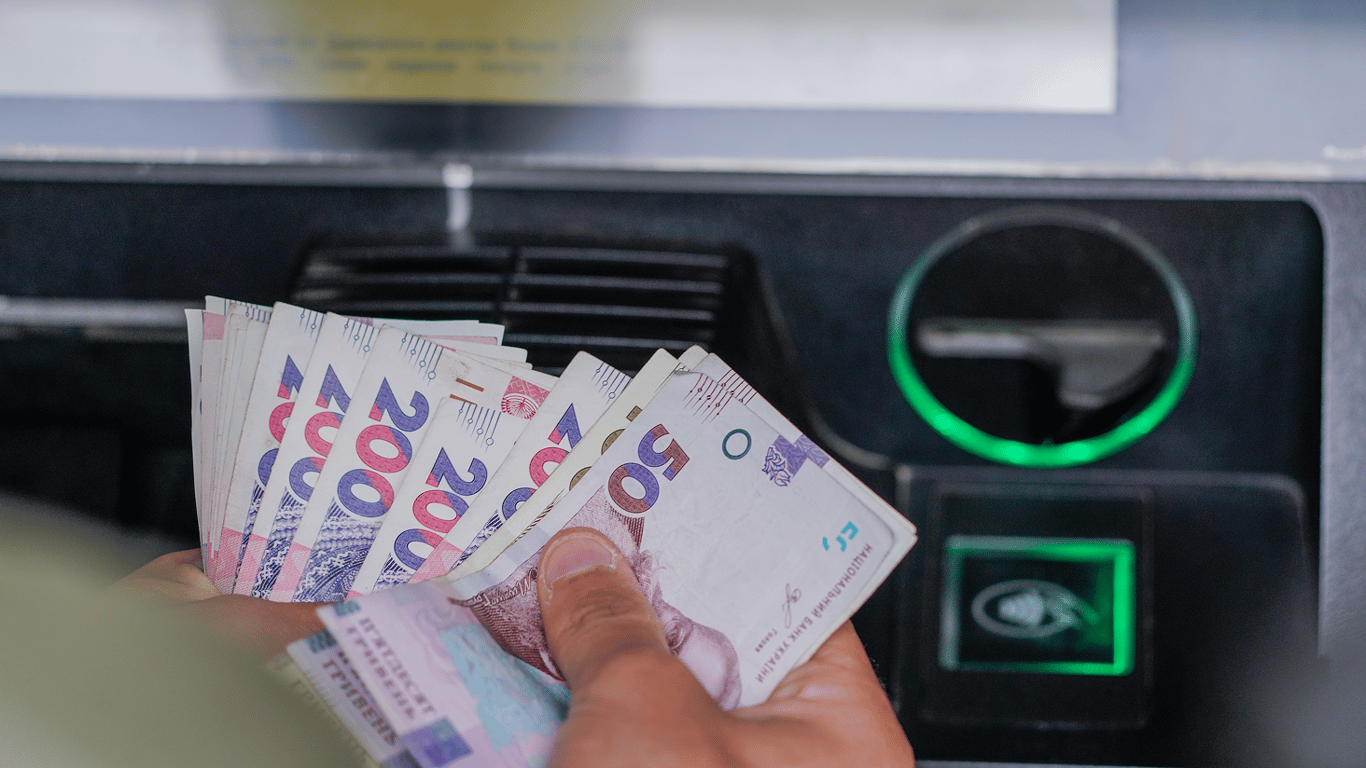
According to Novyny.live: Ukrainian debtors whose bank accounts have been frozen can still access a portion of their funds for essential needs, even under martial law. This is a critical financial safeguard during the ongoing conflict. According to current legislation, starting in 2026, a debtor is entitled to use up to 17,294 hryvnias per month. This rule is designed to help individuals cover basic living expenses amidst a challenging economic situation.
An enforcement officer can freeze all of an individual's accounts as part of debt collection proceedings. However, it is important to note that the law prohibits the seizure of funds from accounts receiving the following types of payments:
- pensions;
- scholarships;
- wages;
- social assistance.
These protections are intended to safeguard financially vulnerable groups and provide them with a degree of financial stability.
The Procedure for Gaining Access to Funds
To access funds during martial law, a debtor must submit a formal application to the enforcement officer handling their case. The officer is legally required to issue a decision on granting access within two business days of receiving the application. This mandated speed is crucial for alleviating the immediate financial pressure on debtors.
It is also useful to understand the rules regarding specially designated accounts, which may also be subject to freezing. Certain features of these accounts can sometimes allow for the partial use of funds despite restrictions. Furthermore, under specific conditions, a freeze can be lifted entirely, allowing debtors to regain full control of their finances.
Therefore, Ukrainians facing financial hardship due to frozen accounts have a legal pathway to access some of their money. These mechanisms are in place to support the population during wartime and ensure basic needs can be met.
These legal provisions carry significant social importance, as many Ukrainians are confronting severe financial difficulties due to the war. The ability to access a portion of frozen funds is a vital lifeline. The legislation governing these matters underscores the state's commitment to supporting vulnerable groups, which is especially critical during periods of national instability and economic strain. Such measures also contribute to maintaining social cohesion during a prolonged crisis.
Read also
- Ukraine Strikes 42 Russian Vessels in 11 Days as Drone Campaign Intensifies
- Russian Stock Market Crashes Nearly 9% — What This Means for the Economy
- Record 324 MW of Wind Power Built in Ukraine in 2025: Here’s Where the New Farms Are
- How Donetsk Once Served as the Heart of a British Colony in Ukraine: The Story of Yuzivka
- Drone Strikes on Refineries Trigger Fuel Crisis in Russia: One in Five Trucks Now Idle
- Russia’s Economy Shows Cracks as Stock Indexes and Business Sentiment Plunge to New Lows