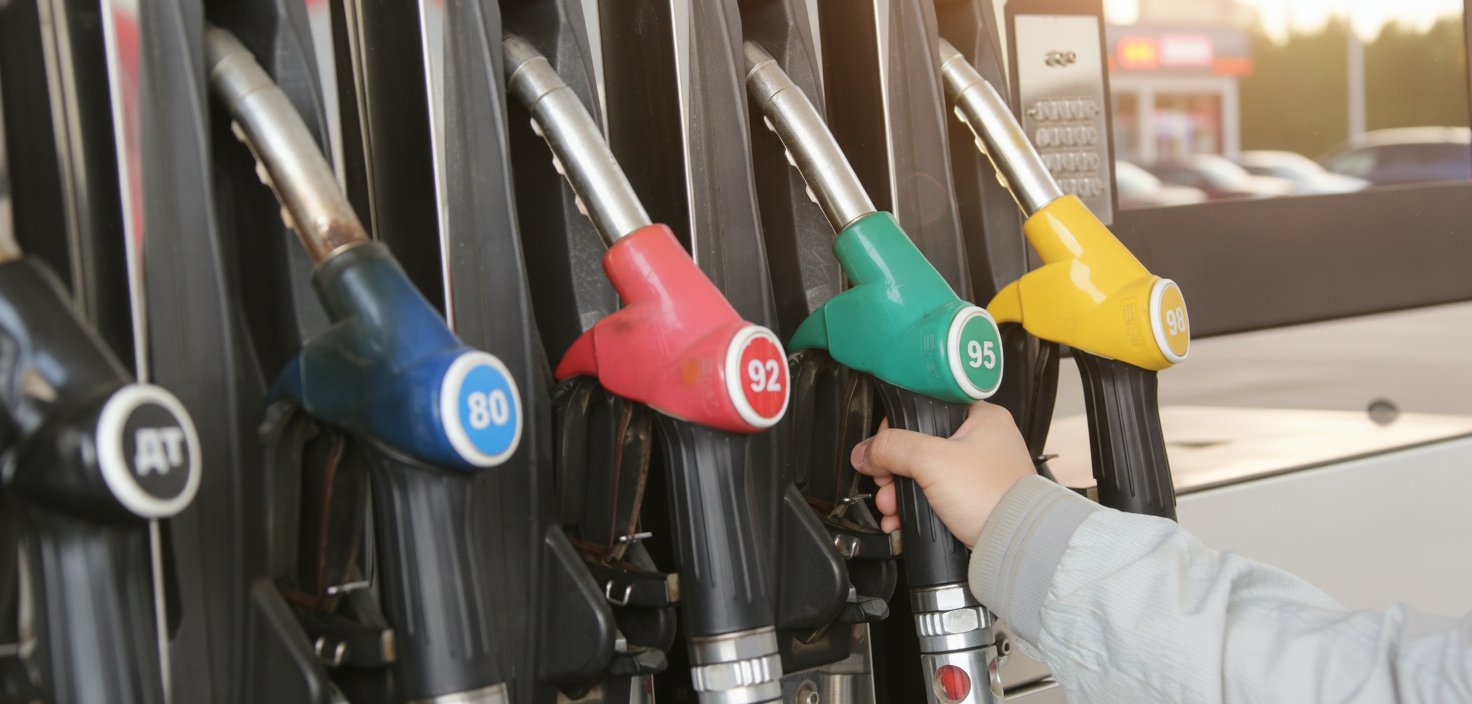
Fuel Sales Decentralization Proposed by Expert After Russian Strikes on Gas Stations.

Dmytro Lyushkin’s Plan to Decentralize Fuel Retailing
According to Espreso.tv: In response to a wave of Russian military attacks on gas stations, fuel market expert Dmytro Lyushkin has called for decentralizing fuel sales across Ukraine. Recent strikes on filling stations have made it urgent to revise trading rules, especially in high-risk zones where stations have already vanished. Lyushkin argues that shifting away from large, centralized fuel depots could reduce vulnerabilities.
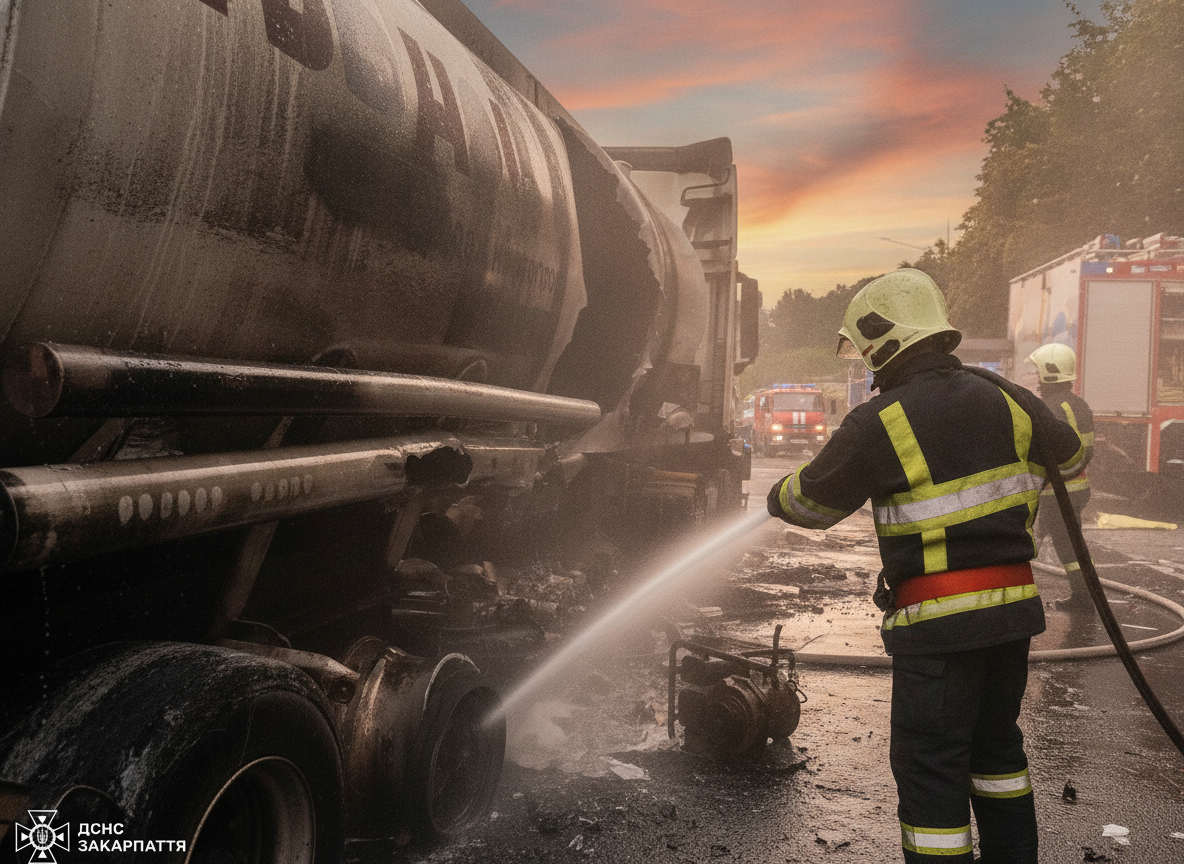
On June 25, Russian forces targeted gas stations in Sumy and Zaporizhzhia, causing extensive damage. Two days later, on June 27, a strike in Zaporizhzhia ignited a gas tank and an administrative building. In the Kharkiv region, two more stations in the Solonytsivka community came under attack. These incidents highlight the growing danger to fuel infrastructure.
Adapting to Mounting Threats
Lyushkin points out that some areas now have no gas stations at all, including:
- Trostianets
- Nikopol
- Stretches of the Kyiv–Dnipro highway
- Zones near the front line
He insists that decentralizing fuel trade is the only viable response.
“This is the only way we can solve the problem,” Lyushkin states.
The expert also suggests reviving older methods of fuel distribution, like placing barrels and canisters along roadsides.
“We may go back to barrels and canisters by the highways—but that would be safer than large gas stations whose coordinates everyone knows,” he explains.
Lyushkin acknowledges there is no quick fix that will completely eliminate strikes on filling stations.
“There is no solution that will fully erase the problem of attacks on gas stations tomorrow. But if there’s no point in hitting them because they no longer hold large fuel reserves, the effectiveness of such strikes will drop significantly,” he adds.
Decentralizing fuel sales could mark a major step toward stabilizing Ukraine’s petroleum market amid escalating Russian threats. This approach may also boost supply resilience in regions hardest hit by the war. As attacks on critical infrastructure continue, such measures become increasingly vital for keeping the economy running and meeting the population’s basic needs.
These proposals reflect a new strategy for fuel distribution that accounts for the current security environment. By reducing the concentration of fuel in known locations, Ukraine could make its energy supply chain more resilient and less attractive as a target.
Read also
- Neighboring Nations Increasingly Reject the Russian Ruble: Fees and Restrictions Mount
- Fuel Costs in Ukraine: How Much to Drive 100 km on Diesel, Gas, and Electric Power
- Fuel Crisis Drives Russians to Cross into China for Gasoline
- Water Tariffs in Ukraine to Change from July 1: How Subsidies Will Be Automatically Adjusted
- A 2020 10-Hryvnia Coin With a Flaw Could Sell for 5,000 Hryvnias: How to Spot One and Profit
- Can You Get Your Money Back? Oschadbank Warns About Mistaken Payments