Seasonal Shift at Odesa's Pryvoz Market: Ukrainians Ditch Meat for Fruit.

Market Trends at Pryvoz
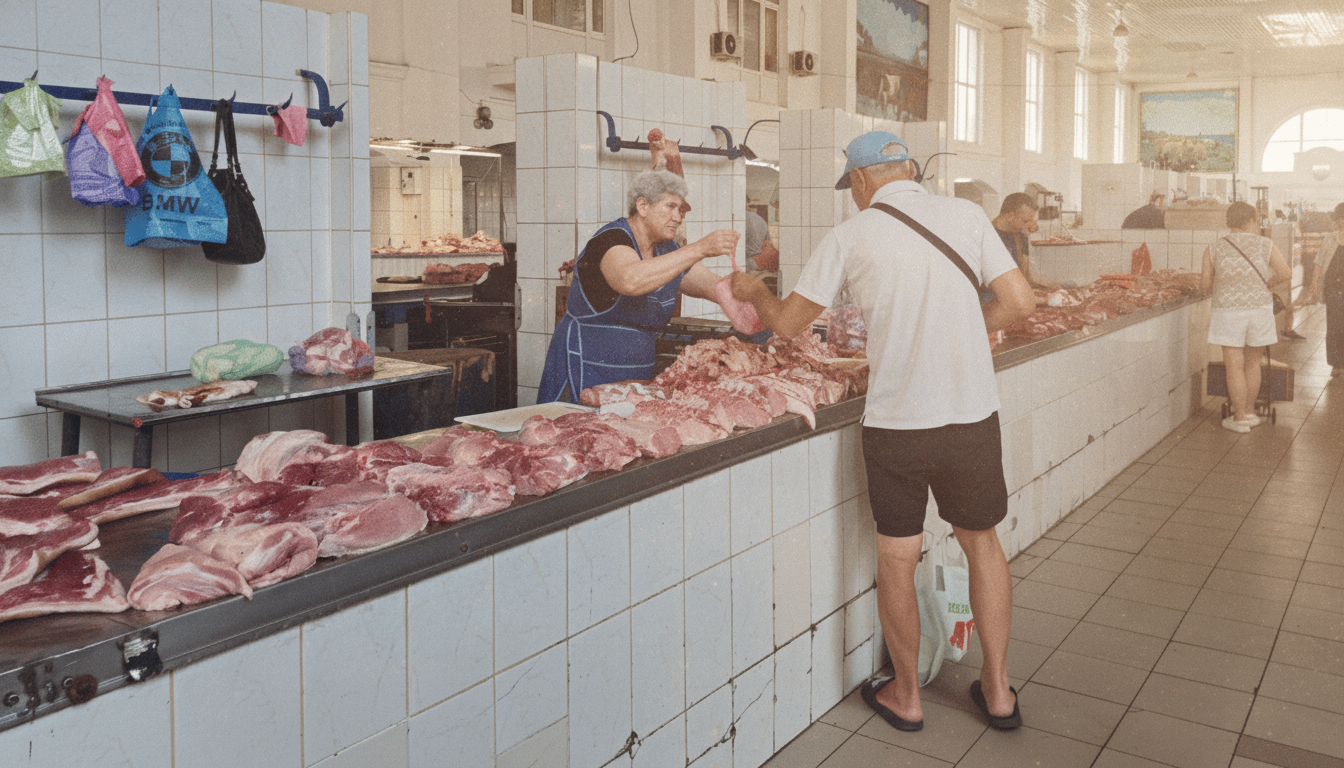
According to Novyny.live: At Odesa's renowned Pryvoz market, demand for meat has declined as shoppers increasingly turn to fruits and vegetables this season. Despite this drop, retail meat prices have held steady, though wholesale costs have fallen. Vendors attribute this trend to a surge in interest for seasonal produce, which is reshaping sales patterns for meat products.
Meat and Fish Pricing
Meat prices at Pryvoz currently range as follows:
- Pork neck: 280 UAH per kg
- Beef steak: 220 to 250 UAH per kg
- Ribs: 250 UAH per kg
- Rump: 220 UAH per kg
- Rear cut: 200 UAH per kg
- Shoulder: 180 UAH per kg
- Flank: 160 UAH per kg
- Liver: 180 to 200 UAH per kg
- Bone for broth: 70 UAH per kg
- Leaf fat: 20 to 25 UAH per piece
- Tenderloin: 270 to 280 UAH per kg
The market also offers fish and delicacies, with these prices:
- Sea goby: 700 UAH per kg
- Limansky goby: 450 UAH per kg
- Tavriika fish: 600 UAH per kg
- Carp: 200 UAH per kg
- Lightly salted trout: 550 to 600 UAH per kg
- Bream: 800 UAH per kg
- Chum salmon roe: 800 UAH per 100 g
- Pink salmon roe: 750 UAH per 100 g
- Red caviar: 900 UAH per 100 g
Fruit Prices
Meanwhile, fruit prices at Pryvoz also vary widely:
- Cherries: 60 to 100 UAH per kg
- Domestic peaches: 80 UAH per kg
- Fig peaches: 150 UAH per kg
- Nectarines: 130 UAH per kg
- Apricots: 100 UAH per kg
- Strawberries: 150 UAH per kg
- Raspberries: 200 UAH per kg
- Black currants: 160 to 200 UAH per kg
- Red currants: 120 UAH per kg
- Gooseberries: 120 UAH per kg
- Grapes: 200 UAH per kg
- Lemons: 200 UAH per kg
“The wholesale price has dropped sharply. If they hadn’t lowered it for us, we simply couldn’t sell meat. There are fewer people now. Some are at the sea, others are buying cherries or strawberries. It’s just the season,” said Tetiana, a vendor at the market.
This seasonal shift in food demand is clearly impacting the market, highlighting stable meat prices alongside a growing preference for fresh fruits and vegetables among Odesa residents. As meat sales slow, sellers are adapting to new realities, underscoring the importance of understanding consumer habits and seasonal trends in trade. This situation may reflect broader changes in dietary preferences driven by seasonal factors and a focus on healthier eating.
Read also
- A 2020 10-Hryvnia Coin With a Flaw Could Sell for 5,000 Hryvnias: How to Spot One and Profit
- Can You Get Your Money Back? Oschadbank Warns About Mistaken Payments
- Russian Oil Drops to $50: A Fresh Blow to Moscow’s Budget After the US-Iran Deal
- Tougher Sanctions on Russia Since 2022: What Has Actually Changed?
- Kyivstar Introduces 40 UAH Discount on Plans: Who Qualifies for the Offer
- Security First: How Ukraine Is Emerging as Europe’s Key Partner in Defense Technology