Quantum Battery Prototype from Australia Charges in Femtoseconds.

A Breakthrough in Quantum Battery Design
According to Novyny.live: Scientists in Australia have unveiled a working prototype of a quantum battery capable of completing a full operational cycle—charging, storing energy, and discharging. This innovation marks a significant milestone toward ultra-fast charging systems. First theorized in 2013, quantum batteries have previously shown promise in laboratory settings, but this version represents a functional leap forward.
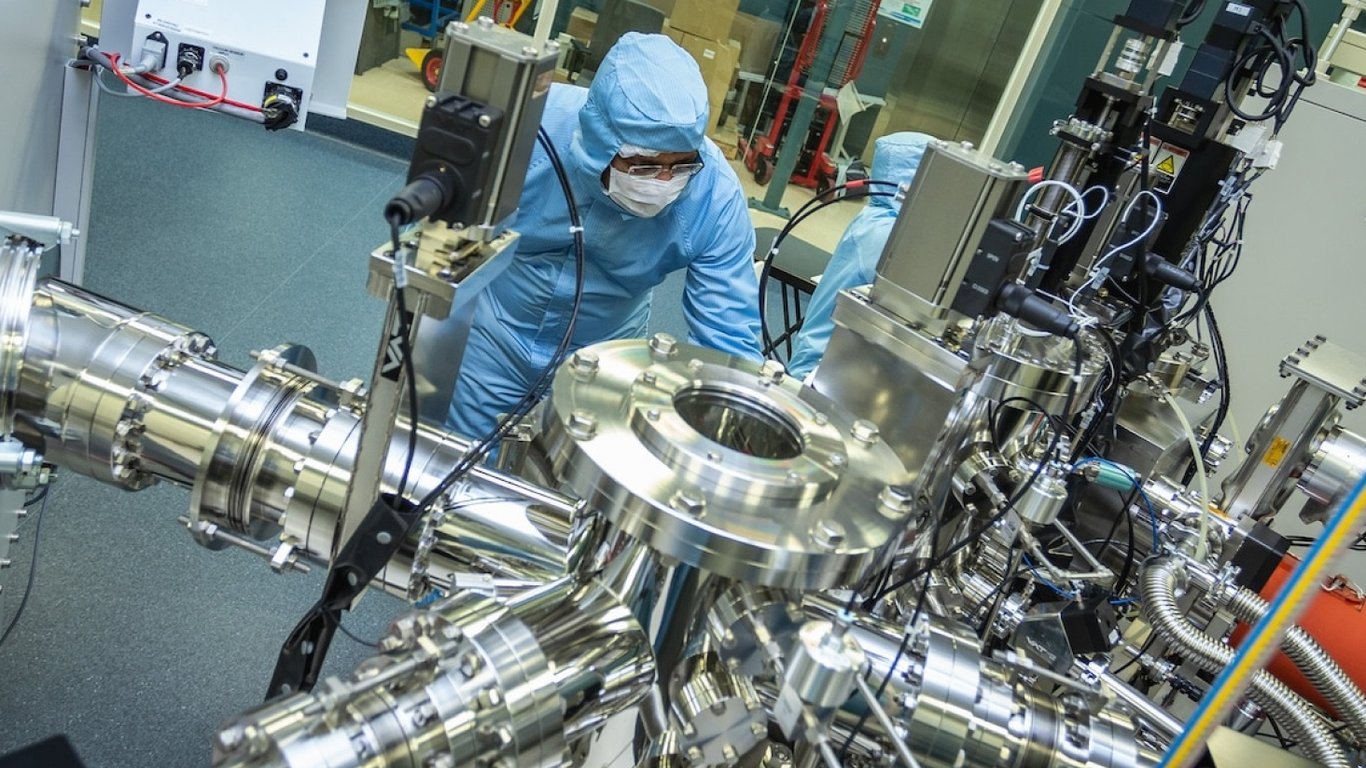
Developed by Australia's CSIRO in partnership with RMIT University and the University of Melbourne, the prototype achieves charging speeds measured in femtoseconds, while retaining the stored energy for nanoseconds. This dramatic improvement in efficiency could redefine how energy is captured and utilized in future devices.
Looking Ahead: Implications and Potential
Back in 2022, the same research group demonstrated the collective charging effect of quantum batteries, hinting at their future capabilities. The latest iteration removes previous barriers to extracting stored energy, opening up new possibilities for energy storage technology. This progress could lay the groundwork for innovations in power systems driven by quantum mechanics.
Quantum batteries have the potential to transform how we store and consume energy, especially as demand grows for cleaner, more efficient solutions. With renewable energy sources becoming increasingly central to global power grids, such advancements could offer critical support for integrating next-generation technologies into everyday life. Continued research in this field may unlock new opportunities for both industry and consumers, accelerating the shift toward more sustainable energy systems.
Read also
- Antique Musket Balls Repurposed Into Solar Cells with 94% Efficiency
- South Korea Patents a Silent Engine for Air Taxis
- 144 FPS at 4K: A Gamer Pairs an RTX 3090 and RTX 3050 for Stunning Performance
- Snapdragon 8 Elite Gen 5: Qualcomm’s New Chip Targets Sub-$600 Smartphones
- Samsung Unveils Three New Odyssey Gaming Monitors: Specs and Features Revealed
- Plastic Waste Converted into Jet Fuel: New Breakthrough by Chinese Researchers