The Slowest Accelerating Cars on the Market: A Ranking of the Worst Performers.

Acceleration Performance of Popular Cars in Ukraine
According to Novyny.live: When it comes to how quickly a car can go from 0 to 100 km/h, many popular models in Ukraine fall short of modern expectations. This metric is increasingly important for buyers, and the numbers tell a surprising story.
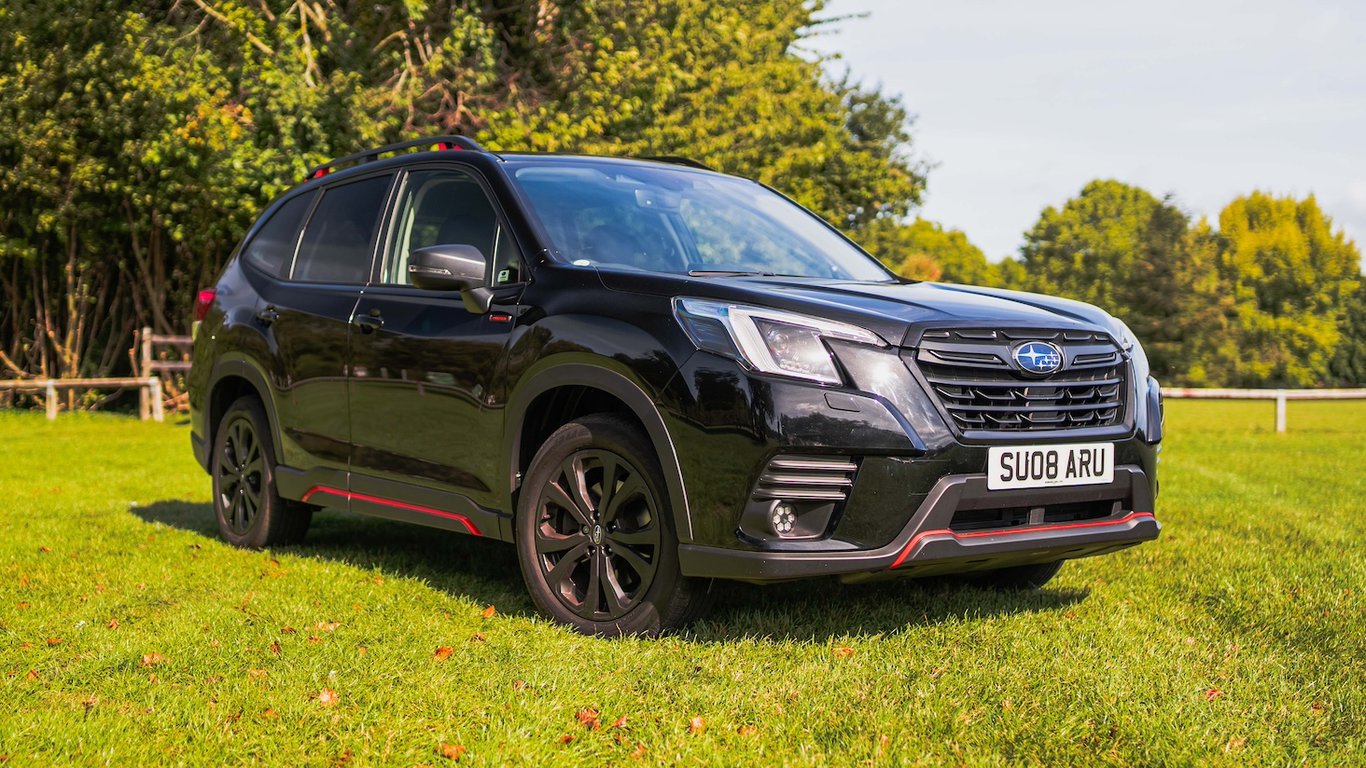
Among Japanese crossovers, one notable example is the Mazda CX-5. Its 2.0 e-Skyactiv G engine, producing 141 hp, takes 10.5 seconds to reach 100 km/h. The all-wheel-drive version is even slower, requiring 10.9 seconds. Meanwhile, the Subaru Forester, powered by a 2.0-liter e-Boxer engine with 136 hp, needs 12.2 seconds to hit the same speed. Interestingly, the Subaru Forester has an average fuel consumption of 9.5 L/100 km.
Budget Models and Other Vehicles
Budget-friendly options like the base MG ZS also fail to impress in terms of speed. Its 1.5-liter engine, delivering 115 hp, takes 12.5 seconds to accelerate from 0 to 100 km/h. Similarly, the Suzuki Swift, equipped with a 1.2-liter engine, requires 12.5 seconds, while the CVT variant does it in 11.9 seconds.
Among low-power hatchbacks, the following models stand out:
- The Skoda Fabia, with a 1.0 MPI engine producing 80 hp, takes 15.7 seconds to reach 100 km/h.
- The Volkswagen Polo, using the same engine, posts a 15.6-second time.
- The Seat Ibiza, also with a 1.0 MPI engine, achieves 15.3 seconds.
- The Fiat 500 Hybrid, featuring a 1.0-liter engine with 65 hp, reaches 100 km/h in 16.2 seconds.
- Its soft-top version is even slower, taking 17.3 seconds.
These figures highlight how some vehicles on the market may not meet current speed expectations, potentially affecting their appeal to consumers. Drivers are paying closer attention to acceleration performance, which could become a key factor in their purchasing decisions.
An analysis of car acceleration dynamics in Ukraine reveals that the market is increasingly responding to drivers' demands for speed and efficiency. While certain models deliver acceptable performance, others may leave buyers disappointed. This could shift demand toward vehicles that align with modern standards, especially in the crossover and budget segments. A growing awareness of technical specifications among consumers is likely to influence automakers in the future.
Read also
- Ukraine’s New ‘Flamingo’ Missile Strikes Targets 3,000 km Away: How the FP-5 Works
- Ukraine’s Flamingo Missile Reaches 3,000 km: First Strikes on Russian Soil Expected in 2025–2026
- Why Ukraine’s Air Defense Is Struggling Against Russia’s New Jet-Powered Drones
- Top Score from Consumer Reports: What the Asus Gaming Router Brings to the Table
- Tesla Unveils the Model Y L: What’s New in the Brand’s Largest Electric SUV
- Why Anti-Drone Nets Fail Against 'Molniya' and 'Italmas' Drones: Key Insights