HVO100 Fuel: The Key to a 90% Drop in Automotive CO2 Emissions.

A Major Cut in Automotive Carbon Emissions
According to Novyny.live: The automotive sector has achieved a dramatic reduction in carbon dioxide output without fully replacing internal combustion engines with electric motors. This breakthrough is enabled by the use of non-fossil fuels, specifically HVO100, which can slash CO2 emissions by up to 90% compared to conventional diesel. With Europe's fleet of 250 million vehicles taking decades to renew, such new technologies are vital for lessening the environmental impact of transport in the near term.
HVO100, a fuel derived from renewable sources, delivers this substantial cut in greenhouse gas emissions. The Stellantis group has confirmed that its Euro 5 and Euro 6 standard engines are compatible with this new eco-friendly diesel. This compatibility offers major automakers a significant opportunity to implement greener solutions without the immediate need for a complete engine overhaul. This is a crucial development for meeting interim climate targets while the long-term transition to electric vehicles continues.
Industry-Wide Support for Innovative Fuel
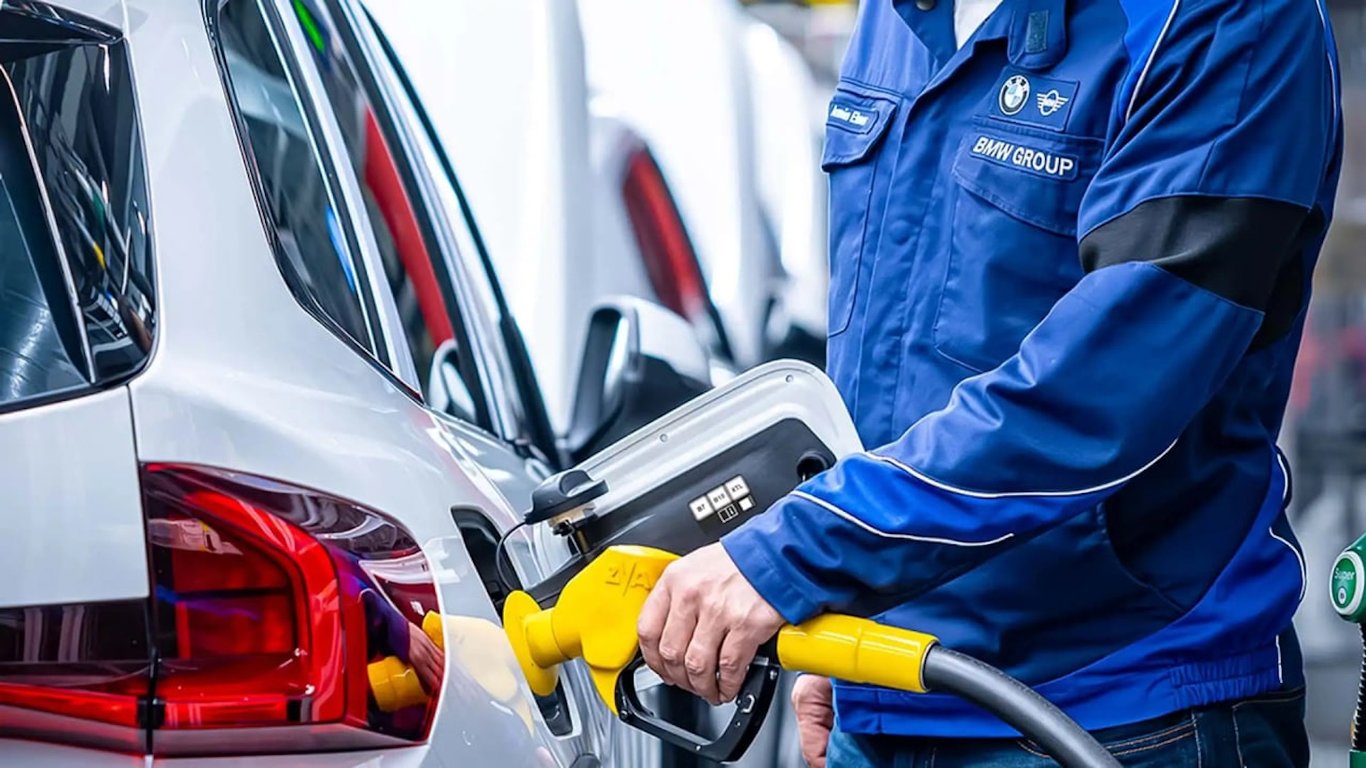
Furthermore, BMW has approved the use of HVO100 for all its passenger cars produced since March 2020. This move signals growing industry-wide backing for innovative fuel solutions, which could profoundly influence future CO2 reduction efforts. Consequently, HVO100 is emerging as a key tool in the automotive sector's strategy to improve its environmental performance. The adoption by these major manufacturers highlights a pragmatic shift towards leveraging existing infrastructure for immediate climate gains.
The use of HVO100 underscores the industry's drive to shrink its environmental footprint, particularly given the slow turnover rate of vehicle fleets. It also emphasizes the importance of investing in new technologies and alternative fuels that can substantially improve the ecological standing of the transport sector. As European nations continue to combat climate change, deploying such solutions becomes critically important for achieving future environmental goals, offering a bridge to a cleaner automotive future.
Read also
- First-Ever U.S. Manufacturing of Ukrainian MAGURA Drones: Key Details Emerge
- Google to Build America's Largest Solar Farm: 2.5 GW Facility to Power Data Centers
- Turn Your Old Phone Into a Smart Display: Inside the New ScreenWall Web Platform
- Speed Record Set by Bombardier Global 8000: Los Angeles to Farnborough in Just 8 Hours 46 Minutes
- A New Augmented Reality Platform Lets You Read and Build 3D Comics
- How Artificial Intelligence Is Unlocking Billions in Real Estate Value