Banks to Remove Contactless Payment Limits: What This Means for Millions.

According to The Sun: Important changes may soon be implemented that will affect the use of cards for payments.
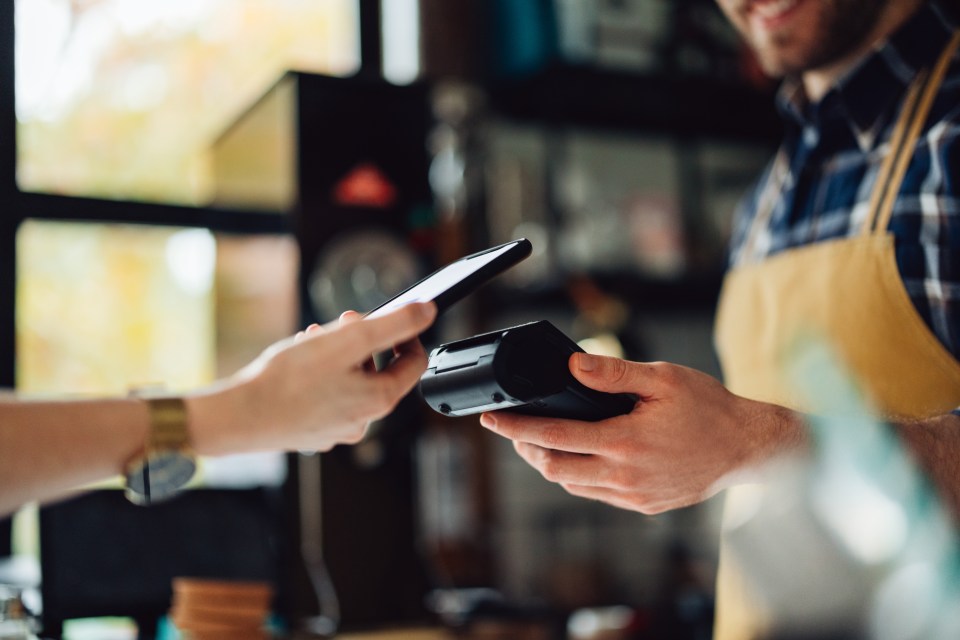
The Financial Conduct Authority (FCA) is considering plans that would allow banks to set their own limits on contactless payments, easing the payment process for consumers.
GettyCurrently, contactless payments have a limit of £100 per transaction or £300 for multiple transactions. However, the regulator plans to increase these limits, making it easier to make large purchases.
This decision will allow large purchases to be made without entering a PIN or using cash. The FCA noted that this would provide consumers with greater convenience, although the absence of a limit would require caution when using cards.
How Will This Work?
The proposals will be discussed until October 15, after which they may be put into action. This news comes after the regulator presented 50 measures earlier this year to support economic growth in the UK, among which was the idea to completely remove the £100 limit on contactless payments.
The FCA has also published a document for stakeholders asking for feedback on various approaches to contactless payment limits. David Gill, Executive Director of Payments and Digital Finance at the FCA, stated that the development of technology and fraud prevention measures indicates that the time for change has come.
“While we do not expect immediate changes to limits from companies, they will have the opportunity to make payments easier for customers.”
“People are still protected; even with contactless payments, companies will refund your money if your card is used fraudulently.”
The UK Finance Association welcomes the FCA's proposal. A representative of the organization noted that no immediate changes to the £100 contactless payment limit are expected.
What Happens If Contactless Payments Are Used for Fraudulent Transactions?
According to current rules, companies must compensate customers in cases of unauthorized payments if their card was lost or stolen. These rules will remain unchanged.
The probability of fraud is currently low — about 1.3% of £100 spent on contactless transactions. Increasing the limit could raise the risk that more money will be withdrawn from the account before fraud is detected.
When Were Contactless Payments Introduced?
Contactless payments were introduced in the UK in 2007 with a limit of £10. The limit has gradually increased, and today it stands at £100, which has been raised from £45 in 2021. Since then, contactless payments have become very popular, and millions of people choose cashless transactions.
Not everyone supports the spread of contactless payments. Activists warn that a shift to card payments may leave elderly people, vulnerable individuals, and those with disabilities without access to cash.
How Does the Contactless Payment Limit Differ from Apple Pay and Google Pay?
Apple Pay and Google Pay already allow users to make contactless payments over £100, but such transactions require verification from your bank and the retailer.
Apple Pay works by adding your debit or credit card to a wallet on your smartphone, using Touch ID or facial recognition technology to confirm the payment.
Google Pay, on the other hand, asks users to photograph their card before allowing it to be used for contactless payments in stores.
Do you have a financial problem that needs solving? Write to us at email [email protected]
You can also join our Facebook group Sun Money Chats and Tips to share your advice and stories.
These changes to contactless payment regulations could open up new opportunities for consumers by streamlining the payment process. However, it is important to remain cautious when using cards to avoid fraudulent actions. We hope that the new initiatives will enhance the convenience and security of financial transactions in Ukraine.
Read also
- Russia Sells Off Gold at Record Pace: Central Bank Unloads 44 Tons in Six Months
- Russia’s Wheat Exports Set to Hit Lowest Level Since 2017 – Here’s Why
- Wildberries Warehouse Fires Cause 180 Billion Rubles in Damages: Assessing Russia's Losses
- Kazakhstan Oil Exports at Risk as Caspian Pipeline Shuts Down Operations
- Asian gasoline imports mark Russia's fuel crisis spanning 11 time zones
- Missile Strikes Reshape Housing Demand: Ukrainians Increasingly Look to Relocate Westward