Russia’s Wheat Exports Set to Hit Lowest Level Since 2017 – Here’s Why.

Russia’s Wheat Export Decline
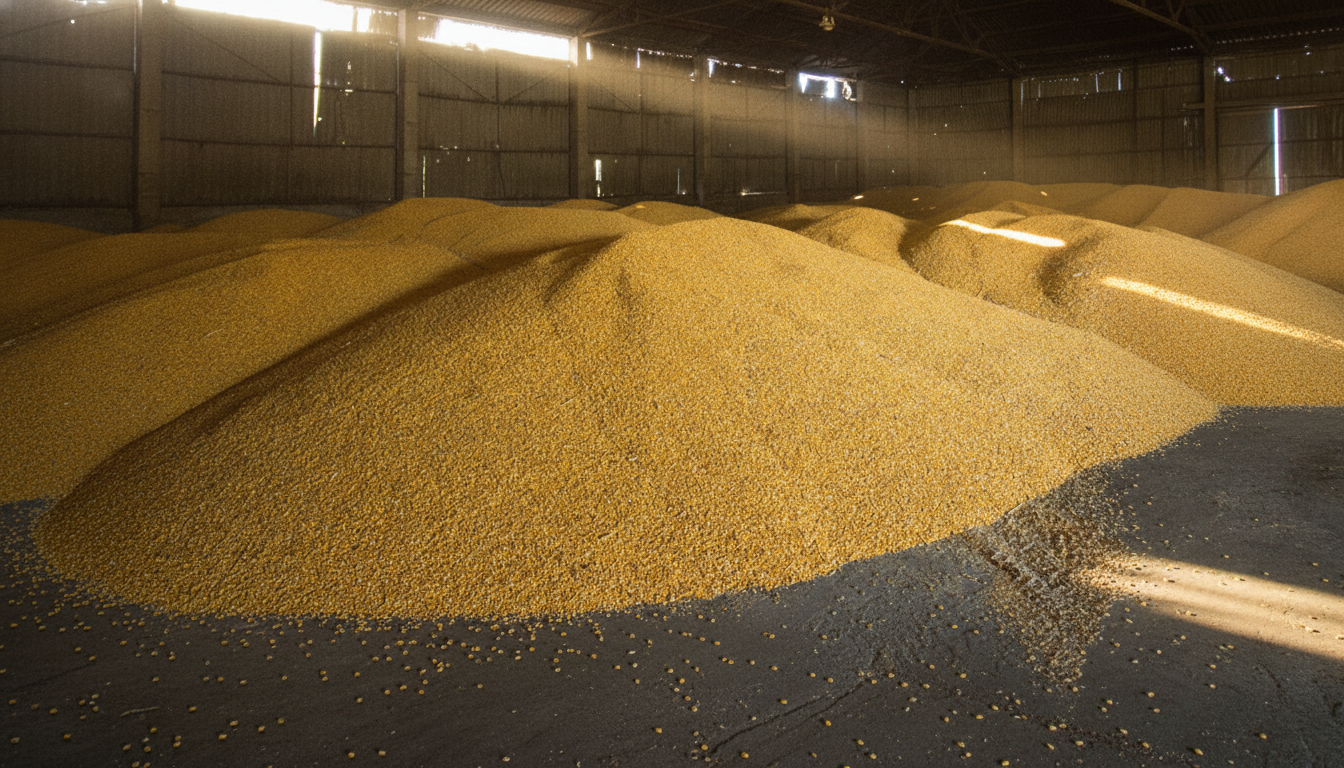
According to Espreso.tv: In July 2023, Russian exporters are expected to ship just 1.5 million tons of wheat, a sharp drop compared to both last year’s figures and the five-year average. This volume is one-third lower than the 2.25 million tons exported in July 2022. The average wheat export over the past five years stood at 3.1 million tons, making the July 2023 projection the smallest since 2017. Russia is one of the world’s top wheat suppliers, so these numbers have significant implications for global grain markets.
Logistics Disruptions Behind the Drop
The decline in wheat exports comes amid major logistical disruptions triggered by drone attacks. On July 11, 2023, Russian authorities announced they would stop accepting applications for passage through the Kerch Strait, severely complicating grain shipments. This route is critical: up to 25% of Russia’s total grain and oil exports are at risk. Last year, 14.7 million tons of grain and processed grain products were shipped via the Kerch Strait, highlighting its importance to Russian trade.
It is worth noting that 27% of Russia’s total grain exports go through the Don region. However, maritime tensions remain high. On July 18, 2023, Commander Robert ‘Madyar’ Brovdi of the Ukrainian Security Service (SBS) announced a shift in strike priorities against Russian vessels.
“The SBS operation ‘MoLoChKa’ is redirecting the enemy’s focus from the front line to the sea,” he stated.As part of this operation, Ukrainian security and defense forces have hit 183 vessels from Russia’s so-called ‘shadow fleet.’ According to Brovdi,
“This happened because Russia decided to redeploy around 200 Rubicon air defense system crews from the line of contact.”
The reduction in Russia’s wheat exports for July 2023 underscores the serious challenges the country faces amid rising military tensions and shifting logistics. Given Russia’s role as a leading global grain exporter, any further disruptions could tighten global supplies and push up prices. The Kerch Strait’s central role in grain exports shows just how precarious the situation is, as additional complications could lead to even deeper cuts in international shipments.
Read also
- Fuel Shortage Spreads Across Russia as Moscow Diverts Siberian Gasoline Supplies
- Russia Sells Off Gold at Record Pace: Central Bank Unloads 44 Tons in Six Months
- Wildberries Warehouse Fires Cause 180 Billion Rubles in Damages: Assessing Russia's Losses
- Kazakhstan Oil Exports at Risk as Caspian Pipeline Shuts Down Operations
- Asian gasoline imports mark Russia's fuel crisis spanning 11 time zones
- Missile Strikes Reshape Housing Demand: Ukrainians Increasingly Look to Relocate Westward