Waymo's Driverless Taxi Strikes Child in California, Prompting Safety Scrutiny.

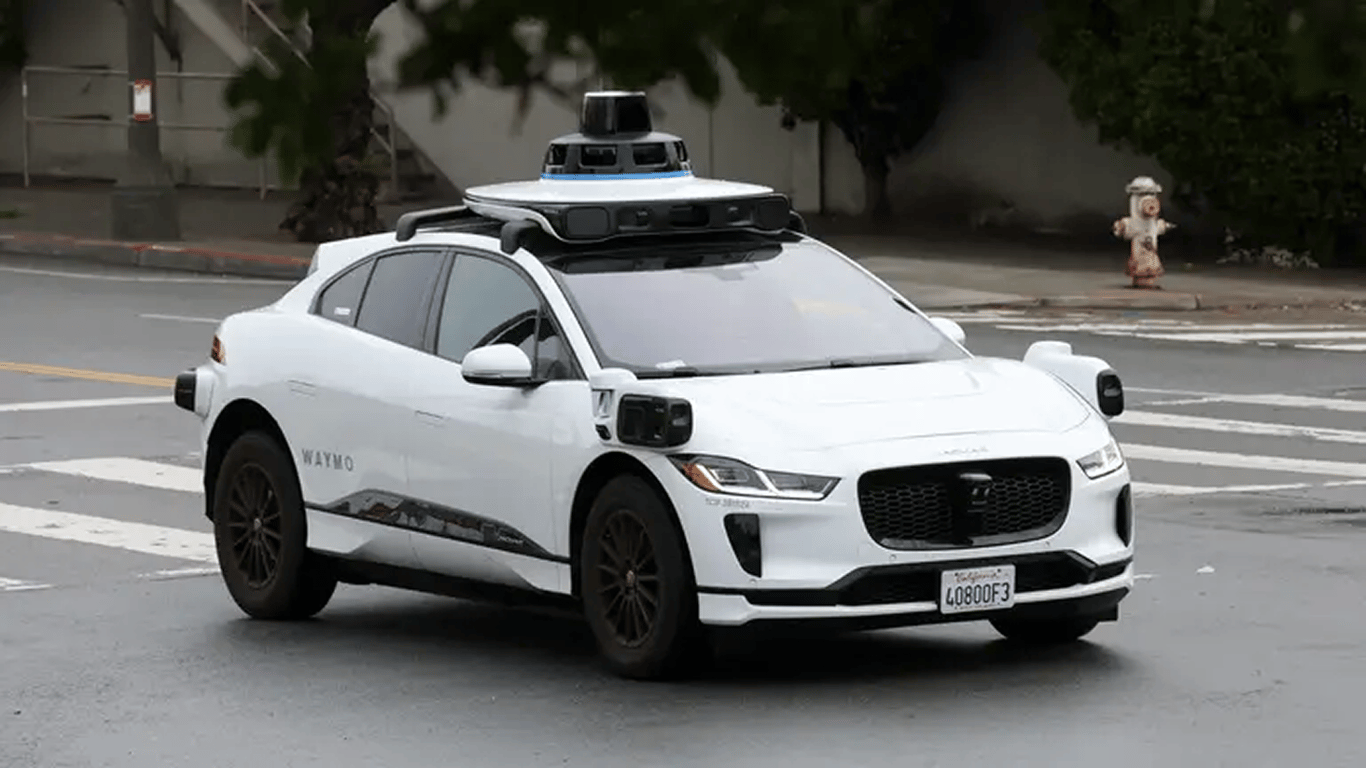
Child Injured by Waymo Autonomous Vehicle in Santa Monica
According to Novyny.live: A Waymo self-driving taxi struck a child in Santa Monica, California, sparking renewed regulatory scrutiny of the company's autonomous vehicle operations. The incident occurred near an elementary school when the child ran into the street from behind a parked SUV. The age of the child has not been disclosed, but the injuries were reported as minor. Prior to the collision, the autonomous vehicle was traveling at approximately 27 km/h (17 mph) and was slowing down to about 10 km/h (6 mph). This event highlights the complex challenges autonomous vehicles face in unpredictable urban environments.
Waymo, a subsidiary of Google and a pioneer in the self-driving vehicle sector, has been deploying its autonomous cars since 2018. The company is cooperating with regulators in the investigation of this incident. Waymo's vehicles have reportedly driven over 80 million kilometers (50 million miles) since 2020. In terms of safety reporting, the company has logged 60 prior incidents where an airbag deployed or an injury occurred.
Ongoing Investigation and Safety Protocols
The National Highway Traffic Safety Administration (NHTSA) first opened an investigation into Waymo's operations in October 2022. This latest incident has reignited public debate over the safety of driverless cars on public roads. Waymo has committed to ensuring maximum safety in its vehicle operations and continues to collaborate with regulators to improve safety standards.
The collision underscores the critical importance of safety oversight for autonomous vehicles, particularly in areas frequented by children. While the child's injuries were minor, this case could influence public perception and future regulatory frameworks for self-driving technology. Such events often lead to calls for more rigorous testing, certification requirements, and public discussions on the ethical deployment of autonomous systems in everyday life.
Read also
- Two Cities Under Fire: Civilian Deaths and Injuries in Nikopol and Chernihiv
- Ten Killed as Foreign Cargo Ship Sinks in Black Sea After Russian Missile Strike
- A Russian drone-missile strike on Kharkiv with a 'Banderol' weapon has left one woman dead and more than 16 people injured
- Romanian F-16 Shoots Down Drone Over National Airspace: Key Details on the Incident
- Zaporizhzhia Bombing: 30 Wounded, Including Seven Children, After Russian Airstrike
- Two Wounded, Furniture Store Damaged in July 24 Strike on Odesa