Why Flight Attendants Buckle Up: A Crucial Safety Signal for Passengers.

Understanding In-Flight Turbulence
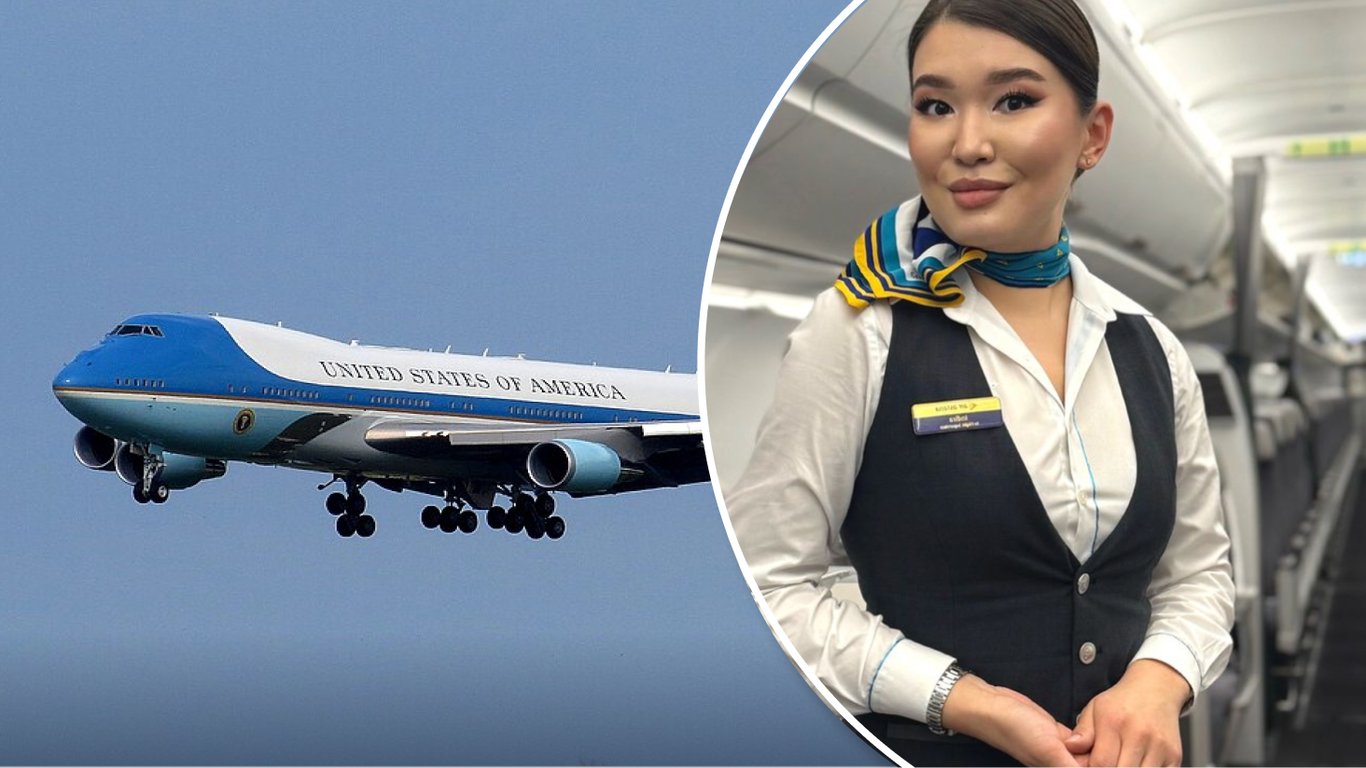
According to Novyny.live: When flight attendants take their seats and fasten their seatbelts, it is a clear sign that significant turbulence is anticipated. This is a critical safety cue for passengers, who should immediately follow their lead and secure their own seatbelts. This action is vital because turbulence can cause sudden, unpredictable movements of the aircraft, potentially leading to injuries for anyone not properly restrained.
Turbulence is a natural atmospheric condition caused by changes in airflow direction and speed. It can occur in various situations, ranging from mild bumps to severe jolts. While the aircraft is designed to withstand these forces, the resulting shaking and movement can be unsettling and dangerous for anyone moving about the cabin.
What Causes Turbulence?
Turbulence can arise from several different sources, including:
- Convective currents formed by rising warm air;
- Thunderstorms;
- High-speed jet streams;
- Wake vortices from other aircraft.
Each of these factors can create the unstable air conditions that lead to turbulence, which is why cabin crew are trained to respond appropriately. For context, clear-air turbulence, which occurs without visual warning, is a common challenge for pilots and crew.
Given these risks, passengers must pay close attention to instructions from the cabin crew. Remaining seated and buckled up when instructed significantly reduces the risk of injury during sudden aircraft movements. Following these guidelines is a fundamental part of ensuring personal safety onboard.
While turbulence is a routine part of air travel, its intensity can vary. Heeding crew instructions and wearing a seatbelt are the most effective ways to mitigate risk. Due to its unpredictable nature, airlines continuously train their staff and emphasize passenger awareness to manage the potential hazards of flying through rough air.
Read also
- Life in Croatia Through a Ukrainian Blogger’s Eyes: High Costs and Tough Immigration Rules
- Best Offline Maps for Drivers and Cyclists: A Guide to Navigation Apps
- Wildfires Rage Through Southern Spain: At Least 12 Dead as Europe Battles Extreme Heat
- Egypt Bars The Scarlet Lady Cruise Ship, Forcing an Unexpected Route Change
- South Korea Introduces Remote Work Visa with New Residency Rules
- Moving to Romania? A Ukrainian Blogger Shares Key Advice for Relocation