The government has simplified the recovery of housing after shelling: what has changed for residents.

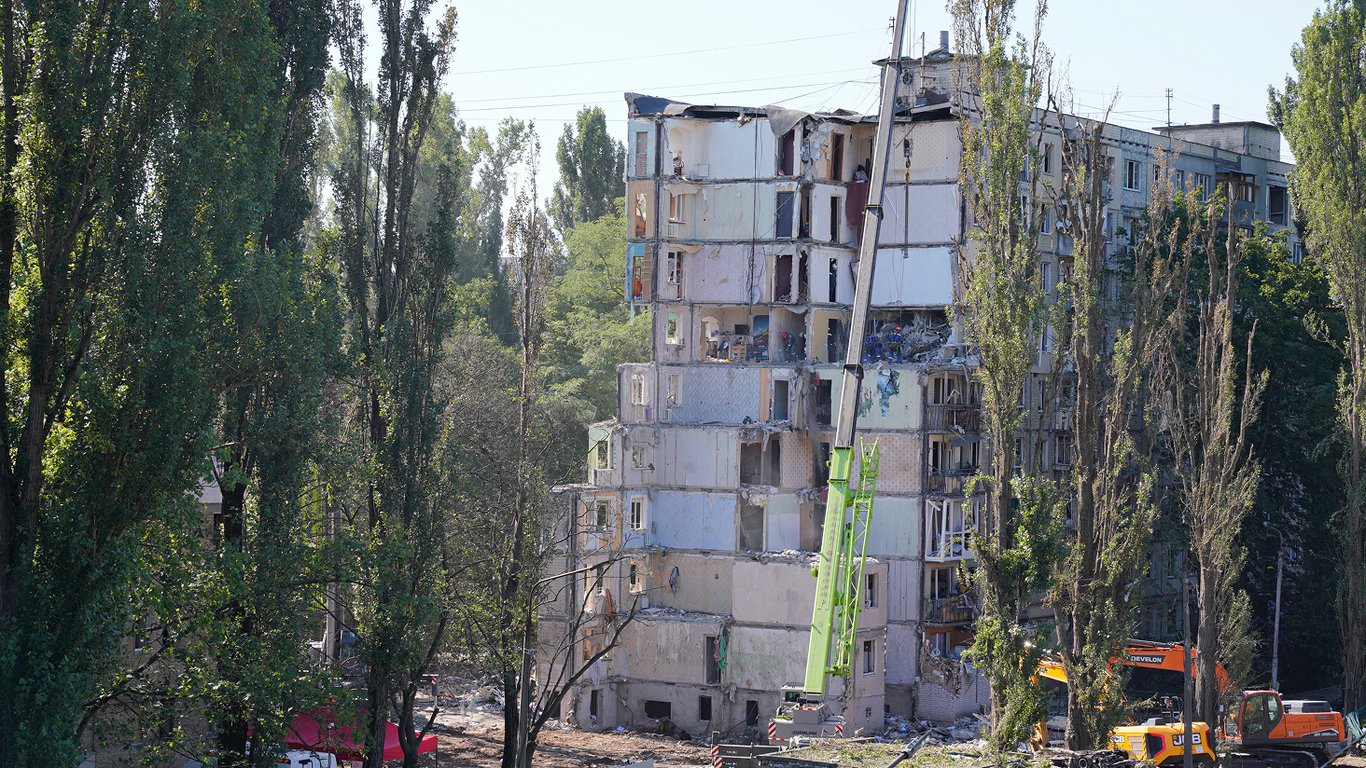
After another series of Russian attacks on civilian infrastructure, Ukraine is once again facing the problem of restoring damaged homes. The 'eRecovery' program, which has been in effect since 2023, has caused complications in many communities due to prolonged procedures that delayed the start of work.
In August, the government approved a new model that will accelerate the recovery of apartment buildings and dormitories. According to the press service of the Ministry of Communities and Territories Development, the main change lies in simplifying bureaucratic procedures and allowing parallel work instead of sequential.
New recovery algorithm for multi-apartment housing
Previously, communities had to go through a long queue of bureaucratic procedures before starting construction work. Now, the new model allows starting work even before the expertise is completed, performing stages simultaneously, and recording everything in an electronic system for transparency and control.
- Start work even before the expertise is completed, provided that project decisions are available;
- Perform stages in parallel instead of waiting for each separately;
- Record everything in the electronic system for transparency and control.
eRecovery will breathe new life
The main change lies in the speed of submitting documents and verifying damages. Previously, this process took weeks, but now it should proceed much faster. Applications through the 'eRecovery' platform will be processed more quickly, and compensations will be received more promptly.
The new model of building recovery is not mandatory for implementation and depends on the decision of each community. This applies to regions with already established procedures or other sources of funding. Changes also provide for targeted assistance from local budgets to cover the costs of temporary housing.
How changes will affect residents of affected buildings
Predictability of recovery is increasing, deadlines will be visible in the electronic system, which should reduce cases of abuse. According to the new algorithm, it is planned to restore more than 1,000 facilities in frontline regions by the end of 2025.
On the night of August 5, Russian troops launched the most massive strike on the city of Lozova in the Kharkiv region throughout the war. This attack caused significant destruction of residential buildings and casualties among the civilian population. President Zelensky emphasized the need for decisive action by the community to stop the aggression.
A new model for restoring destroyed houses has been implemented in Ukraine, which simplifies bureaucratic procedures and accelerates recovery. Communities are now allowed to start work even before the completion of expertise and perform stages in parallel. These changes are intended to ease the lives of residents and help restore damaged homes faster and more efficiently.
Read also
- Experts Weigh In: Is Trump Rethinking His Strategy on the War in Ukraine?
- Polish Minister Condemns Insults Against Ukrainian Girl, Blames Some Refugees for Misconduct
- Combatting Disinformation Takes Center Stage as Ilham Aliyev Inaugurates Shusha Media Forum
- Trump Declares U.S. Control Over Strait of Hormuz and Demands Payment
- Paris Summit: Zelenskyy Joins Leaders of 25 Nations to Unveil Anti-Ballistic Defense Plan
- 10 Arrested in Kyiv Region Murder Case, Including Former Brigade Commander, Zelenskyy Announces