Purchasing in Installments: How Holiday Loans Threaten the US Economy.

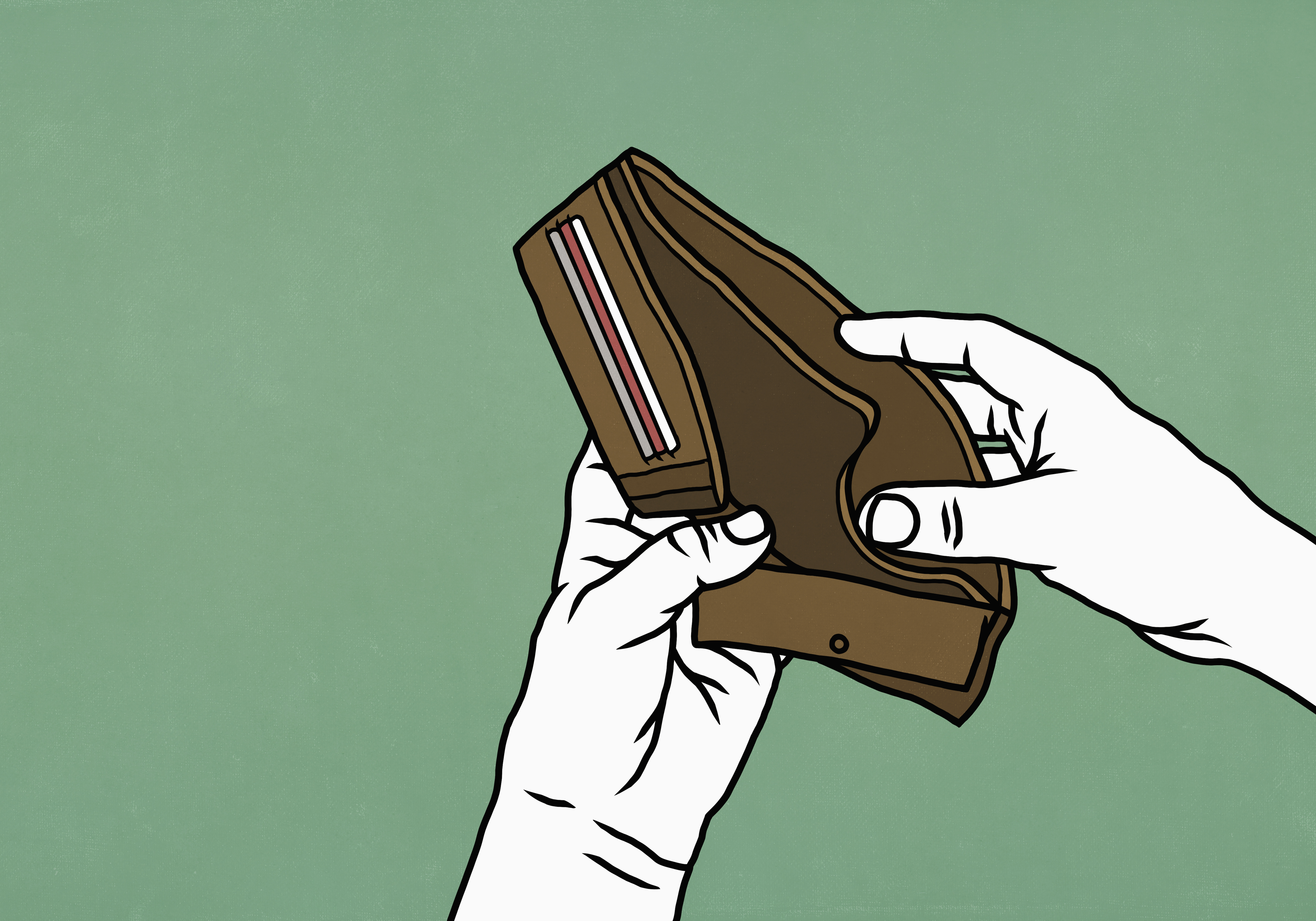
According to Vox: Recently, I went to buy my first big Christmas gift this year, and at the checkout screen, the question appeared: do I want to split this purchase into four easy, interest-free payments?
Parting with a smaller amount of money to get what I want sooner — sounds appealing. According to a PayPal survey, half of all shoppers in the US plan to take advantage of 'buy now, pay later' (BNPL) services during this holiday season. It turns out that one in four millennials and Gen Z members regularly use payment options like Affirm and Klarna. These are the same young people who are struggling to find jobs, burdened by student loans and rising food prices. So it's not surprising that with DoorDash announcing a partnership with Klarna earlier this year, people started taking loans to pay for takeout.
This holiday season looks particularly challenging. The cost of goods is rising, and the ability to utilize BNPL options from financial startups and big banks makes shopping even more accessible. At the same time, the Trump administration lifted some restrictions in this area, putting consumers in a vulnerable position with unexpected fees and debts. Some experts are already warning that the situation is beginning to resemble the early days of the subprime mortgage crisis that led to the Great Depression.
“BNPL lenders are not currently required to […] determine whether consumers can afford their BNPL loans,” said Nadine Chabrier, senior policy and litigation counsel at the Center for Responsible Lending.
If you've seen the movie The Big Short or followed these events, this raises real concerns. But before diving into fears about an impending economic crisis, let’s unpack how these little loans work.
Buy Now, Pay Later — Suffer Always
Initially, the development of the BNPL industry was about seeing this option on checkout pages in online stores, often those selling luxury items. The ability to divide the payment, often without interest, made it easier for consumers to make decisions to purchase expensive items, and stores quickly implemented this feature. Lenders made money from late payment fees and a portion of the purchase price.
Industry leaders include financial startups like Affirm, founded in 2012, and Klarna, which entered the market in 2015. The pandemic significantly contributed to growth, with loan volumes jumping from $16.8 million in 2019 to $180 million in 2022, according to the Consumer Financial Protection Bureau (CFPB). The average loan amount at that time was $135.
One of the main problems, as noted by Chabrier, is that BNPL lenders are often not required to check whether consumers can stay within their budgets, which can lead to multiple loans being taken out simultaneously, creating a risk of accumulating debt. This may explain why late payment is such a common practice: over 40% of BNPL users reported paying late in the last year — up from 34% last year, according to a Lending Tree survey. Meanwhile, more than 20% noted that they have three or more loans simultaneously, with one-quarter of respondents taking a BNPL loan to buy groceries.
It’s worth noting that not all loans are interest-free. Both Affirm and Klarna indicate that their interest rates can reach 36% (Klarna — 35.99%, but rounding is acceptable). This is still significantly lower than payday loans, which can reach 600%, but it still exceeds zero.
Reading The Fine Print
Now, back to the threat of a financial crisis. Until recently, most BNPL loans were not reported to credit agencies, which deprived consumers of visibility regarding their debts. During the Biden administration, the CFPB attempted to regulate this industry by issuing a rule to bring BNPL lenders to the same level as credit cards, but the Trump administration repealed it earlier this year. Around the same time, the company that creates FICO credit scores announced its intention to introduce a new type of rating that would account for BNPL debts. However, these scores are currently only available to lenders, not to consumers.
The BNPL industry remains largely unregulated at the national level. Meanwhile, consumer debt is becoming a financial product. Elliott Investment Management recently struck a deal to purchase $6.5 billion in debt from Klarna, as the financial startup expands its operations by offering larger and longer-term loans. Affirm realized nearly $12 billion in securitized debt as of June.
In a recent article in TechCrunch, Connie Loizos noted that BNPL companies are doing something similar to: “Slice the risky consumer debt, sell it to investors who think they understand the risk profile, and create layers of financial engineering that hide the true exposure.”
This sounds very much like the subprime crisis. However, it remains uncertain whether it is justified to use such large terms to describe the situation at hand.
“It would be premature to say there is a crisis,” Chabrier told me.
However, we can argue that BNPL is becoming increasingly dangerous. The industry has “created a fleeting new consumption culture — and dragged users into the vortex of debt,” as New York Times Magazine comments about people who, starting to shop, overlooked the fine print and faced serious problems.
As this holiday shopping season kicks off, while reading the fine print, pay attention to the details. Even better — stop shopping to avoid falling into a debt trap. This could benefit both your finances and the US economy.
Read also
- Egg-Free Kefir Pancakes: A Simple Recipe with a Dough Secret
- White Acacia Kvass: A Step-by-Step Guide from Klopotenko
- A 30-Minute No-Bake Lemon Dessert: Easy Recipe with Everyday Ingredients
- Easy Pickled Tomatoes for Winter: The Perfect Brine Recipe Using 1 Liter of Water
- A 15-Minute Dinner That Feels Like a Feast: Carbonara-Style Potatoes with Bacon and Cream Sauce
- A Quick 5-Minute Homemade Gravy: Simple Ingredients, Big Flavor