Czech Lawmaker Opposes Easier Path to Permanent Residency for Ukrainians.

Debate Over Czech Migration Law Intensifies
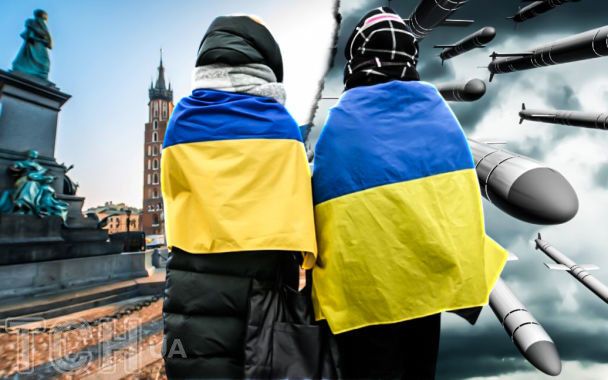
According to TSN.ua: The Speaker of the Czech Chamber of Deputies, Tomio Okamura, has called for a unified migration law and opposes simplifying the process for Ukrainians to obtain long-term residency permits. A new law concerning the stay of foreigners is expected to be passed by May 2026. Okamura, a representative of the SPD political party, intends to block a draft resolution that would make it easier for Ukrainians to transition to long-term residency status. This stance comes amid an ongoing, active debate in the Czech Republic regarding the status of Ukrainian refugees.
Stringent Requirements for Ukrainian Refugees
Under current rules, refugees from Ukraine can only apply for long-term residence by meeting strict criteria. The requirements include:
- A minimum stay of at least two years under temporary protection status;
- An official annual income exceeding 440,000 Czech crowns, which is approximately 17,400 euros.
By the end of 2025, 393,056 individuals held temporary protection in the Czech Republic. In 2025 alone, around 80,000 Ukrainians applied for long-term residence, with just over 16,000 receiving the permit. The Czech Republic's approach is notably stricter than some other EU nations, reflecting internal political pressures.
Commenting on the situation, Okamura stated:
“It is necessary for everyone to meet the standard conditions and for there to be no exceptions.”This underscores his position on the need for clear rules for all refugees. In contrast, other countries have adopted different policies; for instance, Ireland has granted temporary protection to over 120,000 Ukrainians since February 2022, and in Italy, Ukrainians can renew their residence permits until March 2027.
The situation for legalizing Ukrainians in the Czech Republic at the start of 2026 remains complex, considering new legislative initiatives and refugee requirements. The rules for Ukrainian refugees continue to spark discussion among politicians and experts, highlighting the challenge of balancing refugee rights with national interests.
Okamura's position reflects a broader debate on migration and refugee integration in the Czech Republic, where legalization issues remain contentious. The anticipated new legislation could significantly impact the lives of thousands of Ukrainians seeking safety and stability. The differing approaches across Europe may also influence the final shape of Czech policy in this area.
Read also
- Hungary Imposes First-Ever Limits on Foreign Worker Hiring, Targeting the Philippines, Georgia, and Armenia
- Easier Path Home for Ukrainians Without Passports: New Policy for Those Born in Occupied Areas
- EU Ministers Weigh Restrictions on Temporary Protection for Ukrainian Men
- EU Extends Temporary Protection for Ukrainians Until 2028: Exceptions Apply
- EU Council Extends Ukrainian Protection Until 2028: New Rules Target Men
- EU Commissioner Confirms Extended Protection for Ukrainians Through 2027: What It Means for Men of Draft Age