Cold Snap in Ukraine: Why the Expert Excludes Mass Rocket Attacks from Russia.

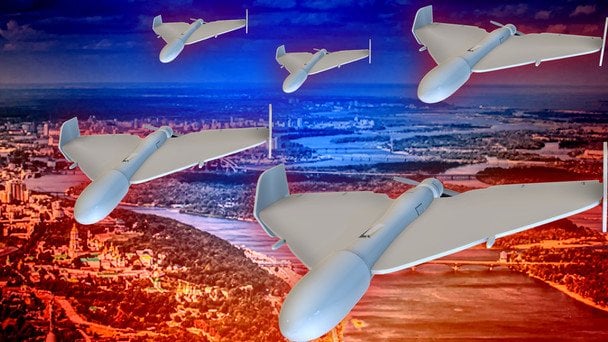
According to ТСН: In the coming days, especially over the weekend, a short-term drop in temperature is forecasted in Ukraine. This raises concerns about possible mass attacks on the energy infrastructure that could cause significant damage in freezing conditions. However, a military analyst believes that such a development is unlikely due to the scenario's dependence on weather conditions.
Olexiy Hetman, a retired major, mentioned this on the "Kyiv 24" broadcast.
In his opinion, the Russians have likely not prepared an air attack specifically for this cold snap. The main argument is that the time required for preparation does not coincide with the capabilities of meteorologists.
Hetman emphasized that relocating aircraft from the Far East to airfields such as "Engels" or "Olenya," as well as delivering and loading missiles, are processes that take a considerable amount of time.
"The procedure takes a week, for example. Therefore, preparing and relocating the aircraft takes up to two weeks. So, did they know exactly two weeks ago that we would have a cold snap on the weekend? It's impossible," the military analyst emphasized.
He also stressed that an accurate weather forecast can only be obtained two to three days ahead, and if it concerns weeks, the accuracy significantly decreases.
Why it is Impossible to Prepare a Strike 'Under Forecast'
In addition to logistical issues, there is also the technological aspect of planning an attack. It's not just about the takeoff of aircraft, but a complex of measures that require coordination among various branches of the military.
"If they know it will be cold in three days, it is impossible to prepare a mass attack in three days. These are aircraft, ground missiles. It's a comprehensive operation," explained Hetman.
The expert detailed the stages of preparation that cannot be accelerated. Each missile is assigned an individual flight task (route, altitude, maneuvers), and each bomber is given a flight and launch plan.
According to the expert, actions are coordinated among the ground launch installations, aviation, and fleet.
"This is quite serious preparation. And it is technologically impossible to accomplish it in a day or two," Hetman concluded.
Meanwhile, forecasters warned about a sharp change in weather in Ukraine. According to the prediction, the country will be covered with snow, wet snow, strong winds, and icy conditions, with particular danger on the night before January 7. The most significant drop in temperature is expected on January 9-10, but severe frosts will not last long and will begin to recede by January 14.
This heightened concern about possible attacks coincides with the anticipation of worsening weather, which raises additional fears in society. The possibility of dropping temperatures only underscores the importance of the country's energy system's readiness for difficulties that may arise due to the enemy's harmful actions, especially during the winter season.
Read also
- Zelenskyy Arrives at Ramstein Meeting: Key Topics on Military Aid for Ukraine
- Germany and Ukraine Sign New Defense Deal: Merging Tech to Counter Ballistic Threats
- Fuel shortages and gas station restrictions in Russia triggered by Ukrainian strikes, says Zelensky
- At Ramstein Summit, Zelenskyy Highlights Critical Weapon Shortages Facing Ukraine
- Zelensky Reveals Russia's Monthly Toll on the Battlefield: At Least 30,000 Casualties
- A Mobilization Overhaul: Ukraine Plans to Cut Financial Ties with Recruitment Centers and Mandate Video Recording