Is Engine Cleaning Really Necessary?.

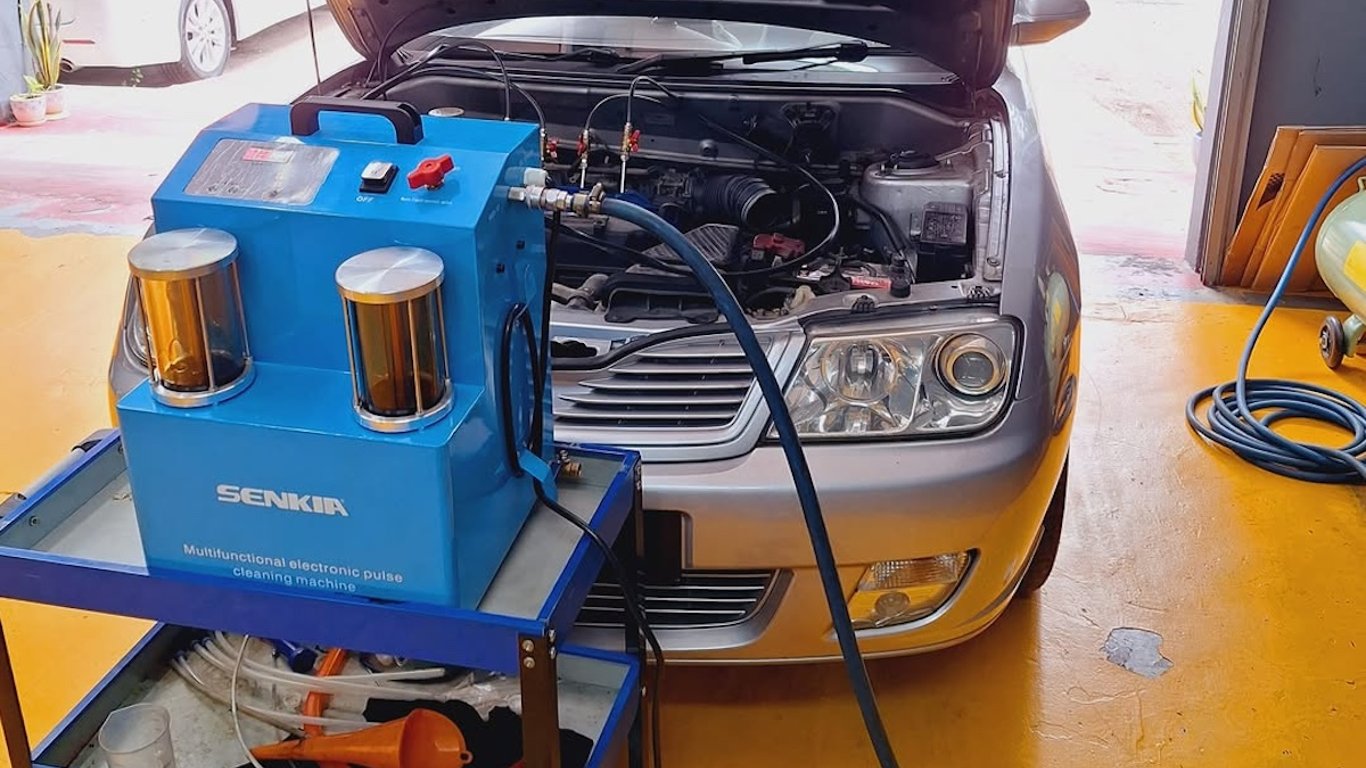
Many auto services recommend cleaning the engine from carbon deposits to restore its performance. Is this really necessary, and what benefits could it have for the car? Auto Express reports on this.
How to Clean the Engine
Gasoline and diesel engines generate energy during fuel combustion, leading to soot emissions. Catalysts and particulate filters reduce emissions into the air, but some soot settles inside the engine. Older cars required engine cleaning every few thousand kilometers by disassembly and physically removing carbon deposits.
Now, this does not need to be done frequently, but some engines may still require carbon cleaning, especially if they have modern emission control systems installed.
For example, gasoline direct injection (GDI) engines often become saturated with carbon because fuel does not pass through the intake valves. Diesel engines are even more prone to soot due to the nature of fuel combustion. The EGR system, which recirculates exhaust gases, can contribute to soot formation, affecting filters and catalysts.
It is important to regularly service the car, use quality materials, and periodically use the 'Italian tune-up' (a process where the engine runs at high RPMs for warming up, beneficial for diesel engines). If these actions do not help, one can try special chemicals for cleaning or consult a specialist who will conduct a professional cleaning.
Reviews on various cleaning methods are controversial. Some owners have noted improvements, while others have not. Therefore, the choice of carbon cleaning method is an individual matter for each car owner.
Cleaning the engine from carbon deposits can be a beneficial procedure for maintaining the performance and longevity of your car. It is important to take the proper preventive maintenance measures and follow the recommendations of specialists to keep your vehicle in the best condition.
Read also
- Antique Musket Balls Repurposed Into Solar Cells with 94% Efficiency
- South Korea Patents a Silent Engine for Air Taxis
- 144 FPS at 4K: A Gamer Pairs an RTX 3090 and RTX 3050 for Stunning Performance
- Snapdragon 8 Elite Gen 5: Qualcomm’s New Chip Targets Sub-$600 Smartphones
- Samsung Unveils Three New Odyssey Gaming Monitors: Specs and Features Revealed
- Plastic Waste Converted into Jet Fuel: New Breakthrough by Chinese Researchers