Smartwatches under $100 vs premium models: what is really worth overpaying for.

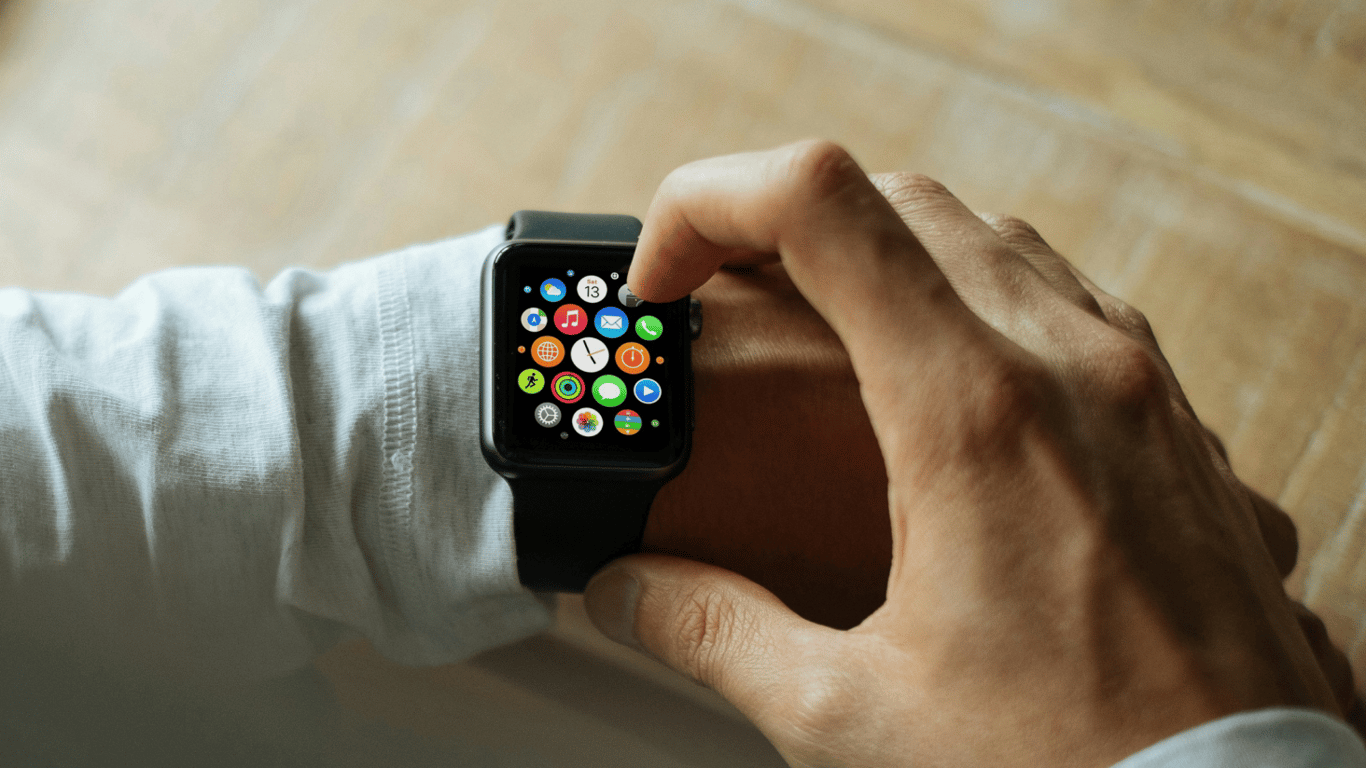
Budget watches may be cheaper than premium ones, but they are not always worse. The main difference lies in the hardware, health sensors, and ecosystem features.
What really differentiates cheap models from expensive ones
Apple Watch holds nearly 30% of the global market and remains the most recognizable smartwatch — largely due to the popularity of the iPhone and the tight integration between devices. The starting price of $399 (and the SE version at $249) makes significant competition in the segment under $200, where there is no shortage of affordable alternatives.
Affordable watch models can feature both fitness trackers and smartwatches. Expensive watches with an expanded set of sensors can replace a tracker, but not all trackers have smartwatch features. If you only need to track activity, basic workouts, and sleep — an appropriate tracker priced under $100 is usually sufficient. However, if you need advanced capabilities such as viewing messages, playing music, making calls without a smartphone, and additional apps — you need a real smartwatch.
Availability and capabilities of watches
Among the affordable models, you can often find watches that will satisfy many consumers. For example, the Amazfit Active 2 at $99 is a full-featured smartwatch that offers quality no worse than its cost. However, compared to premium devices, it may have limitations in customizing watch faces and selecting apps.
Devices like the Samsung Galaxy Watch 7 and Apple Watch Series 10 have more sensors, providing access to enhanced health features such as ECG on the Apple Watch. These devices are equipped with robust platforms like Google's Wear OS and Apple's watchOS, which offer a wider selection of apps and better support. They also operate faster and smoother thanks to more powerful hardware, delivering better effects.
The main difference between budget and premium watches lies in the functionality and capabilities they offer for the respective price. Therefore, the choice between them depends on the user's needs and desired functionality.
Read also
- Antique Musket Balls Repurposed Into Solar Cells with 94% Efficiency
- South Korea Patents a Silent Engine for Air Taxis
- 144 FPS at 4K: A Gamer Pairs an RTX 3090 and RTX 3050 for Stunning Performance
- Snapdragon 8 Elite Gen 5: Qualcomm’s New Chip Targets Sub-$600 Smartphones
- Samsung Unveils Three New Odyssey Gaming Monitors: Specs and Features Revealed
- Plastic Waste Converted into Jet Fuel: New Breakthrough by Chinese Researchers