







Brent crude tops $116 after Khamenei's death as Trump negotiates with Iran.
Escalating US–Israel–Iran conflict
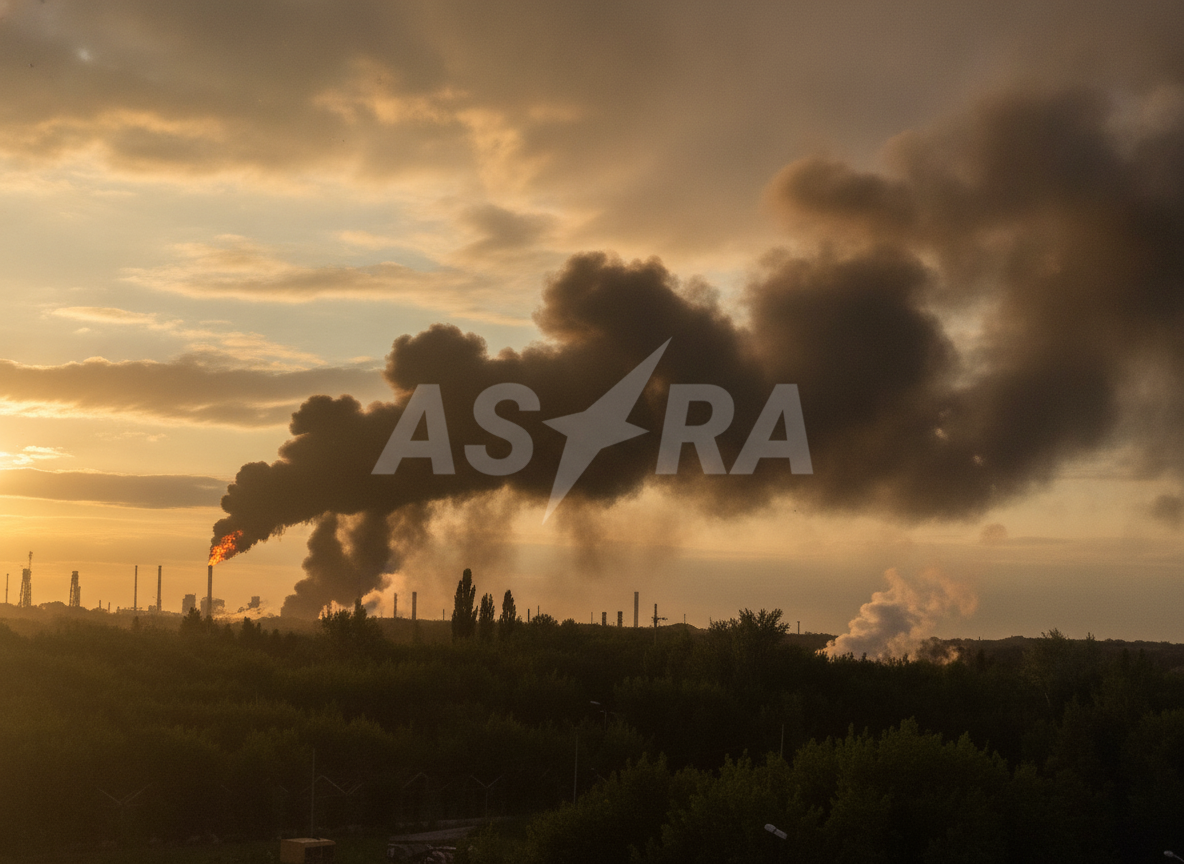
According to TSN.ua: The military campaign waged by the United States and Israel against Iran has now passed the one-month mark, during which Brent crude prices surged above $116 a barrel. For context, the all-time high for this benchmark stood at $147 in 2008. On February 28, Ayatollah Ali Khamenei was killed in a targeted operation, marking a pivotal moment in the conflict. In the aftermath, Mojtaba Khamenei assumed the role of Iran’s new supreme leader.
The operation against Iran is projected to last between four and six weeks, indicating that active combat will continue for some time. Meanwhile, the financial cost of the war is climbing, and President Donald Trump’s approval rating has fallen to 33%. This decline reflects growing public discontent, likely fueled by rising gasoline prices in the United States, which have now exceeded $4 per gallon.
Trump stated that Tehran has accepted most of the 15 points in the American peace proposal, commenting that the current Iranian regime is “acting much more wisely.”
Historical parallels and broader implications
Historically, U.S. military engagements have often seen costs rise while public support wanes. During the Vietnam War, for instance, expenditures ballooned between 1965 and 1973, with over 2.7 million American soldiers deployed and more than 58,000 killed. The policy of “Vietnamization” began in 1969, while the withdrawal from Afghanistan was completed in August 2021 after bombing started in 2001. The invasion of Iraq began in 2003, underscoring a complex legacy of U.S. military action over recent decades.
Tensions in and around Iran remain high, especially given the leadership change and the potential for peace talks. The rising oil prices driven by the conflict could impact the U.S. economy and global energy markets. At the same time, President Trump’s falling approval rating suggests that the American public is beginning to feel the effects of the military campaign, which may influence future U.S. policy decisions and strategies toward Iran.
Read also
- Congress restricts Trump's war powers after U.S. airstrikes on Iran
- Trump Announces Iran Regime Change: What We Know About the US Military Operation
- Trump Threatens Seizure of Iran's Kharg Island, Sets April 6 Deadline
- U.S. Wraps Up Iran Operation: Over 10,000 Strikes in a Month and Leader Killed
- Putin’s Grip Weakens: Approval Ratings Crash, Allies Fade, and the Army Bogs Down in Ukraine
- Trump Claims Iran Offered Him the Role of Supreme Leader