Egg Prices Drop to 60 UAH, But a 2026 Surge is Forecast.

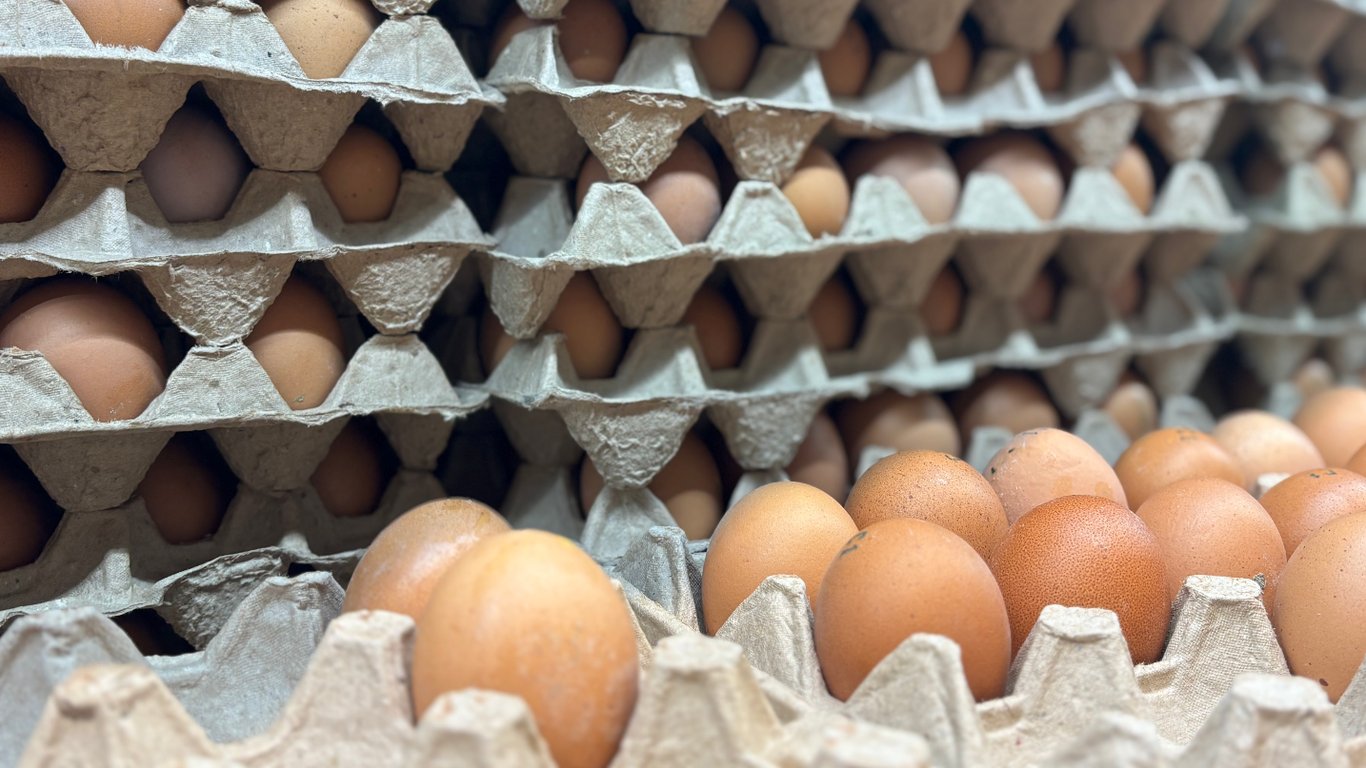
Egg Prices Drop to 60 UAH, But a 2026 Surge is Forecast
According to Novyny.live: After significant increases throughout 2025, the cost of food staples like chicken eggs has finally seen a decline. As of January 15, 2026, prices have fallen, but analysts warn this relief will be short-lived, with a new wave of inflation expected later in the year driven by soaring electricity costs. The current average price for a pack of C1 category eggs is 80.83-83.95 UAH.
This price volatility is a key concern for household budgets in Ukraine. The lowest prices found in major Ukrainian supermarkets as of January 15, 2026, are as follows:
- MegaMarket – 60.70 UAH
- Silpo – 65.91 UAH
- Varus – 67.90 UAH
- ATB – 68.90 UAH
- Novus – 68.99 UAH
- Fora – 74.90 UAH
- Ashan – 75.90 UAH
- Metro – 81 UAH
Broader economic indicators support the forecast for rising costs. The Consumer Price Index for January 2026 reached 100.78%, indicating a 0.78% increase from the previous month. In December 2025, the CPI showed an even sharper monthly rise of 4.26% compared to November.
“Seasonality, feed costs, and logistics remain the key drivers for the egg market. In 2026, given the substantial increase in electricity expenses, we can add no less than 15% to the current supermarket price.”
Volodymyr Chyzh, industry expert
Further pressure is expected from a projected 10-15% rise in the average price of wheat flour in Ukraine during 2026, which will likely increase overall production costs and, consequently, egg prices.
Therefore, while a temporary price drop is now being observed, the outlook for 2026 points to a likely resurgence in costs, fueled by significant energy expenses and other economic factors.
The January 2026 price reduction resulted from seasonal market fluctuations and stabilization following the sharp spikes of 2025. However, experts caution that future increases are probable, driven by rising electricity and poultry feed costs. This underscores the importance of monitoring food prices in an economy facing instability and fluctuating production expenses.
Read also
- Russia’s Oil and Gas Revenue Set to Surge by 60%—Here’s What’s Driving the Jump
- IMF Disburses $690 Million Second Tranche to Ukraine: Where the Funds Are Going
- Russia’s Budget Deficit Could Hit 7 Trillion Rubles—What Are the Default Risks?
- Expert Sets Critical Threshold: 60% of Russia's Oil Refining Capacity Must Be Destroyed
- Russia Faces Imminent Fuel Crisis: Why Refinery Recovery Is Nearly Impossible, Expert Warns
- Economist identifies Russia's point of no return: why it can never reclaim its place among global economic leaders