Experts Explain Why a Flash Drive Won’t Work in a Charger.

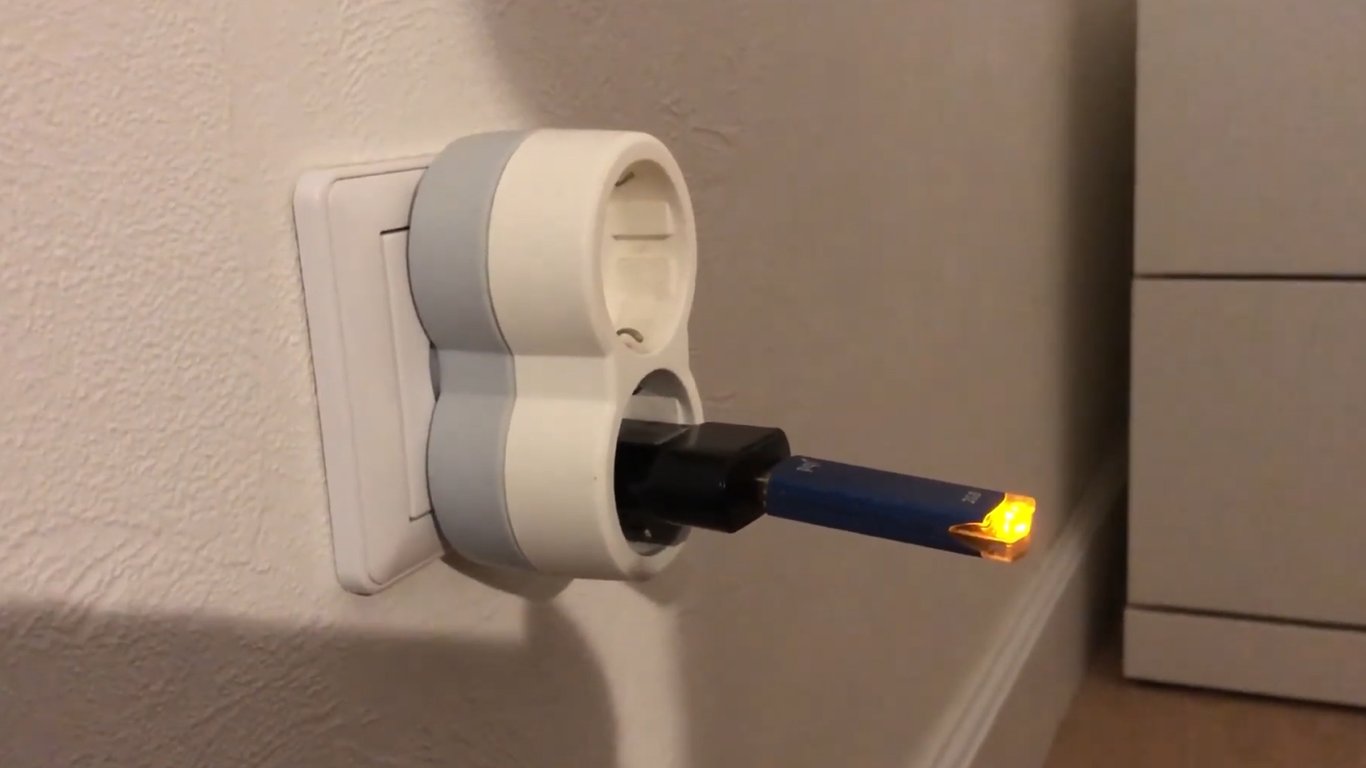
What Happens When You Plug a USB Flash Drive into a Charger
According to Novyny.live: Although a USB flash drive can physically fit into a charger’s port, no actual communication occurs between the two devices. The drive receives no data exchange signals, which is why attempting to use it as storage while connected to a charging brick yields no results.
When plugged in, the flash drive does draw a basic 5-volt power supply. However, to function and transfer data, it requires a host device—such as a computer or laptop—that sends the necessary commands. Without a host, the drive remains idle, highlighting a key limitation in this setup.
Technical Details and Practical Limits
From a technical standpoint, if both the charger and the flash drive are in good working order, connecting them poses no safety risk. The drive receives power but cannot perform its primary role without proper host interaction. It is worth noting that USB ports on devices like TVs can serve different purposes—powering accessories, recording broadcasts, or updating firmware—but this does not change the fact that a charger alone cannot enable data transfer with a flash drive.
This information underscores the importance of understanding how USB devices interact with one another. While flash drives remain popular for storing data, their use with chargers is inherently limited. For effective operation, always connect a flash drive to a device capable of managing data exchange, such as a computer or laptop.
Read also
- CATL unveils electric truck battery that charges in just 7 minutes
- Chinese Robot Claims Second Consecutive World Title in Humanoid Football Championship
- Samsung Launches Mass Production of PCIe 6.0 SSDs with Read Speeds Reaching 28.4 GB/s
- Smart Glasses Camera Disabled When Indicator Is Damaged: Meta’s New Privacy Update Explained
- NVIDIA Confirms Rigel Core for Rosa Processors: What to Expect from the Upcoming Lineup
- Intel’s 14A2 Process with Dual-Side Power Delivery: How It Could Reshape the Chip Market