Not All USB-C Cables Deliver Fast Charging: Key Factors to Consider.

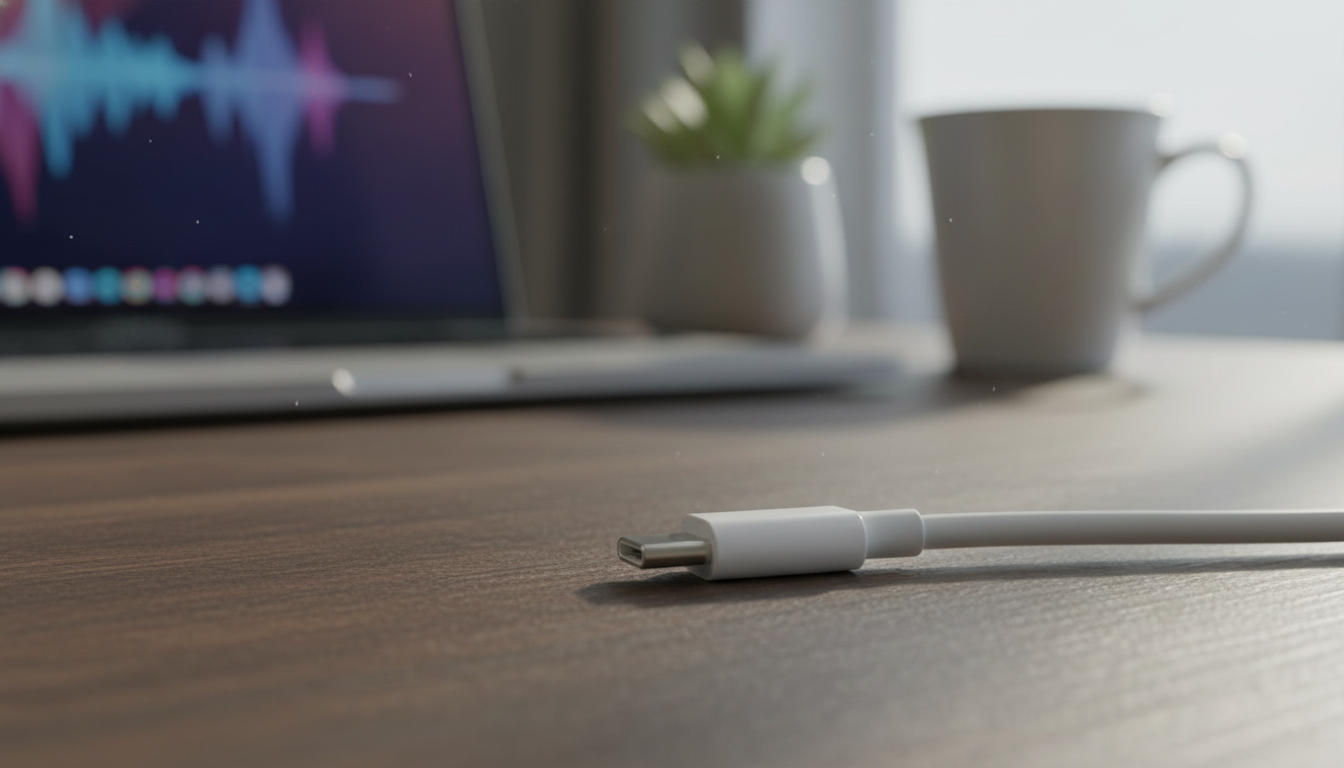
USB-C: The Universal Connector for Rapid Charging
According to Novyny.live: USB-C has become the standard port for smartphones, tablets, and laptops, highlighting its critical role in enabling fast device charging. However, not every USB-C cable can deliver the required charging speed. To avoid charging issues, it's essential to examine cable specifications, particularly power capacity and certification.
Why USB-C Cable Specifications Matter
Why don't all USB-C cables charge quickly? The primary reason is that USB-A to USB-C cables often fail to support modern fast-charging protocols. This means that even with a USB-C connector, charging may not occur at maximum speed. Therefore, when selecting a cable, focus on its specifications and compatibility with high-speed standards.
Why is cable power rating important? A single cable can handle between 60 and 100 watts, which is crucial for fast charging. For a smartphone, a power reserve of at least 60W is recommended, while a laptop optimally requires 100W or more. This not only speeds up charging but also helps prevent potential device performance issues.
In short, the importance of USB-C cable specifications for fast charging cannot be overstated. Consumers should carefully verify cable power ratings and certifications to ensure efficient and safe device charging.
Given the growing reliance on mobile technology, choosing the right USB-C cable has become a key consideration for users aiming to maximize device performance. As the market constantly evolves, consumers should stay cautious and pay attention to new standards and manufacturer recommendations to avoid charging problems and ensure the longevity of their gadgets.
Read also
- Turn Your Old Phone Into a Smart Display: Inside the New ScreenWall Web Platform
- Speed Record Set by Bombardier Global 8000: Los Angeles to Farnborough in Just 8 Hours 46 Minutes
- A New Augmented Reality Platform Lets You Read and Build 3D Comics
- How Artificial Intelligence Is Unlocking Billions in Real Estate Value
- Ukraine’s Air Defense Gets a Boost: New 'Hot Dog' Drone Takes Down Over 300 Targets
- Windows That Generate Power Even at Night: A New Solar Innovation