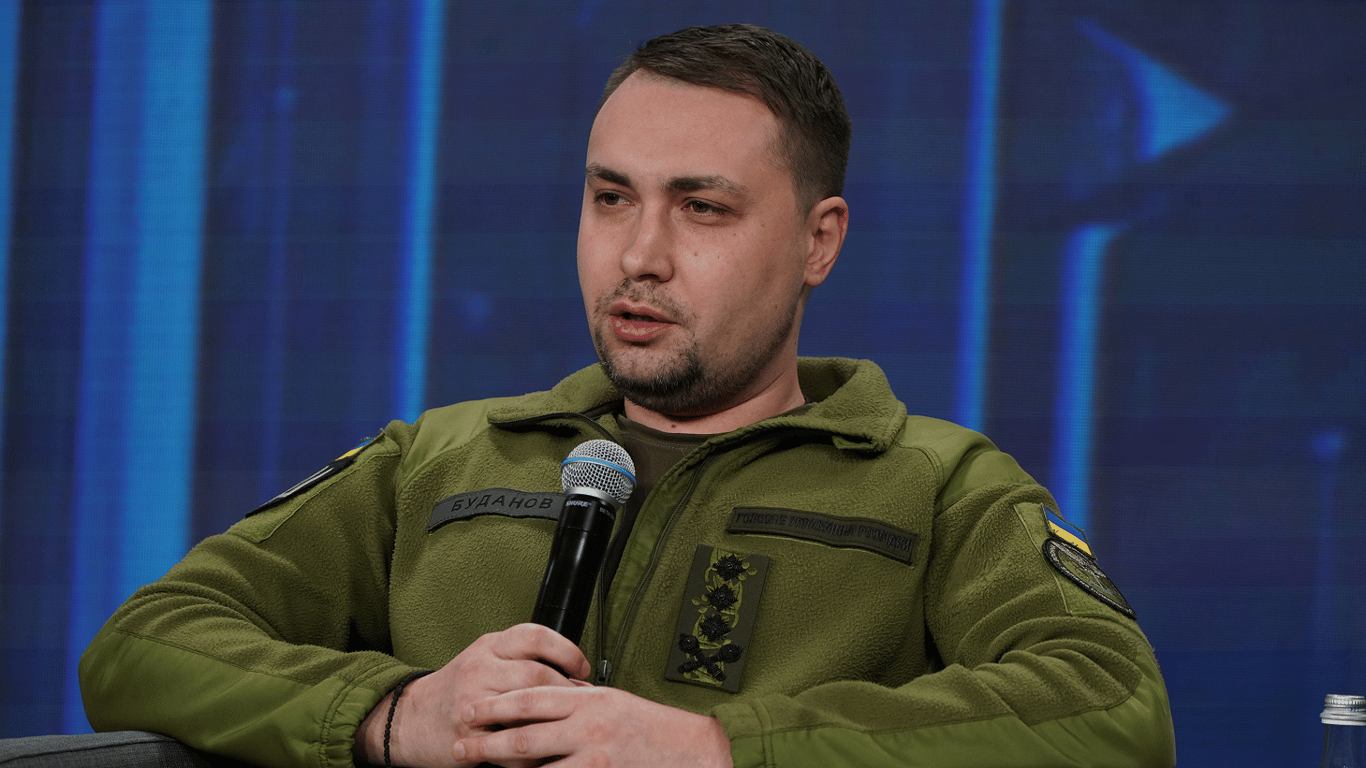
Budanov named the reason for problems with mobilization: a failure in information policy.

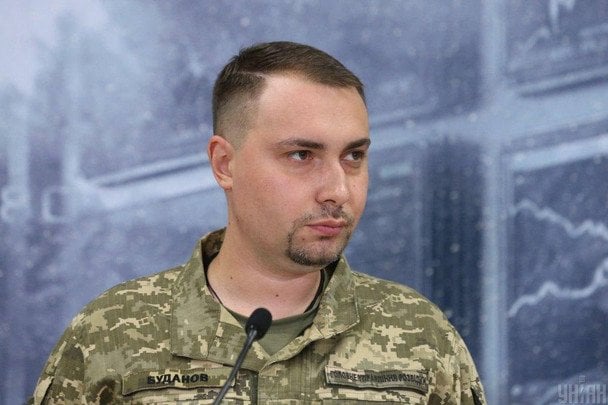
According to ТСН: The head of the Main Directorate of Intelligence of the Ministry of Defense Kyrylo Budanov emphasized that the problems with mobilization in Ukraine are largely caused by unsuccessful information strategies.
“We started to lose the information space”
Budanov noted that the information failure negatively affected the mobilization process, which, in turn, led to a number of other difficulties.
“My answer was generally about the information space, which we at one point started to lose. Which clearly affected mobilization issues, and the mobilization issue brought along other issues,” Budanov noted.
Why it works in Russia
The chief intelligence officer cited the example of the Russian side. Despite significant losses, their war coverage methods allow them to fully meet their contractor recruitment plans. The key to this is strict censorship and the creation of an appealing "picture".
“Turn on and watch their various channels... You won't see any cripples, you won't see people saying that it's hard. There’s none of that. Only brave soldiers who are winning, moving forward, who are in clean uniforms,” Budanov explained.
He also added that even stories about rescue in Russian media are presented as heroic deeds or "a divine miracle" after accomplishing a task, rather than as a flight from death.
The reality of Ukrainian media
Unlike Russia, Ukraine's media landscape is overflowing with stories about conflicts with military recruitment offices.
“We can only state that our airwaves are filled, so to speak, with horrifying stories about how the TCC is forcibly dragging someone in, how someone there... beats TCC employees. This is definitely not in favor of mobilization,” Budanov stressed.
In response to a journalist’s comment that Ukraine, as a democratic country, cannot use totalitarian propaganda methods, Budanov noted that society needs to find the strength to accept reality and take responsibility for it.
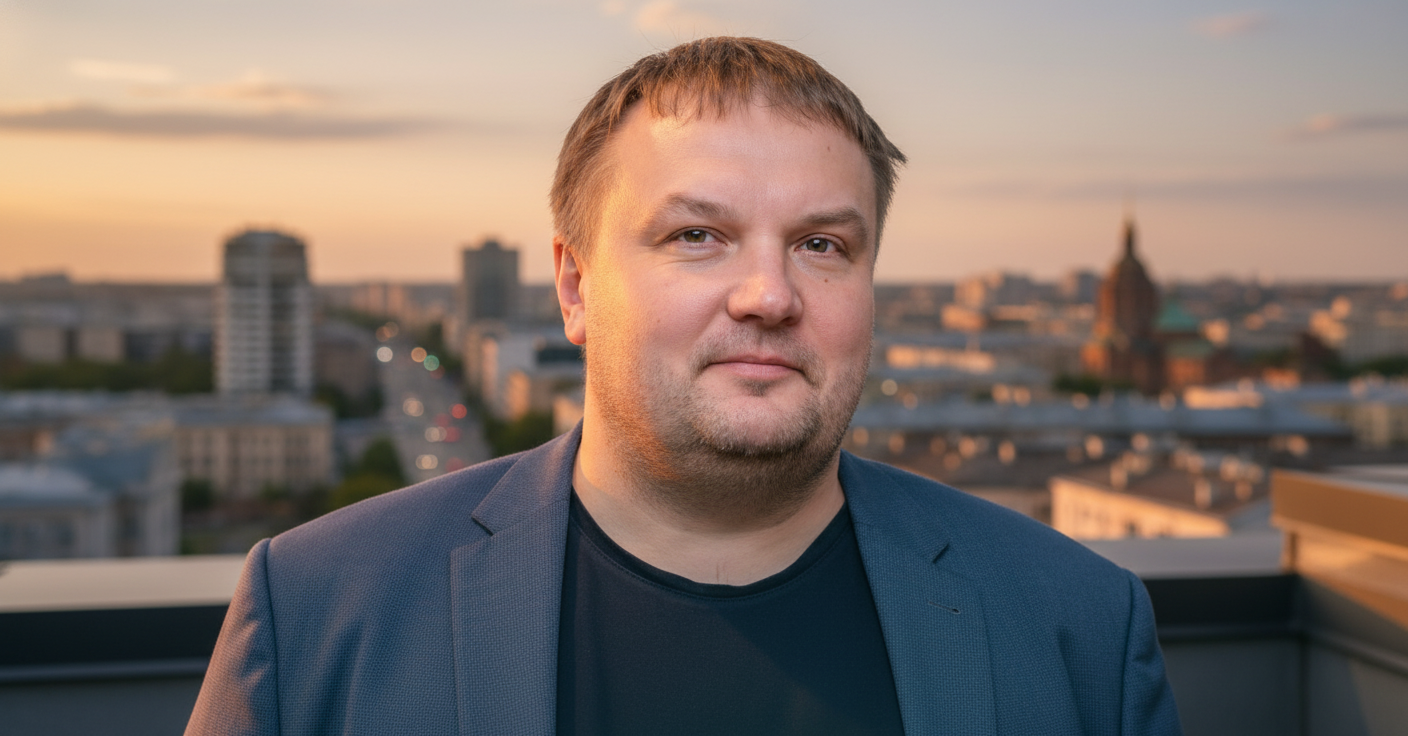
Moreover, it is worth noting that videos of conflicts during mobilization account for only 5% of the total number of events, claims Venislavskyi, emphasizing that violation issues are not widespread, but still exist.
Thus, the situation with mobilization in Ukraine requires serious reassessment of information strategies to rectify the negative impact that information dissemination has. In the context of war and the challenges facing the country, it is important to find effective communication mechanisms to support mobilization and the necessary efforts for defense.
Read also
- Europe Urged to Shoulder Ukraine Support as Trump Shifts Responsibility: Expert Analysis
- America’s Role in Backing a Putin-Zelensky Meeting: Trump Weighs In
- Putin Acknowledges Zelenskyy's Legitimacy for the First Time: How Drones and a Letter Shifted Russian Sentiment
- Cabinet Dismisses Deputy Defense Minister Ivan Havryliuk: Key Details
- Budanov Transforms the Presidential Office into a Governance Engine: What’s Set to Change
- Kremlin Acknowledges Receipt of Zelensky’s Letter to Putin