Why drivers feel nauseous in electric cars and what to do about it.
08.07.2025
5436

Journalist
Shostal Oleksandr
08.07.2025
5436
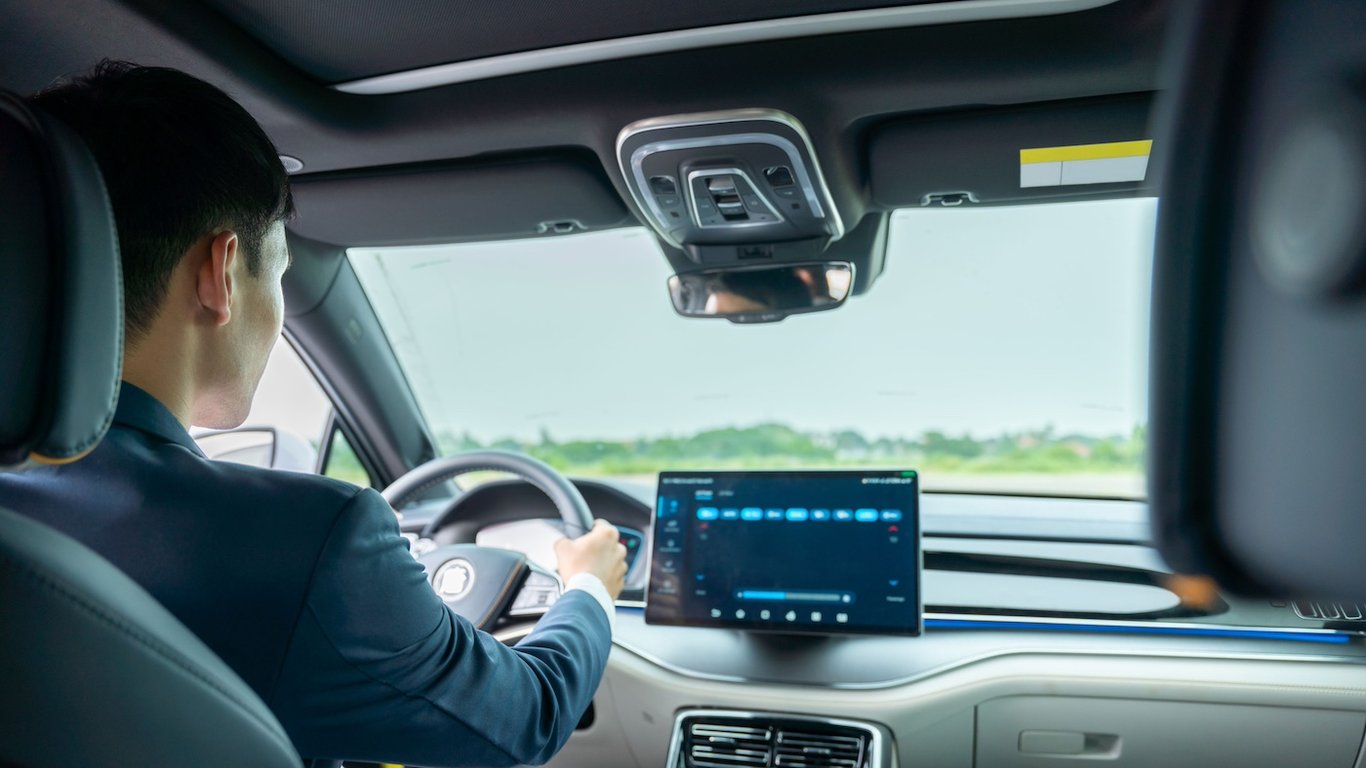
According to information from , drivers who usually do not feel nauseous during trips in internal combustion engine vehicles can experience motion sickness while driving an electric car.
Scientists from Nagoya University in Japan believe that the problem lies in regenerative braking, which creates low-frequency vibrations and irregular delays. The brain cannot process them correctly, leading to feelings of nausea.
How to help the driver
Scientists recommend producing a sound at a frequency of 100 Hz for one minute to reduce nausea during electric car trips. This sound stimulates the organs responsible for detecting acceleration and gravitational forces. The effect becomes noticeable over a long period and improves the driver's balance.
Currently, scientists are collaborating with Denso to integrate this method into modern infotainment systems of electric vehicles.
Some drivers may experience nausea when driving an electric vehicle due to low-frequency vibrations created by regenerative braking. Japanese scientists have proposed a method involving sound reproduction to alleviate this unpleasant sensation and improve the driver’s balance.Read also
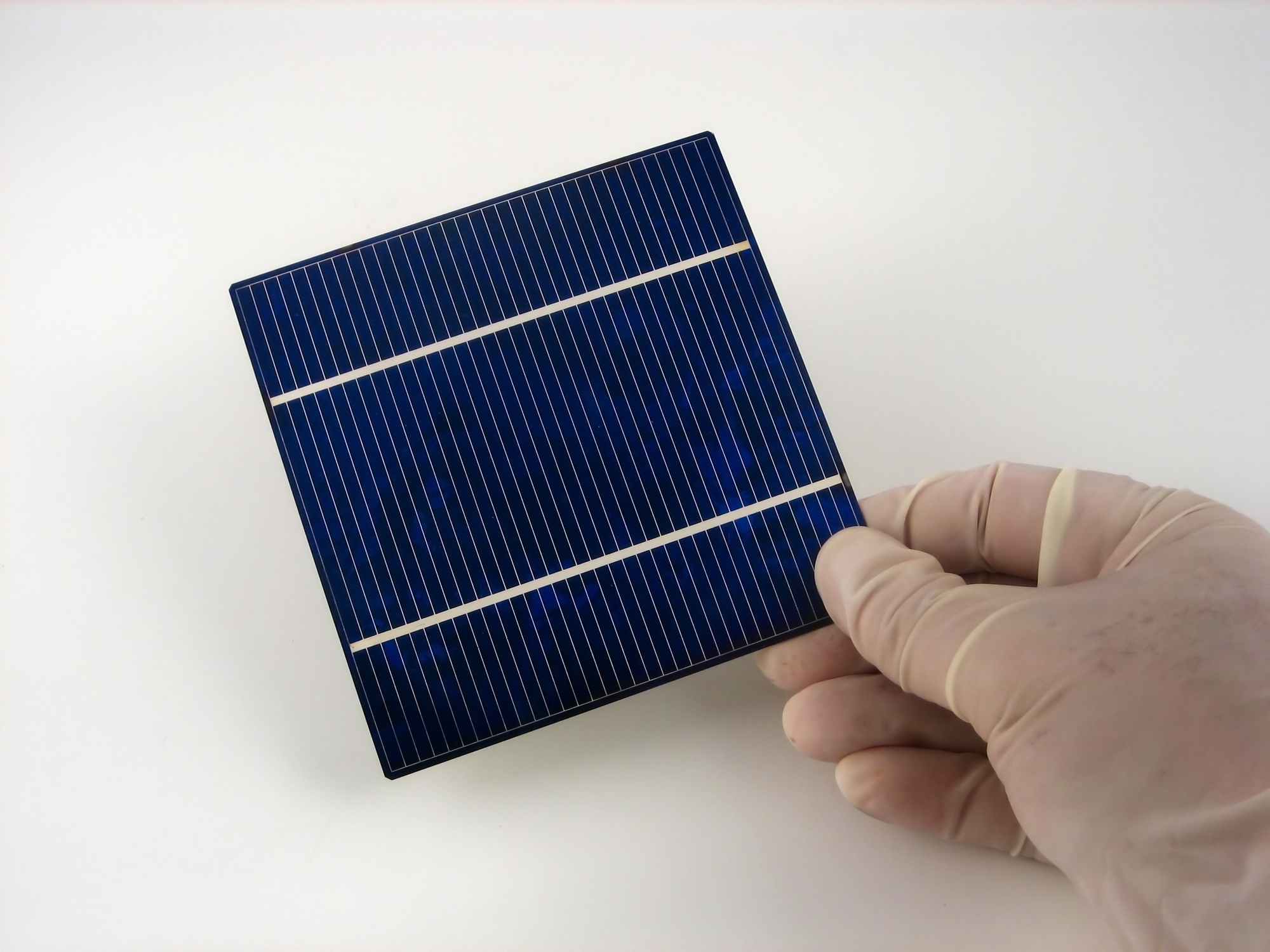
- Antique Musket Balls Repurposed Into Solar Cells with 94% Efficiency
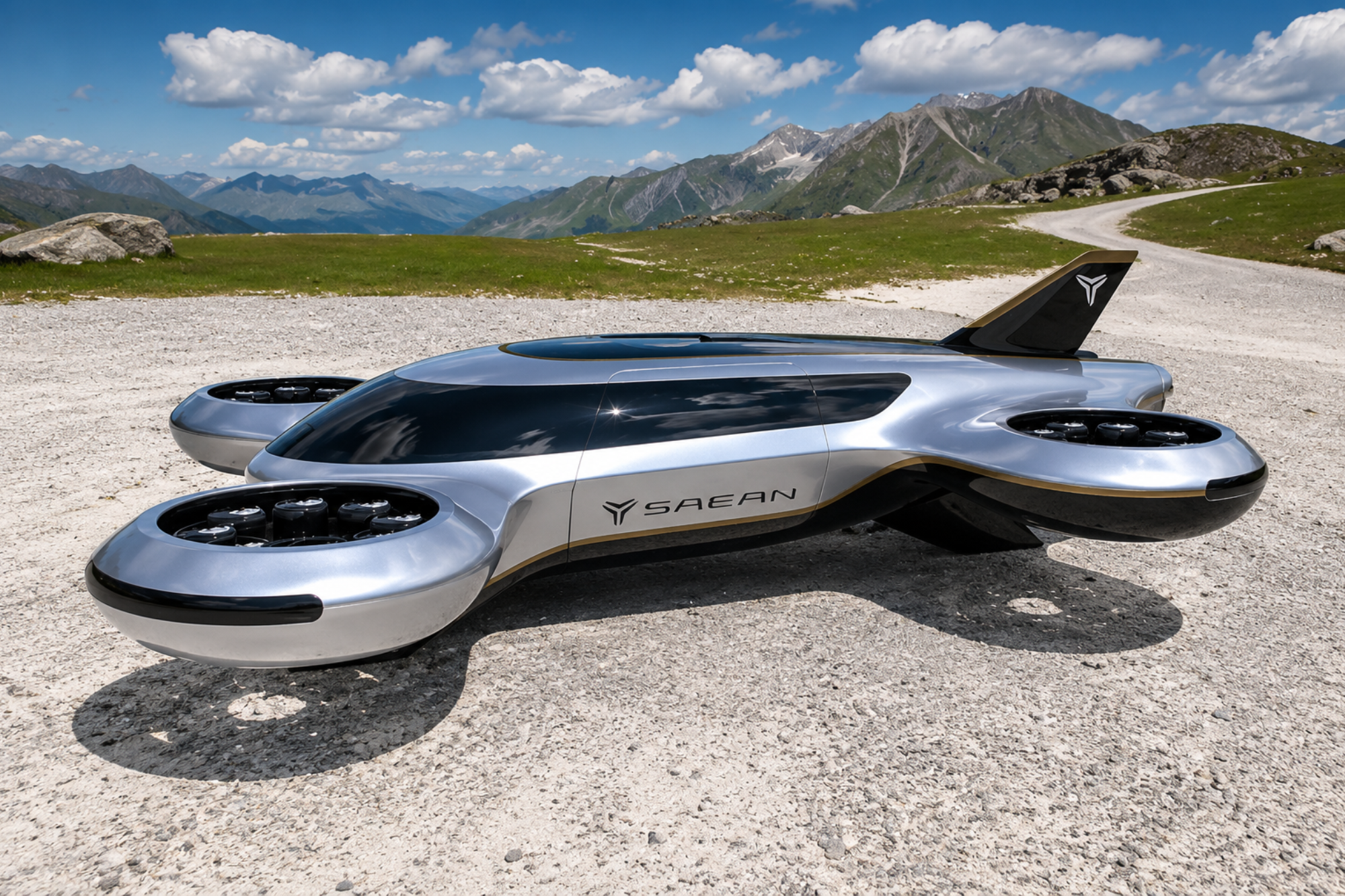
- South Korea Patents a Silent Engine for Air Taxis
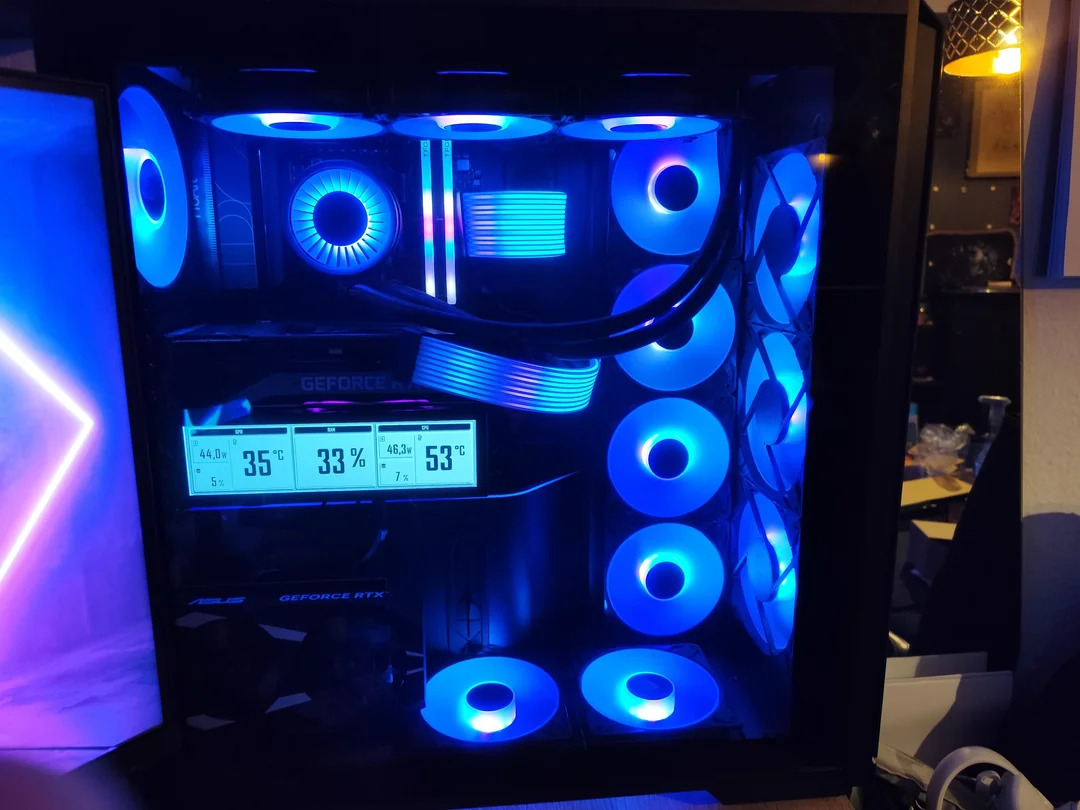
- 144 FPS at 4K: A Gamer Pairs an RTX 3090 and RTX 3050 for Stunning Performance
- Snapdragon 8 Elite Gen 5: Qualcomm’s New Chip Targets Sub-$600 Smartphones
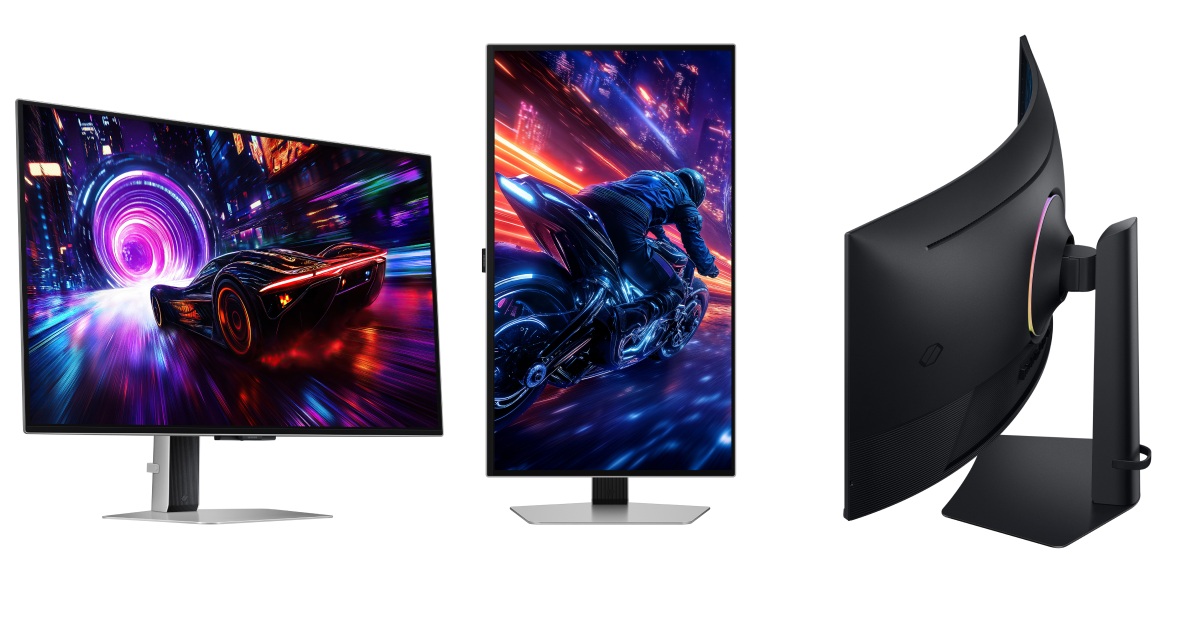
- Samsung Unveils Three New Odyssey Gaming Monitors: Specs and Features Revealed
- Plastic Waste Converted into Jet Fuel: New Breakthrough by Chinese Researchers